 Skip to content
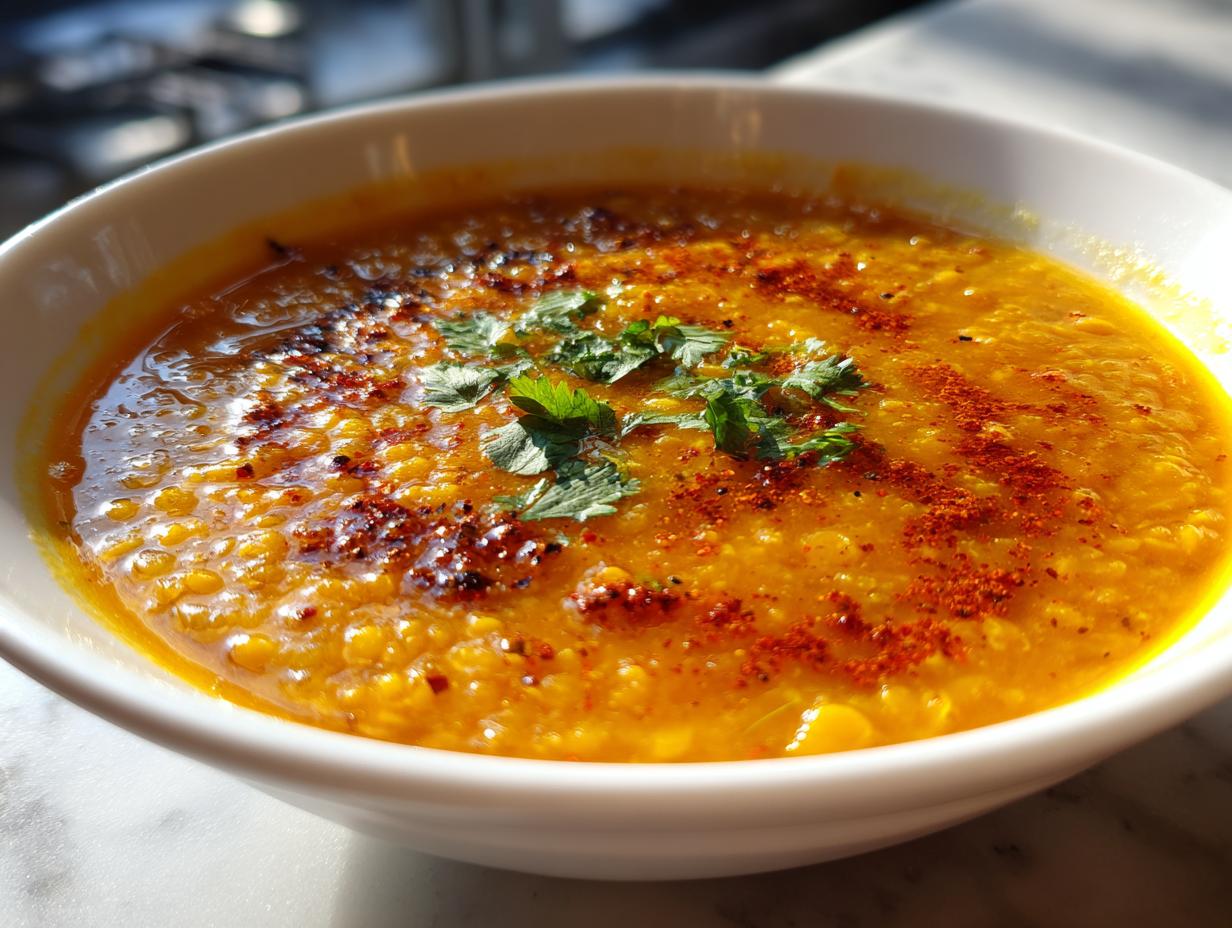

When life gets hectic and you need something deeply comforting, fast, that ticks every healthy box, forget the frozen stuff! I’m talking about real, soulful food that tastes like you spent hours tending the stove, even when you only have thirty minutes. That’s where this incredible Masoor Dhal comes in. This simple red lentil soup is my go-to dhal recipe because it cooks lightning fast. As someone who juggles a busy schedule, I learned that traditional recipes need a little modern tweaking to fit our lives, and this recipe proves you don’t sacrifice flavor for speed. It’s authentic, vibrant, and perfect for beginners!

- Why This Masoor Dhal Recipe is Your New Weeknight Staple
- Ingredients You Need for Perfect Masoor Dhal
- How to Make Dhal at Home: Step-by-Step Instructions
- Tadka Dal Secrets: Achieving the Best Flavor
- Tips for Success When Cooking Your Dhal
- Serving Suggestions for Your Simple Dal Tadka
- Storage and Reheating Instructions for Leftover Dhal
- Frequently Asked Questions About Cooking Dhal
- Nutritional Estimate for This Dhal
Why This Masoor Dhal Recipe is Your New Weeknight Staple
I know you’re busy, so let’s talk about why this specific format of dhal shows up on my table at least twice a month. It’s all about efficiency meeting tradition. I’ve worked hard to shave minutes off without skipping the parts that make it taste amazing!
-
Quick Prep for an Easy Dhal Recipe
The best part? Masoor dal—those gorgeous red lentils—don’t need soaking! You literally rinse and cook. Since the total time clocks in under 35 minutes, this becomes the best easy dhal recipe you’ll ever find for a truly satisfying meal.
-
Authentic Indian Lentil Soup Flavor, Simplified
You get that glorious, complex aroma from just two steps: turmeric in the pot and the final, sizzling tadka. It tastes like something that simmered all day, but really, it’s just good technique! It delivers that true authentic Indian lentil soup experience.
-
Healthy Vegan Staple for Any Diet
This is such a powerhouse dish. It’s packed with protein and fiber, and it’s naturally dairy-free and meat-free. If you’re looking for a hearty healthy vegan lentil soup or expanding your repertoire of vegetarian staple recipes, this is your ticket.
Ingredients You Need for Perfect Masoor Dhal
Okay, let’s talk components! Knowing exactly what goes into your pot is half the battle, especially if you’re learning how to make dal at home for the first time. I’ve broken this down so you don’t get confused when you’re rushing on a Tuesday night. We have the simple base, which just needs to cook down beautifully, and then the star of the show—the tadka. Don’t skip the tadka! It’s where all the magic happens, but getting your ingredients prepped first keeps the momentum going right when you need it.
For the Masoor Dhal Base
This is straightforward, folks. The foundation of a great, creamy red lentil soup is just these four items. Make sure you grab exactly 1 cup of masoor dal (red lentils) because the ratio with the water is key for that perfect texture. You’ll need 4 cups of water to get it started. Then, we add 1/2 teaspoon of turmeric powder—that’s non-negotiable for color and earthy flavor—and salt, which we’ll add later, but get 1 teaspoon ready!
For the Flavorful Tadka (Tempering)
This is where we build the flavor layers! You’ll want 1 tablespoon of ghee or oil for frying these beauties. For the seeds, use 1 teaspoon of cumin seeds and 1/2 teaspoon of mustard seeds—wait for those guys to pop! Throw in 2 dried red chilies for a nice background heat. For the aromatics, finely chop 1 small onion, and mince about 1 teaspoon of ginger and 2 cloves of garlic. The secret finisher for that savory, restaurant-like punch? A tiny pinch—about 1/4 teaspoon—of asafoetida (hing). And please, whatever else you do, make sure you have 1/4 cup of fresh cilantro chopped up for garnishing right at the end. That bright, fresh finish really wakes up this dhal.
How to Make Dhal at Home: Step-by-Step Instructions
Ready to master this? If you’ve ever wondered how to make dal at home that tastes incredible, this section is for you. Trust me, learning this foundational recipe is key to unlocking so many other delicious Indian meals. This recipe is perfect for anyone nervous about spices; it’s truly a beginner dal tutorial waiting to happen!
Preparing and Cooking the Lentils for Dhal
First things first: Rinse your masoor dal really well! Run it under cold water until that cloudy film washes away and the water runs clear. The great news here, which saves so much time, is that red lentils (masoor) do not need soaking! Seriously, skip that step entirely. Combine the rinsed lentils, your 4 cups of water, and just the turmeric powder in your pot or pressure cooker. If you’re using a regular pot, bring it up to a boil, then drop it down to a low simmer, cover it slightly, and skim off any foamy bits that rise to the top—that’s my pro tip for a cleaner finish! Simmer for about 20 to 25 minutes until they’re soft.
Mastering the Tadka (Tempering)
While the lentils are softening, get your tadka ready. Heat your ghee or oil in a small pan over medium heat. Toss in the cumin and mustard seeds. You must wait until those mustard seeds start popping and dancing before you do anything else! Once they are popping, add your dried red chilies, the chopped onion, minced ginger, and garlic. Let those nicely soften until the onions are pale gold—watch carefully so they don’t burn! Finally, stir in the asafoetida (hing) for just 5 seconds, then immediately pour that entire sizzling mixture right over your cooked, soft dhal base. Stirring it in right away traps all that amazing flavor inside!

Tadka Dal Secrets: Achieving the Best Flavor
If you want your tadka dal secrets to shine, you have to respect the temper! This second cooking step is what separates a plain lentil soup from a truly amazing, vibrant dhal. My biggest piece of advice? Heat control is everything here. You want your oil or ghee nice and hot so the spices bloom instantly, but you absolutely cannot walk away once the spices go in.
When those cumin and mustard seeds start spitting—that’s your cue to get the onions in quickly! The heat needs to be high enough to brown them slightly, but if you burn the garlic or the asafoetida, the whole batch tastes bitter, and you have to start over. Trust me, I’ve ruined a vat of perfectly cooked lentils doing just that! Pour that finishing oil immediately over the soft dhal base and quickly cover the pot for just a minute. That traps all the essential aromas in the lentils before you stir. That little bit of captured steam is pure flavor!

Tips for Success When Cooking Your Dhal
Even though this is one of the easiest recipes to master, sometimes things change on the stovetop! Don’t worry if your initial batch of dhal isn’t exactly how you pictured it; we can fix almost anything. Knowing these quick adjustments makes such a difference, especially when you’re trying to get a consistent result every single time you cook it. This is how we build that authority in the kitchen, right?
Adjusting Consistency for Your Dhal
Masoor dal breaks down really fast, which is great, but sometimes it gets thicker than you planned, especially if your pot lid wasn’t quite tight. If you find your dhal has turned into a paste and isn’t soupy enough for the way you like it, just grab a kettle of hot water! I always keep some hot water handy. Stir in a splash at a time until you reach that perfect, soupy consistency that loves soaking up rice. Remember, it will thicken a little more as it cools down, so don’t overdo it!
Flavor Boosters for Richer Dhal
We kept this recipe super simple, but if you want to kick the flavor up just one more notch, try adding a little complexity right before you kill the heat. Right near the end of the 20-minute simmer, stir in about 1/2 teaspoon of garam masala. This spice blend adds warmth and depth that pairs wonderfully with the red lentils. It’s a fantastic way to make your simple dhal feel extra special without having to start a second tadka!
Serving Suggestions for Your Simple Dal Tadka
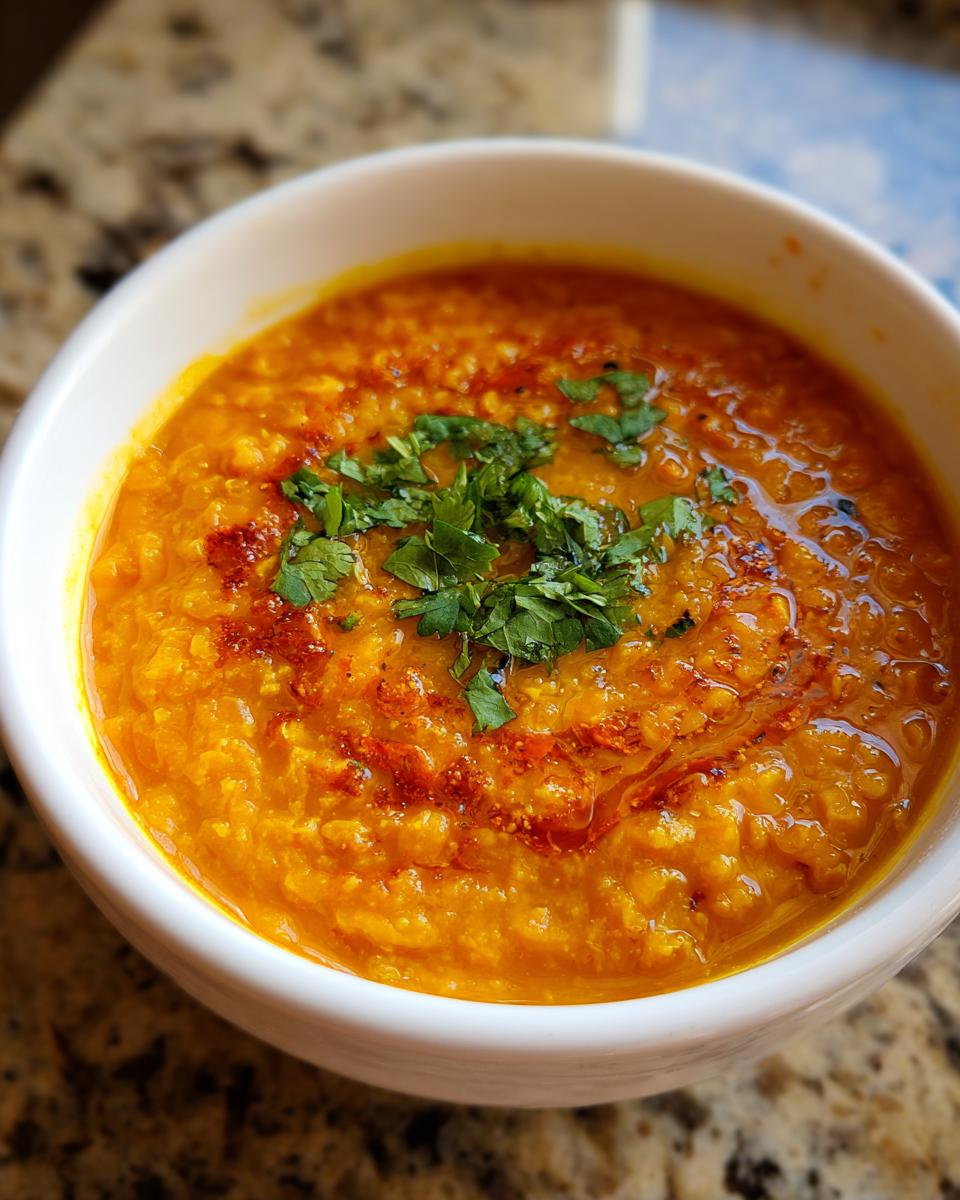
So, you’ve mastered the perfect little bowl of creamy, fragrant dhal! Now what? This is the best part, because this simple red lentil soup pairs with almost anything, but it really shines when it’s the star on a busy night. I love serving this for a quick dal for rice meal—just scoop that fluffy rice right into the bowl. If you’re looking for an easy side, my One-Pot Garlic Butter Turmeric Rice is the absolute best companion recipe, so check that out next! Turmeric Rice is always a winner.
Storage and Reheating Instructions for Leftover Dhal
Listen, this Masoor dhal is nearly always better the next day, even though it’s fantastic fresh! When you put it in the fridge, just know it’s going to grab onto every drop of moisture and thicken up substantially. That’s totally normal! Store your leftovers in an airtight container—I prefer glass ones—in the refrigerator for up to four days. Don’t worry about the firmness, though; we fix that easily when reheating.
To bring it back to life, I just reheat stovetop over medium-low heat. You must add a splash of water—maybe a tablespoon or two—per serving to loosen it back up to that perfect, velvety texture you love. If you’re in a real hurry, the microwave works too, just add the water and stir halfway through heating. This simple dhal keeps proving itself as a lifesaver for my side dishes rotation!
Frequently Asked Questions About Cooking Dhal
I get so many wonderful questions about my dhal recipes, especially as people start exploring how long to soak lentils in general. It’s completely normal to have questions when diving into Indian cooking basics for the first time! Here are a few things I hear all the time when people are starting out with their first beginner dal tutorial.
Do I need to soak masoor dal before cooking this dhal?
Absolutely not! That’s one of the big wins for using red lentils (masoor). Unlike thicker lentils like whole masoor or chickpeas, masoor dal cooks in about 20 minutes on the stovetop. Soaking them would actually cause them to turn into complete mush before you even add your tempering. Rinse them well, and that’s all the prep time you need!
Can I use oil instead of ghee for the tadka in this dhal recipe?
Yes, you totally can! Ghee adds a specific nutty, buttery richness that is traditional for a great simple dal tadka, but vegetable oil, coconut oil, or avocado oil work just fine. Please don’t skip the tadka step just because you’re out of ghee—that’s the flavor!
What if I don’t have asafoetida (hing) for my dhal?
Ah, hing! I love it because it brings such a savory depth that mimics onion and garlic flavors beautifully, especially in a quick healthy vegan lentil soup. If you don’t have it, don’t panic or run to the store. Just omit it. Your easy dhal recipe will still be delicious, thanks to all that fresh ginger and garlic. Just make sure you sauté the dry spices *before* adding the hing if you use it later!
Nutritional Estimate for This Dhal
Since this Masoor dhal is such a wonderful, healthy choice, I wanted to share what a typical serving size looks like nutritionally. I always say that cooking from scratch is the best way to control what goes into your body—no scary preservatives here! Remember, these numbers are just an estimate based on using the exact amounts listed in the recipe card, especially if you’re using a tablespoon of ghee for the tadka versus a full tablespoon of oil. Your actual numbers might shift a bit based on salt content or the specific brand of lentils you use.
This recipe really shows off how fantastic lentils are for a balanced diet. You get a solid punch of vegetarian protein and fiber in every bowl, which is why this is a core vegetarian staple recipe in my house. It’s incredibly low in cholesterol, being entirely plant-based, which is a huge bonus for heart health!

- Serving Size: 1 bowl
- Calories: 220
- Fat: 6g
- Saturated Fat: 1.5g
- Carbohydrates: 32g
- Protein: 14g
- Fiber: 10g
- Sugar: 2g
- Sodium: 450mg
- Cholesterol: 0mg
Isn’t that great? Fourteen grams of protein from lentils alone! This simple dhal really proves that quick weeknight Indian dinner options don’t have to mean compromising on nutrition. Enjoy every guilt-free spoonful!
PrintSimple Masoor Dhal (Red Lentil Soup) for Weeknights

Learn how to make authentic, comforting masoor dhal at home. This easy lentil soup recipe is a healthy vegan staple perfect for a quick weeknight Indian dinner.
- Prep Time: 5 min
- Cook Time: 30 min
- Total Time: 35 min
- Yield: 4 servings 1x
- Category: Main Dish
- Method: Stovetop Cooking
- Cuisine: Indian
- Diet: Vegan
Ingredients
- 1 cup masoor dal (red lentils)
- 4 cups water
- 1/2 teaspoon turmeric powder
- 1 teaspoon salt (or to taste)
- 1 tablespoon ghee or oil (for tadka)
- 1 teaspoon cumin seeds (for tadka)
- 1/2 teaspoon mustard seeds (for tadka)
- 2 dried red chilies (for tadka)
- 1 small onion, finely chopped (for tadka)
- 1 teaspoon ginger, minced (for tadka)
- 2 cloves garlic, minced (for tadka)
- 1/4 teaspoon asafoetida (hing) (for tadka)
- 1/4 cup fresh cilantro, chopped (for garnish)
Instructions
- Rinse the masoor dal under cold running water until the water runs clear. You do not need to soak masoor dal.
- Combine the rinsed dal, water, and turmeric powder in a medium pot or pressure cooker.
- If using a pot, bring the mixture to a boil, then reduce heat to low, cover partially, and simmer for 20 to 25 minutes, skimming off any foam that rises to the top.
- If using a pressure cooker, cook for 2 to 3 whistles, then let the pressure release naturally.
- Once the lentils are soft and fully broken down, stir in the salt. If the dhal is too thick, add a little hot water to reach your desired consistency. Keep warm.
- Prepare the tadka (tempering): Heat the ghee or oil in a small pan over medium heat.
- Add the cumin seeds and mustard seeds. Wait until the mustard seeds start to splutter.
- Add the dried red chilies, chopped onion, minced ginger, and minced garlic. Sauté until the onions turn light golden brown.
- Stir in the asafoetida and cook for 5 seconds more. Do not burn the spices.
- Pour the hot tadka mixture immediately over the cooked dhal. Stir gently to combine.
- Garnish with fresh cilantro before serving hot with rice or roti.
Notes
- For a richer flavor, you can add 1/2 teaspoon of garam masala during the last five minutes of simmering the lentils.
- If you prefer a spicier dhal, add one finely chopped green chili along with the onions in the tadka step.
- This simple dal tadka recipe is excellent for beginners learning how to make dal at home.
Nutrition
- Serving Size: 1 bowl
- Calories: 220
- Sugar: 2
- Sodium: 450
- Fat: 6
- Saturated Fat: 1.5
- Unsaturated Fat: 4.5
- Trans Fat: 0
- Carbohydrates: 32
- Fiber: 10
- Protein: 14
- Cholesterol: 0