 Skip to content
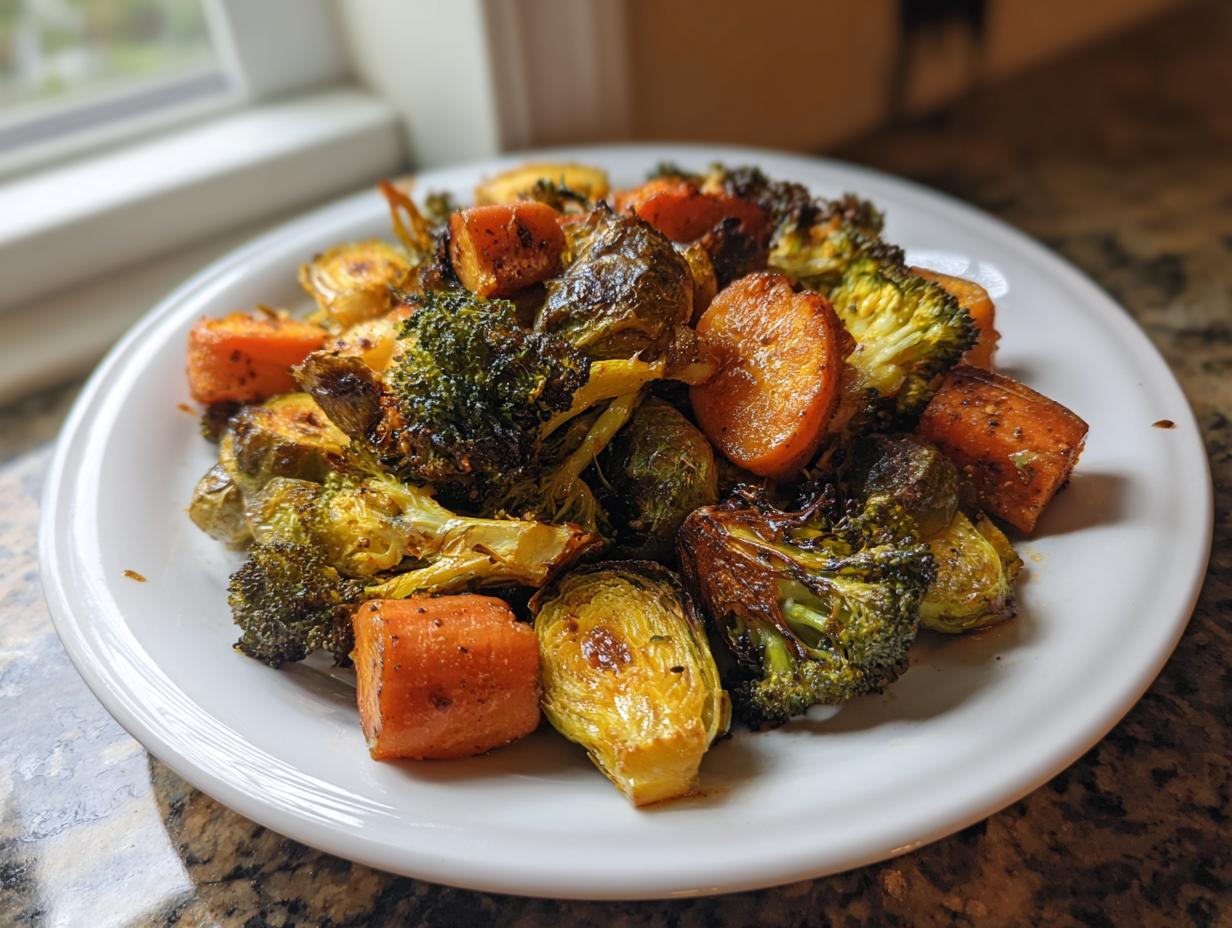

Are you tired of pulling beautiful vegetables out of the oven only to find they look steamed, pale, and totally mushy? Oh, I’ve been there a million times! In my marketing days, when I needed a healthy side dish fast, it felt like a vegetable tragedy every Tuesday. But trust me, it doesn’t have to be that way. This isn’t just another recipe; this is the technique guide I developed to master perfectly **roasted vegetables**—tender on the inside, but bursting with those gorgeous, crispy, caramelized edges. My goal here at Carla’s Cooking is to take that stress away and bring soulful, simple food back to your everyday table, and this method is proof that you can do it!

- Why This is Your Definitive Guide to Roasted Vegetables
- Essential Ingredients for Flavorful Roasted Vegetables
- The Technique: How to Roast Vegetables Perfectly
- Mastering Flavor: Best Roasted Vegetable Seasonings and Variations
- Tips for Achieving Crispy Roasted Vegetables Every Time
- Making Roasted Vegetables: Quick Weeknight Vegetable Sides
- Serving Suggestions for Your Roasted Vegetables
- Storage and Reheating Instructions for Roasted Vegetables
- Frequently Asked Questions About Roasted Vegetables
Why This is Your Definitive Guide to Roasted Vegetables
I get it—you’ve tried roasting before, and you ended up with sad, soggy piles that nobody wanted to eat. That stops right here! This guide is engineered to solve those exact problems that keep people from making **roasted vegetables** regularly. We’re focusing on getting that tender center and that beautiful, slightly browned crispiness every single time.
What you’re going to love about this method is how it brings back the joy in simple cooking:
- We banish the mushy texture for good—seriously!
- You get deep, natural caramelization that tastes amazing.
- It’s fast enough to be your go-to **easy vegetable side dish** for busy weeknights.
If you’re ready to serve truly flavorful side dishes for dinner that wow everyone, look no further. You can see all my best side dish recipes right here: my favorite dinner helpers.
Essential Ingredients for Flavorful Roasted Vegetables
Okay, let’s talk about what goes into this gorgeous medley! It’s super straightforward, which is why I love making this on a hectic Tuesday night when I’m running on fumes after work. The magic is in the simplicity and making sure we choose ingredients that can handle high heat. Remember, we’re aiming for those incredible **roasted vegetables** that taste like they cooked all day, even though they are done in under 30 minutes.
Here’s what you’ll need for a hearty side that feeds about four people:
- 2 lbs mixed seasonal vegetables (I always go for a good mix of hard and soft—broccoli, carrots, bell peppers, and zucchini are my champions right now).
- 3 tablespoons olive oil (This is where I never skimp—use a good quality extra virgin olive oil; it really helps create that amazing texture and keeps things from sticking).
- 1 teaspoon kosher salt (Don’t use table salt here; kosher salt is easier to sprinkle evenly!).
- 1/2 teaspoon black pepper
- 1 teaspoon garlic powder
- 1/2 teaspoon dried Italian herbs
That’s it! See? No fancy trips to the specialty store required. The high heat of the oven, combined with good quality oil, is going to bring the best out of these humble ingredients. You don’t need much else when the technique is right!
The Technique: How to Roast Vegetables Perfectly
This is where the magic happens, friends! Forget everything you thought you knew about roasted vegetables being hit-or-miss. If you follow these steps—especially the drying part—you will learn exactly how to roast vegetables perfectly every single time. We need high heat and we need space for air to get around every piece. That’s the secret to getting those deep brown edges instead of sad, watery piles. It’s all about technique, much like how we wrestle those sweet potatoes into submission for my crispy potato side dish.
Preheating and Pan Preparation for Crispy Roasted Vegetables
First things first: turn your oven up! We are roasting at 425 degrees Fahrenheit. You want that heat blasting. Also, please use the middle rack. Second, and this is huge for crispy roasted vegetables tips, never, ever overcrowd your baking sheet. Crowding means the vegetables sit next to each other and steam, turning them soft. If your veggies are piled up, split them onto two pans. They need room to breathe and brown!
Uniform Cutting and Drying: Secrets to Perfect Roasted Vegetables
I learned this from my Grandma years ago: different veggies cook at different speeds. So, you need to cut things like carrots or potatoes smaller than softer things like zucchini or bell peppers. This gives us uniform doneness. But the most critical step for perfect roasted vegetables? You have to dry them!
Seriously, after you rinse them, take the time to pat them down with paper towels until they feel almost dry to the touch. If there’s surface water, it turns to steam the second it hits the hot pan, and steam sabotages crispy edges. This little bit of effort is non-negotiable if you want true caramelization.
Coating, Seasoning, and The Roasting Process
Once they are dry, drizzle them with that good olive oil and use your hands—yes, your hands—to coat every last piece. Then toss on your salt, pepper, and herbs. Spread them all out in a single layer again—don’t let them touch! Pop them in the 425°F oven for 20 to 25 minutes total. Set a timer for 12 minutes, pull the pan out, give everything a good toss, and put them back in. That toss distributes the crispiness. This interval is key to delivering a brilliant caramelized vegetables tutorial result!

Mastering Flavor: Best Roasted Vegetable Seasonings and Variations
Honestly, once you nail the technique—high heat, dry veggies, space on the pan—you can make anything taste amazing! But the seasonings are where we really get to play. Everyone asks me about the **best roasted vegetable seasonings**, and while the base mix I gave you is fantastic for a reliable, flavorful side dish, we can certainly level up! I often make these roasted vegetables when I’m serving up something rich, like my popular garlic butter chicken bites, which you can find here, so having a balanced side is crucial.
I think the key is understanding when to add certain aromatics. If you use fresh garlic, for example, you can’t just toss it in at the start like garlic powder, or you’ll end up with bitter charcoal flavor. My rule is, if you want that wonderful **garlic roasted vegetables recipe** taste, add the minced fresh stuff in the last five minutes of cooking. Trust me on this—it’s that expert touch that makes the difference!
Simple Vegetable Medley Base Seasoning
For our go-to **simple vegetable medley** that goes with everything from chicken to fish, we stick to the basics: salt, pepper, garlic powder, and Italian herbs. The garlic powder is great because it toasts beautifully without burning during that initial 20-minute roast time. That simple mix provides depth, and because the vegetables are perfectly roasted, they taste naturally sweet and complex anyway!
Flavor Boost: Maple Dijon Glaze for Roasted Vegetables
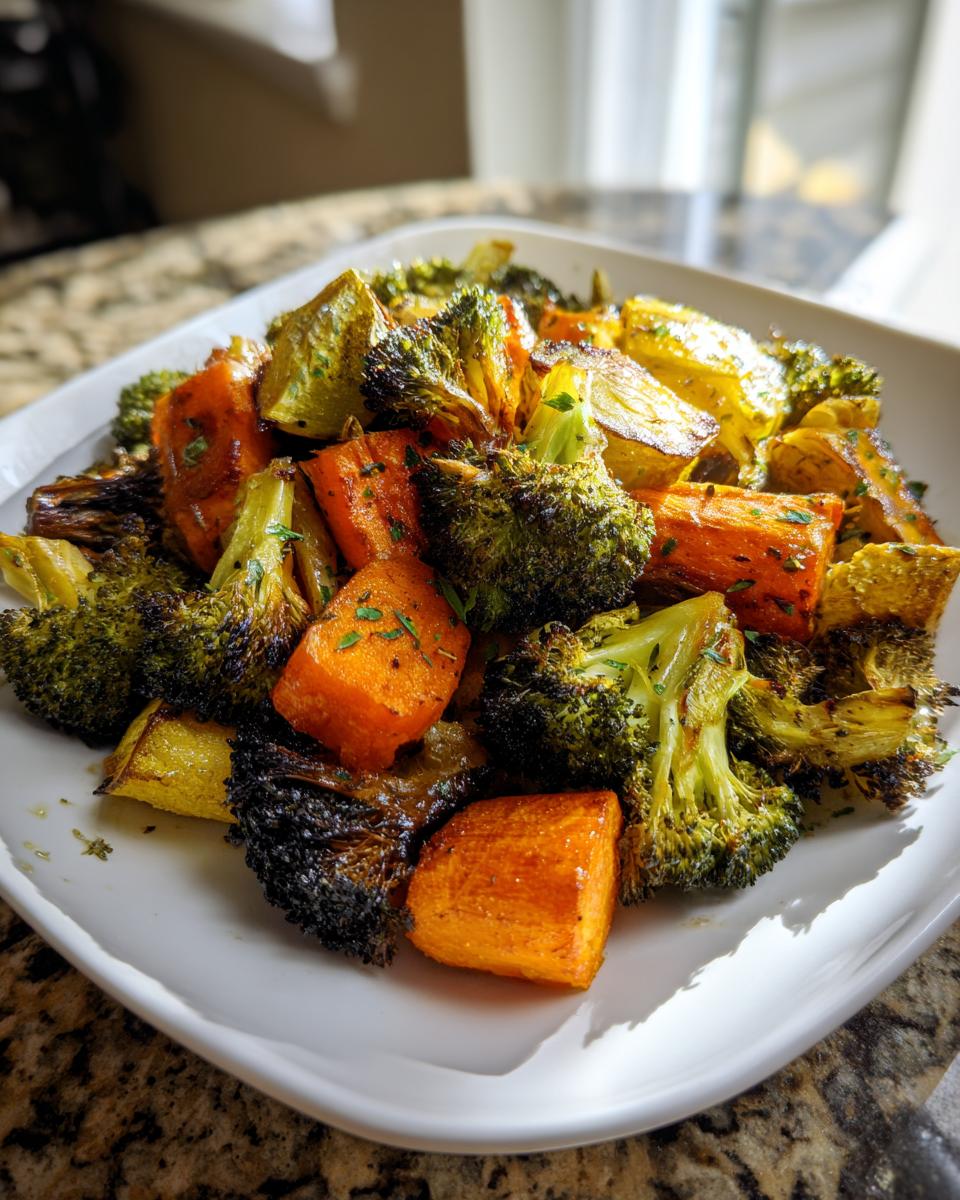
If you want to dress these up for a potluck or a slightly fancier dinner, this glaze is my favorite addition. You just whisk together a tablespoon of maple syrup and a teaspoon of Dijon mustard right into your olive oil *before* you coat the veggies. The maple syrup caramelizes like crazy in that high heat, giving the whole batch a gorgeous glossy shine and a fantastic sweet and tangy punch. It pairs so well with root vegetables, or check out how beautifully this style works with assorted veggies on this great vegetable mix!
Tips for Achieving Crispy Roasted Vegetables Every Time
Okay, let’s drill down on the crunch factor because that’s what separates a great side dish from a forgotten one! When people ask me for **crispy roasted vegetables tips**, the main culprit for sogginess is almost always moisture—either the veg wasn’t dried properly, or the pan was too crowded. We covered those two crucial points above, but if you want to really push the crispiness envelope, you need to think about heat and surface area.
If you’re still getting vegetables that look slightly dull, try turning up that temperature. While 425°F is my standard for general perfection, bumping it up to 450°F really encourages faster evaporation and deeper searing. Just watch them closely because soft veggies can burn faster at that temp!
Another thing I love for maximizing crispiness, especially if I’m just roasting a small batch of hard veggies like potatoes or carrots, is breaking out the air fryer. It circulates air like crazy. If you ever want to see how I get my potatoes perfectly crispy outside without even turning the oven on, check out my instructions for air fryer potato wedges. It’s a game-changer for creating that texture!

Finally, if you’re seeing lots of conflicting advice online, remember the golden rule for **roasted vegetables**: Single layer, hot oven. That’s the tried-and-true formula. For more inspiration on keeping things simple but super flavorful, check out this guide. It offers great tips on keeping things fuss-free!
Making Roasted Vegetables: Quick Weeknight Vegetable Sides
I created this exact **oven roasted vegetables recipe** because I needed an **easy vegetable side dish** that wouldn’t derail my evening after a brutal day at the marketing agency. I remember one night I had a presentation due the next morning, and honestly, I was so drained I almost just ordered pizza. But I had a bunch of aging carrots and broccoli in the fridge, and I remembered Grandma’s philosophy: feeding people you love is an act of love, even if you’re exhausted!
The beauty of this entire process is the timing. From prep to plate, you’re looking at maybe 40 minutes total, which, for a side dish that tastes this amazing, is basically instant gratification. This is why I tell everyone this is my absolute go-to when I need **quick weeknight vegetable sides** that don’t feel like a compromise. You toss everything together, put it in the oven, and forget about it until the timer dings. It buys you 20 minutes of quiet time to clear your head or help the kids with homework!
When you’re searching for ways to eat healthier during the crunch of the week, focusing on reliable, fast roasting is key. These flavorful vegetables feel gourmet but require almost no active cooking time from you. You can find more of my favorite stress-free options for busy schedules in my weeknight dinner category. Trust me, having this dependable side ready makes planning the main course so much easier!
Serving Suggestions for Your Roasted Vegetables
So, you’ve nailed the technique, and now you have this incredible tray of perfectly **roasted vegetables** staring back at you. They smell amazing, they’re glistening, and they are done! What do we serve them with? Since this is truly the ultimate **easy vegetable side dish**, it pairs with almost anything, which makes planning the rest of the meal so much easier. When I’m serving these, I try to match their robust, savory flavor with straightforward mains.
Pairing Roasted Vegetables with Protein
These caramelized veggies are substantial enough that they don’t feel like an afterthought side; they feel like part of the main event! They are absolutely fantastic next to a simple baked protein. If I’m making my impossibly tender baked salmon, the sweetness from the roasting really complements the richness of the fish beautifully. They also stand up perfectly to grilled chicken or pork tenderloin. You don’t need a heavy sauce on the meat because the vegetables bring so much robust flavor themselves. It just feels comforting and complete, exactly what I want for **vegetable side dishes for dinner**!
Making it a Vegan Roasted Vegetables Meal
If you’re looking for a fantastic, hearty **vegan roasted vegetables** option, honestly, this recipe on its own is often enough for me on a lighter night! If you want to bulk it up just a tiny bit, try serving this medley over a bed of fluffy quinoa or maybe some creamy hummus. The textures work so well together. You could also toss in some roasted chickpeas with them during the last 10 minutes of roasting time to add protein and crunch. It’s an incredibly satisfying, plant-based plate that needs zero fuss.
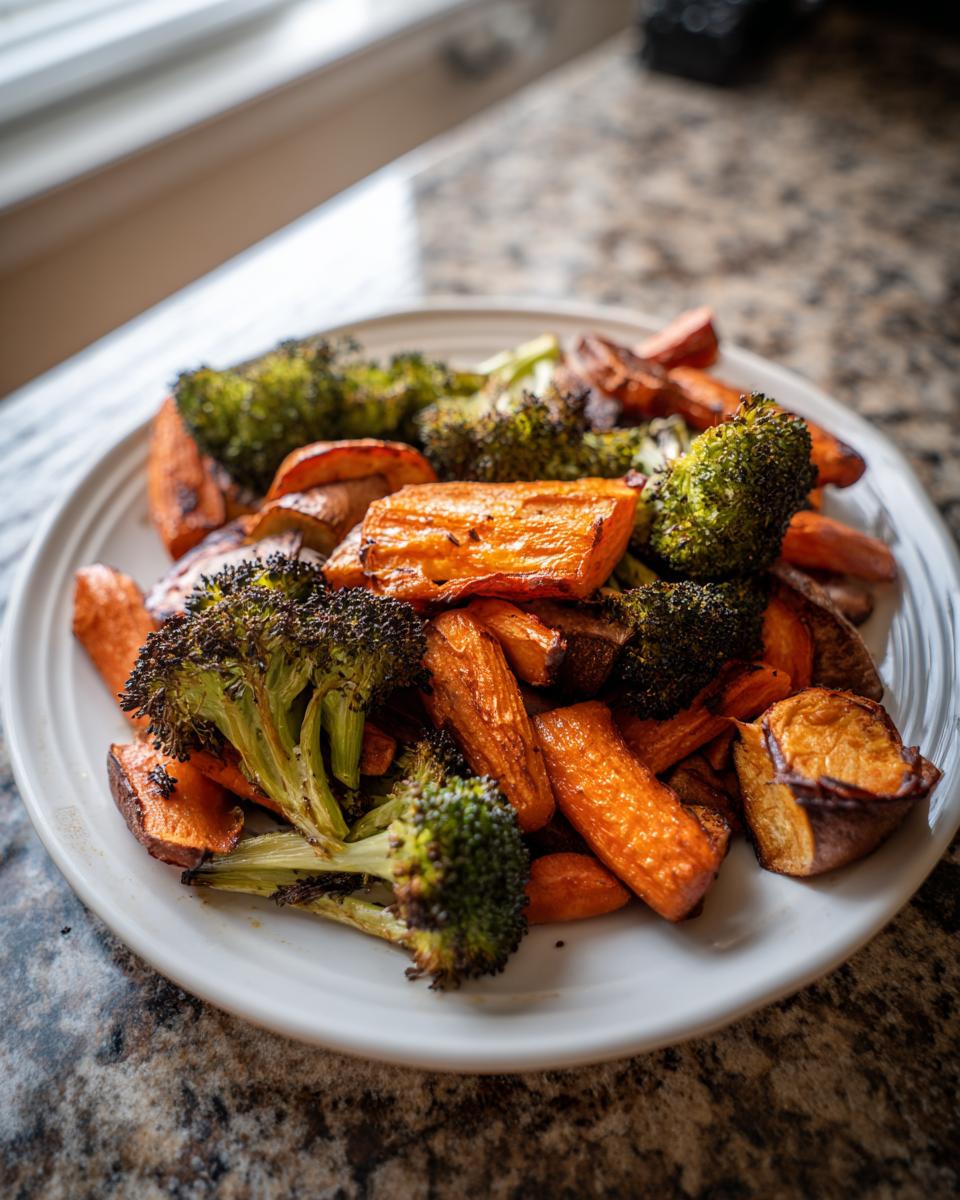
If you want to see how others are serving up their roasted vegetables, take a peek at these pairing ideas over at this spot. It’s always fun to see what main courses people are bringing to the table alongside these favorites!
Storage and Reheating Instructions for Roasted Vegetables
No matter how hard I try, my family never manages to finish every single vegetable on the sheet pan! Luckily for us (and for my lunch plans the next day), these roasted vegetables are fantastic as leftovers if you store them correctly. The biggest fear when you reheat roasted veggies is that they turn mushy, right? We absolutely want to avoid that sad outcome, especially since we worked so hard to get them perfectly caramelized in the first place.
When it comes to storing them, keep it simple. Let the vegetables cool down completely first—hot food traps steam in the fridge, and steam is the enemy of crispiness! Once they are cool, tuck them into an airtight container. They should stay perfectly good in the refrigerator for about three to four days. I find they actually taste even better the next day when those seasonings have had time to really soak in!
Now, for reheating. This is the crucial part. Do yourself a favor and skip the microwave if you can. That super-quick heating method just cooks the residual moisture right back into the vegetables, turning them soft again. For the best results, here are my two favorite ways to wake them back up:
- The Oven Reheat: Spread the cooled vegetables back out on a baking sheet (single layer, remember the rule!) and pop them into a 350°F oven for about 5 to 8 minutes. You just want to warm them through, but this gentle heat lets any moisture evaporate again, bringing back some of that lovely texture.
- The Quick Pan-Sear: If you’re serving them alongside something quick, like scrambled eggs or toast, toss them into a hot skillet with just a tiny drizzle of fresh olive oil for about 3 minutes over medium-high heat. This sort of flash-fries them and brings that slight crispiness right back to the surface. It’s seriously fast and makes them taste like they just came out of the oven!
Follow these steps, and you’ll have leftovers that taste almost as good as the original batch. It’s such a great way to stretch your cooking efforts!
Frequently Asked Questions About Roasted Vegetables
I know that once you start cooking, a million new questions pop up! That’s exactly how I felt when I was learning the ropes from Grandma. It’s totally normal to wonder about swaps and timing for different situations. I’ve pulled together some of the most common things folks ask me so you can feel totally confident making these every time. If you ever have a question I haven’t covered, just drop over to my general blog page and leave a comment—I try to answer everyone!
Can I use frozen vegetables for this oven roasted vegetables recipe?
Oh, honey, please don’t! I know it seems like a great shortcut for an **easy vegetable side dish**, but frozen vegetables have already been blanched and are packed with water crystals. When you put them in a hot oven, those crystals turn to steam immediately. Instead of getting the beautiful browning we want for our **roasted vegetables**, you’ll just end up with a sad, watery mess that steams itself right into mush. Stick to fresh produce for the best results!
What temperature is best for caramelized vegetables tutorial?
If your goal is that deep coloring and incredible, sweet flavor that makes the **caramelized vegetables tutorial** worthwhile, you need high heat. I use 425°F as my go-to standard for these **roasted vegetables**, but if you want those edges brown *really* fast, turn it up to 450°F. Heat is what drives out the moisture and activates the natural sugars, creating that incredible caramelized crust. That’s the key to making them taste amazing!
What are the best seasonal roasted vegetables to use in the fall?
Fall is my favorite time for roasting because those root vegetables just shine when they get hot! When you’re looking for **seasonal roasted vegetables**, you can’t go wrong with butternut squash, sweet potatoes, parsnips, and honestly, Brussels sprouts are divine when roasted properly. They hold their structure much better than summer squash, giving you a firmer texture that stands up beautifully to richer fall flavors. Just remember: the harder the vegetable, the smaller you need to cut it compared to softer items like peppers!
PrintThe Ultimate Guide to Perfectly Roasted Vegetables: Master the Technique for Crispy Edges and Tender Centers

Learn the simple techniques to roast vegetables so they come out tender inside and perfectly caramelized outside every time. This easy vegetable side dish recipe works with seasonal produce for flavorful weeknight dinners.
- Prep Time: 15 min
- Cook Time: 25 min
- Total Time: 40 min
- Yield: 4 servings 1x
- Category: Side Dish
- Method: Oven Roasting
- Cuisine: American
- Diet: Vegetarian
Ingredients
- 2 lbs mixed seasonal vegetables (broccoli, carrots, bell peppers, zucchini recommended)
- 3 tablespoons olive oil
- 1 teaspoon kosher salt
- 1/2 teaspoon black pepper
- 1 teaspoon garlic powder
- 1/2 teaspoon dried Italian herbs
Instructions
- Preheat your oven to 425 degrees Fahrenheit. Set an oven rack to the middle position.
- Prepare the vegetables: Wash all produce. Cut harder vegetables (like carrots) into uniform 1/2-inch pieces. Cut softer vegetables (like zucchini) into slightly larger, uniform pieces. Uniform size helps them cook evenly.
- Dry the vegetables thoroughly using paper towels. Removing surface moisture is key to preventing mushy vegetables and achieving crisp edges.
- Place the dried vegetables on a large, rimmed baking sheet. Do not overcrowd the pan; use two sheets if necessary. Overcrowding steams the vegetables instead of roasting them.
- Drizzle the vegetables with the olive oil. Use your hands to toss them until every piece is lightly coated.
- Sprinkle evenly with salt, pepper, garlic powder, and dried herbs. Toss again to distribute the seasonings.
- Spread the vegetables into a single layer on the baking sheet. Do not let them touch too much.
- Roast for 20 to 25 minutes. Toss the vegetables halfway through the cooking time.
- Check for doneness: The vegetables are done when they are tender when pierced with a fork and have developed browned, caramelized edges.
- Serve immediately as a healthy roasted vegetable side dish.
Notes
- For garlic roasted vegetables, add 2 teaspoons of minced fresh garlic during the last 5 minutes of roasting to prevent burning.
- For a maple dijon glaze, whisk 1 tablespoon of maple syrup and 1 teaspoon of Dijon mustard with the oil before tossing.
- If you want extra crispy roasted vegetables, use a higher temperature, like 450 degrees Fahrenheit, and ensure the vegetables are in a single layer on the pan.
Nutrition
- Serving Size: 1 serving
- Calories: 120
- Sugar: 5
- Sodium: 350
- Fat: 7
- Saturated Fat: 1
- Unsaturated Fat: 6
- Trans Fat: 0
- Carbohydrates: 14
- Fiber: 4
- Protein: 3
- Cholesterol: 0