 Skip to content
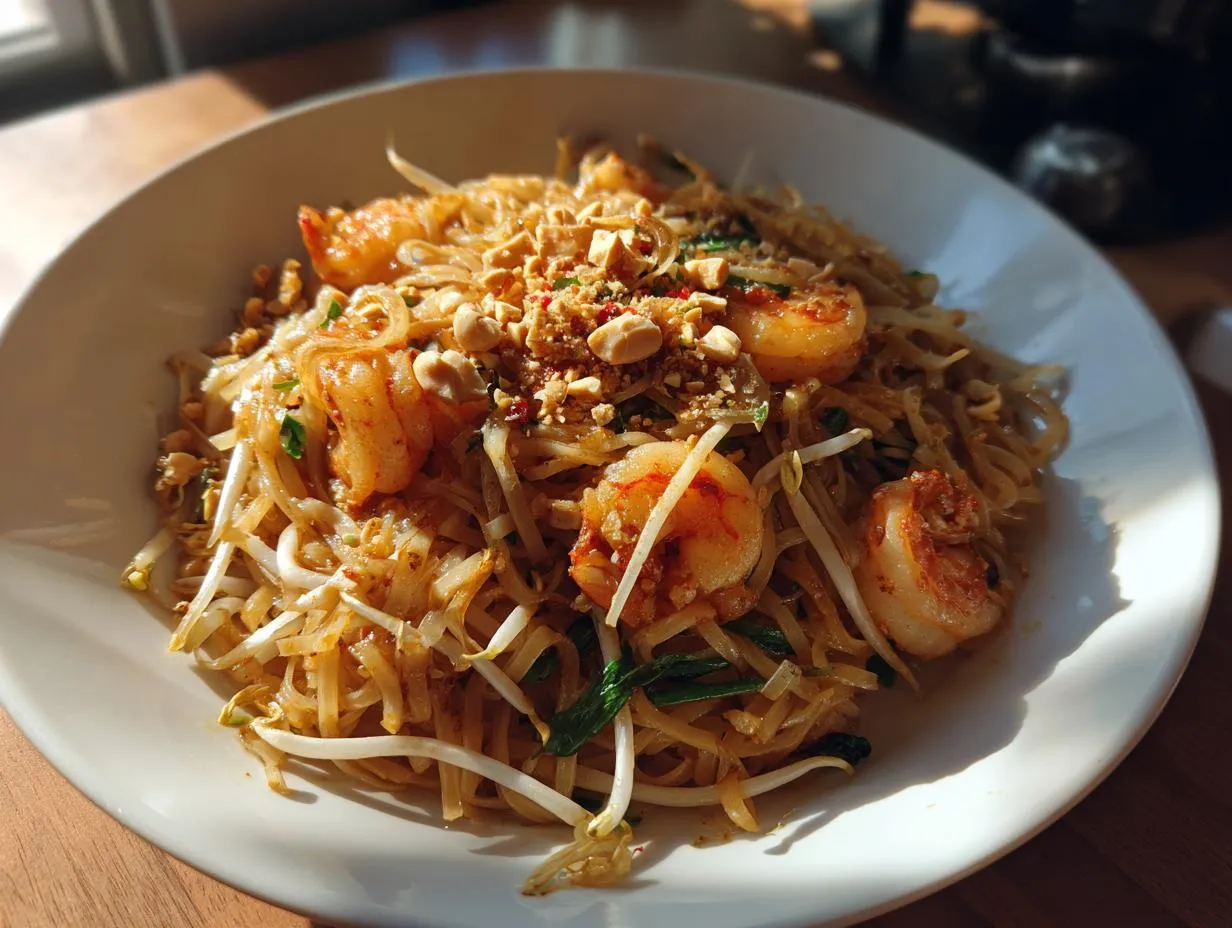

Okay, let’s talk Pad Thai! If you’re dreaming of that perfect plate of noodles – you know, the one with that incredible sweet, sour, and salty kick, tender chewy noodles, and all those yummy mix-ins – you’ve come to the right place. Forget those sad, overly sweet versions you might have tried; this recipe is all about getting that authentic Thai street-food magic right in your own kitchen. I remember my first real Pad Thai experience in Bangkok; it was mind-blowing! The vibrant wok-fried goodness, the smell, the taste… I was hooked. It took me ages to nail it at home, but this recipe? It’s my foolproof way to recreate that incredible flavor without needing restaurant-level skills. Trust me, this Pad Thai isn’t just easy, it’s downright delicious and totally achievable!

- Why You'll Love This Authentic Pad Thai Recipe
- Ingredients for the Best Pad Thai
- Mastering Pad Thai: Step-by-Step Instructions
- Tips for Success: Making the Best Pad Thai
- Ingredient Notes and Substitutions for Pad Thai
- Frequently Asked Questions About Pad Thai
- Nutritional Information for This Pad Thai
- Share Your Pad Thai Creations!
Why You’ll Love This Authentic Pad Thai Recipe
Seriously, why should you give this Pad Thai recipe a shot? Let me count the ways:
- It’s SO easy! Even if you’ve never made Pad Thai before, you’ll be shocked at how simple it is. No fancy techniques required, just good ingredients and a hot pan.
- Authentic Flavor, Guaranteed. We’re talking that perfect balance of sweet, sour, and savory that makes Pad Thai so addictive. No ketchup or weird sugar bombs here.
- Dinner in a Flash. From start to finish, you’re looking at about 35 minutes. Perfect for those weeknights when takeout is calling, but you *really* want to cook something amazing.
- Restaurant-Quality Results. Get ready to impress yourself (and anyone you’re serving)! This Pad Thai tastes just like the stuff you get from your favorite Thai spot.
- Totally Customizable. Love extra peanuts? Want more sprouts? Feel free to tweak it to your heart’s content. That’s the beauty of cooking at home!
- Satisfies Cravings. You know that craving for something tangy, a little spicy, and super comforting? This recipe hits the spot every single time.
Ingredients for the Best Pad Thai
Alright, let’s gather our goodies for this amazing Pad Thai! The secret to getting that authentic taste is all in the blend of ingredients, and thankfully, most of these are pretty easy to find.
Here’s what you’ll need:
- 8 ounces dried flat rice noodles
- 3 tablespoons vegetable oil, divided
- 8 ounces shrimp, peeled and deveined, or boneless, skinless chicken breast, thinly sliced
- 2 cloves garlic, minced
- 1/4 cup firm tofu, pressed and cubed
- 2 large eggs, lightly beaten
- 1 cup fresh bean sprouts
- 1/2 cup chopped fresh chives or green onions
- 1/4 cup unsalted roasted peanuts, chopped
- Lime wedges, for serving
For the Sauce:
- 3 tablespoons fish sauce
- 3 tablespoons tamarind paste concentrate (this is key!)
- 2 tablespoons brown sugar
- 1 tablespoon rice vinegar
- 1 teaspoon sriracha or chili garlic sauce (if you like a little heat!)
Don’t worry if you’ve never used tamarind paste before! It’s usually in a block form or a concentrate. If you can only find the block, you’ll want to soak a small piece in hot water and then strain it to get the paste – it’s a little extra step but totally worth it for that classic sour tang. If it’s a total no-go, I’ve got some tricks up my sleeve for a substitution later!
Mastering Pad Thai: Step-by-Step Instructions
Alright, get your woks ready because we’re about to make some magic! Making Pad Thai at home is way more about speed and getting the timing right than anything super fancy. I love using a big, wide skillet if you don’t have a wok – just make sure it gets nice and hot!
Preparing the Noodles for Your Pad Thai
First things first, the noodles! You want to use those nice flat rice noodles. The biggest mistake people make is over-soaking them. You want to soak them in hot (not boiling!) water until they’re just pliable, like al dente pasta. Seriously, just a few minutes usually does it. They’ll finish cooking in the pan. Drain them really well so they don’t steam themselves into a gummy mess. I usually give them a little rinse under cool water afterward just to stop the cooking and make sure they don’t stick together.
Crafting the Perfect Pad Thai Sauce
This is where the flavor explosion happens! In a small bowl, just whisk together the fish sauce (our salty base!), the tamarind paste concentrate (for that essential tangy punch), the brown sugar (just enough sweet to balance things out), and a splash of rice vinegar. Now, if you like it with a little zing, add in that sriracha or chili garlic sauce. Give it all a good stir until the sugar dissolves. Taste it – does it make you pucker a little and then want more? Perfect!
The Stir-Fry: Bringing Your Pad Thai Together
Okay, high heat is your friend here! Add about a tablespoon of oil to your scorching hot wok or skillet. Toss in your shrimp or chicken and stir-fry super fast until it’s just cooked through. Don’t overcook it! Shovel it out onto a plate for a sec. Now, add the rest of the oil. Throw in your minced garlic and those little cubes of tofu. Sauté for just about a minute until you can smell that garlic goodness. Now, push all that to one side of the wok. Pour your beaten eggs into the empty space and scramble ’em up until they’re *almost* set. We want them soft and gooey, not rubbery!
Here comes the fun part: add your drained noodles and that glorious sauce mixture right into the wok. Toss everything together like crazy, making sure every single noodle gets coated. Let it cook for about 2-3 minutes, constantly tossing, until the noodles are tender and the sauce has thickened up beautifully, clinging to every strand. This is where the magic happens – the noodles absorb all that incredible flavor.
Finishing Touches for Your Pad Thai
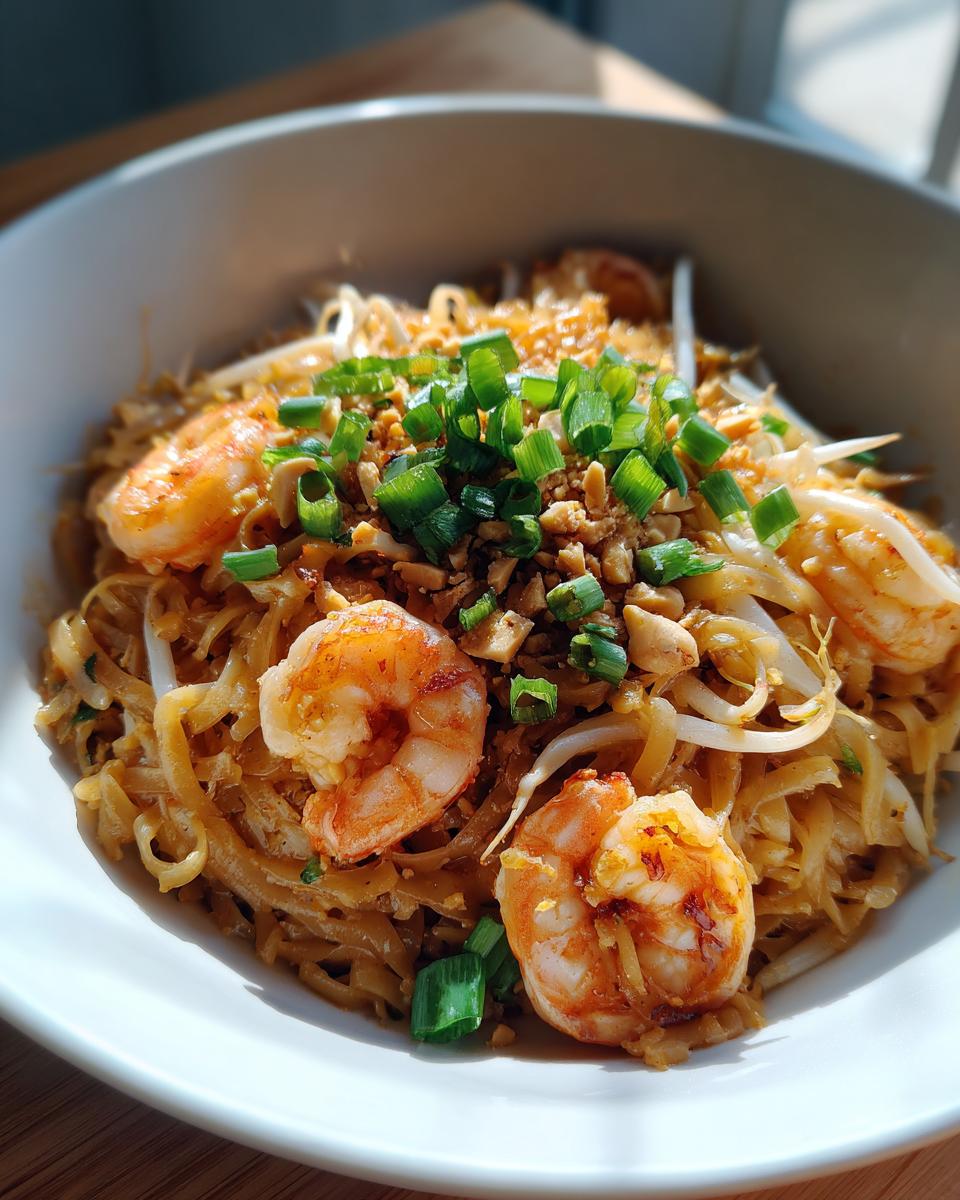
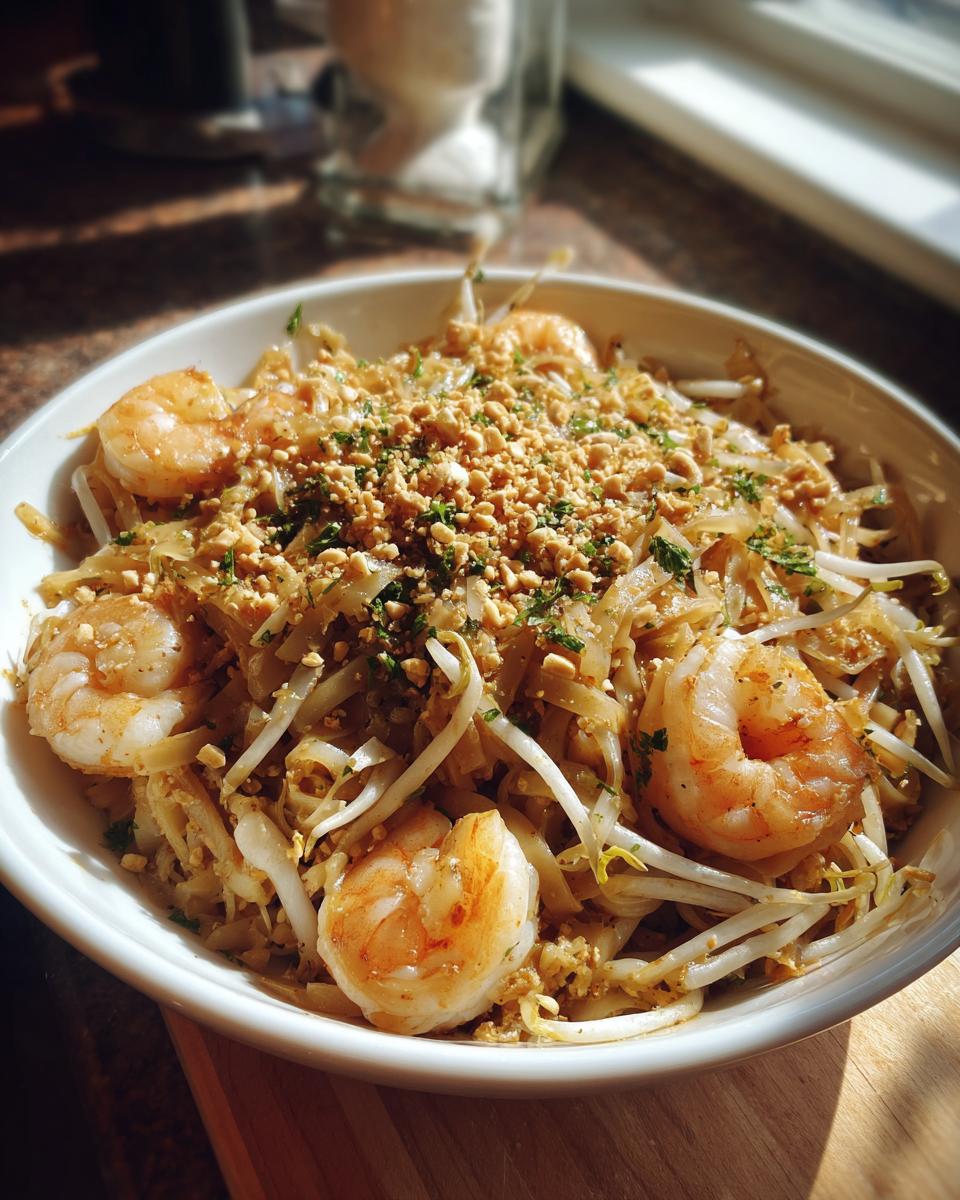
Now, toss your cooked shrimp or chicken back into the wok. Pile in the fresh bean sprouts and those bright green chives or green onions. Give it all one last quick toss – just long enough to wilt the sprouts slightly but keep them nice and crisp. You want that fresh crunch! Serve this amazing Pad Thai immediately on plates, piled high, with those chopped roasted peanuts sprinkled generously over the top and a couple of lime wedges on the side for squeezing. That fresh squeeze of lime at the end? Game changer!
Tips for Success: Making the Best Pad Thai
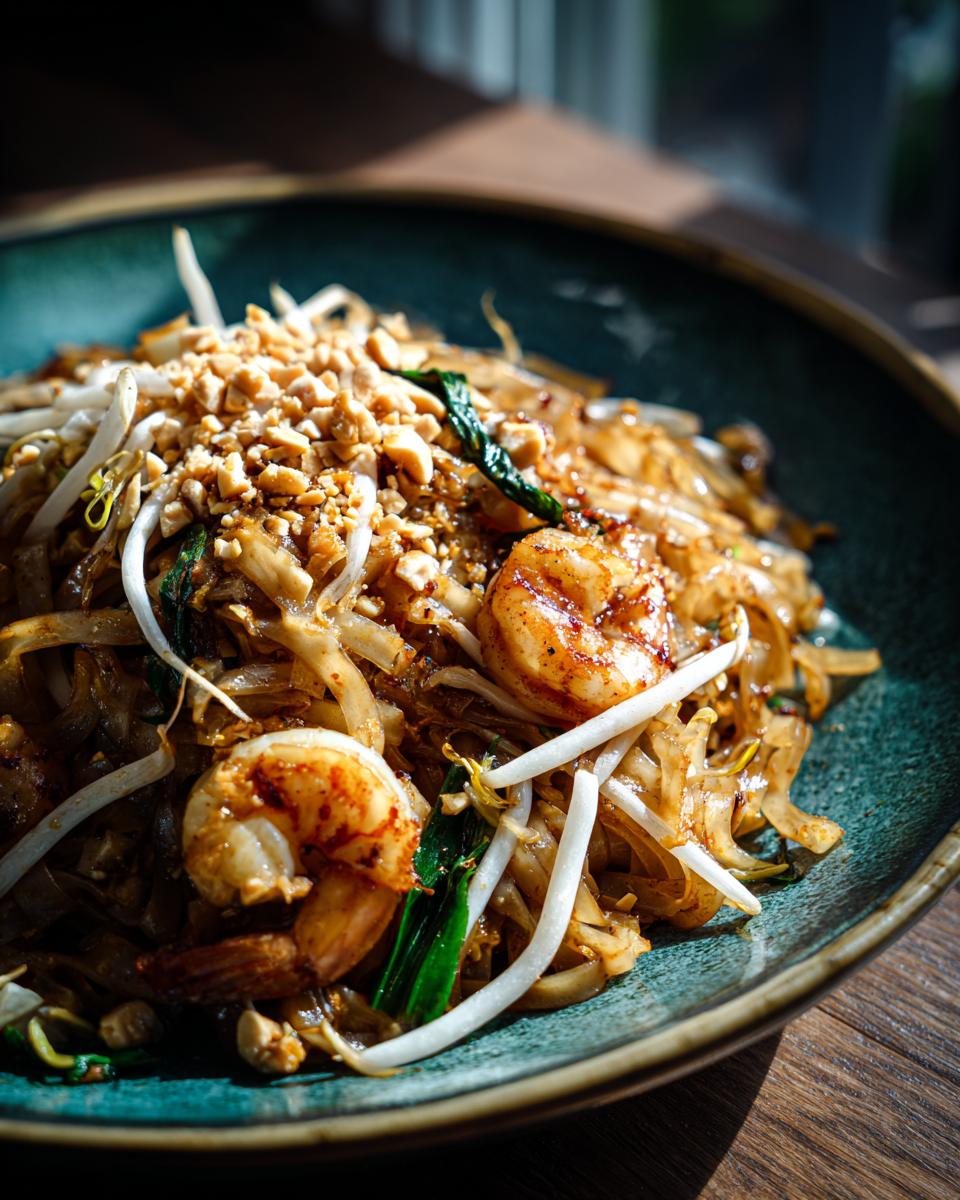
You know, diving into Pad Thai can seem a little intimidating, but I promise, it’s all about a few key things that make all the difference. My biggest tip? Get everything prepped and ready *before* you even think about turning on the stove. Seriously, this dish cooks in minutes, so scrambling for ingredients mid-stir-fry is a recipe for mushy noodles. Make sure your wok or skillet is super hot – I’m talking “a drop of water evaporates instantly” hot. This high heat is crucial for that signature wok-fried flavor and texture. Avoid overcrowding the pan; cook in batches if you have to. And please, please, please resist the urge to stir the noodles too much once the sauce goes in. Let them get a little bit of color and caramelization!
Ingredient Notes and Substitutions for Pad Thai
Okay, let’s chat about a few of these ingredients, especially that tricky tamarind paste, because it really makes this Pad Thai sing!
Tamarind Paste: This is your secret weapon for that authentic sour kick. You can usually find it in Asian markets or the international aisle of larger grocery stores. It might come in a jar as a concentrate, or sometimes as a hard brick. If you get the brick, you’ll just need to soak a chunk in hot water and strain out the pulp to get the paste. If you absolutely, positively cannot find tamarind paste, don’t fret! You can fake it with about 2 tablespoons of fresh lime juice and another tablespoon of brown sugar mixed into the sauce. It won’t be *exactly* the same – it’ll be a little less complex – but it’ll still be delicious!
Protein Power: I love shrimp or chicken here because they cook so fast, which is perfect for this quick stir-fry. But feel free to get creative! Thinly sliced pork loin works wonders, or for a super speedy option, you can even use pre-cooked rotisserie chicken that you shred. For my vegetarian friends, this recipe is a dream! Just skip the shrimp and chicken, and use a good vegetable broth or even just plain water when you’re making the sauce base. I also like adding extra firm tofu, or even some broccoli florets or sliced carrots for extra color and crunch.
Frequently Asked Questions About Pad Thai
Got questions about whipping up this amazing Pad Thai? I’ve got you covered! Let’s tackle some of the most common things people wonder about when making this classic Thai noodle dish at home.
Can I make Pad Thai ahead of time?
While Pad Thai is best enjoyed fresh, you can do some prep work! Make the sauce and chop all your ingredients ahead of time. Cook the noodles just before you’re ready to serve, and then do the final stir-fry. It all comes together so fast, you’ll see!
What kind of noodles are best for Pad Thai?
You really want to use dried, flat rice noodles for the best texture. Look for ones that are about 1/4-inch wide. They absorb the sauce perfectly! Avoid the really thin ones, as they can get mushy too easily in the wok.
How do I get authentic Pad Thai flavor?
The magic is in the sauce! That sweet, sour, and salty trifecta comes from the fish sauce, tamarind paste, and brown sugar. Don’t skip the tamarind if you can help it – it’s the key to that signature tangy depth!
Is this recipe vegetarian-friendly?
Absolutely! Just skip the shrimp and chicken, and use a good vegetable broth or even just water for the sauce. You can also add extra tofu or throw in some extra veggies like carrots or bell peppers for a fantastic meat-free Pad Thai!
Nutritional Information for This Pad Thai
Alright, let’s talk numbers! While every kitchen is a little different and your Pad Thai might turn out slightly different depending on the exact brands you use and how much you love that sauce, here’s a general idea of what you’re looking at per serving for this delicious dish. Remember, these are estimates!
Per serving (approximate):
- Calories: 650
- Fat: 30g
- Protein: 30g
- Carbohydrates: 70g
- Sugar: 15g
- Sodium: 1800mg
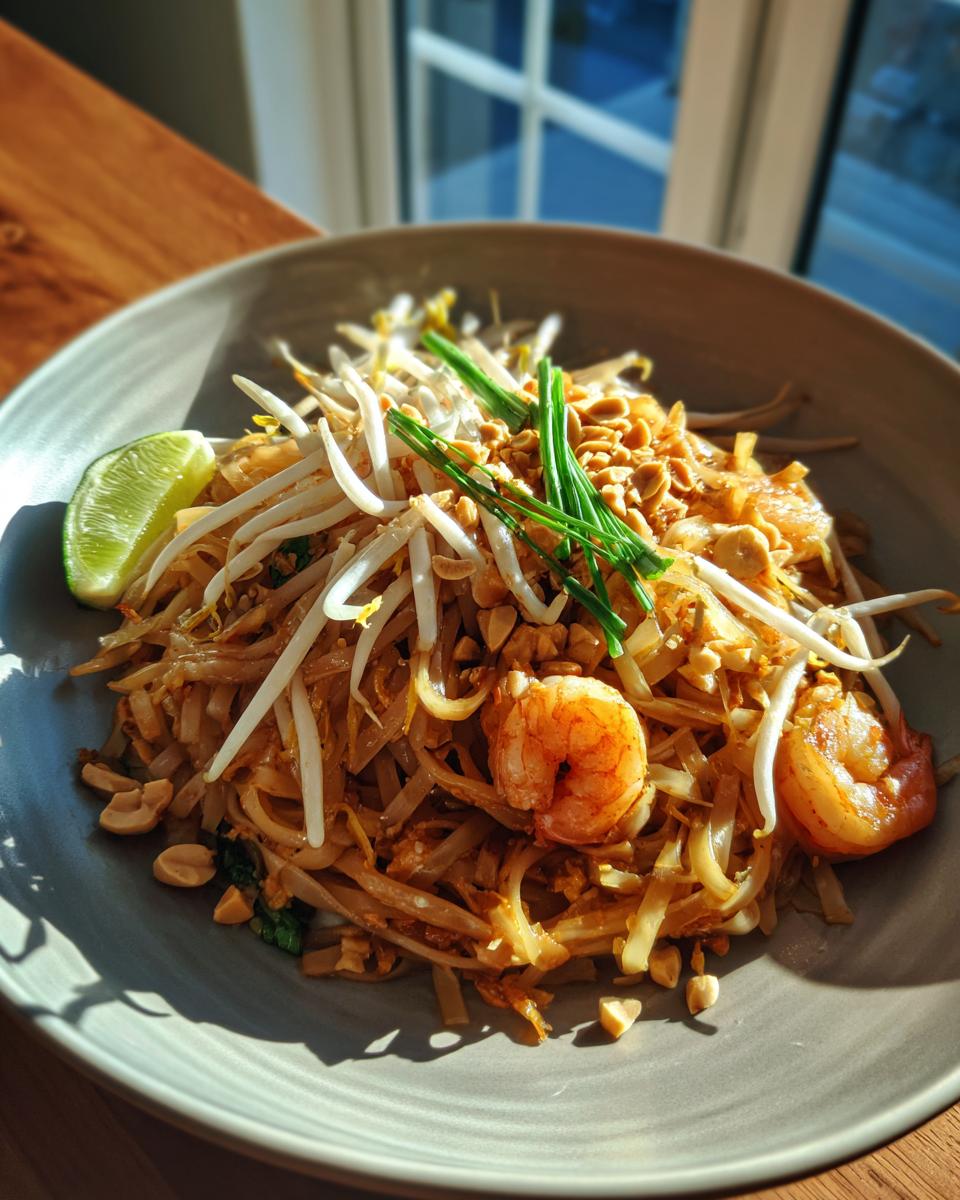
Share Your Pad Thai Creations!
Alright, now it’s YOUR turn to make some Pad Thai magic! I really hope you give this recipe a try. When you do, please let me know how it turned out by leaving a comment below. I’d absolutely LOVE to hear about your experience – what you thought, any tweaks you made, or even just how much you loved it! And if you snap any pictures of your amazing Pad Thai, tag me on social media! Sharing your culinary adventures makes my day. You can also reach out if you have any questions!
PrintAuthentic Pad Thai Recipe
A reliable and easy-to-follow recipe for authentic Pad Thai, capturing the perfect balance of sweet, sour, and salty flavors with tender noodles and fresh ingredients.
- Prep Time: 20 min
- Cook Time: 15 min
- Total Time: 35 min
- Yield: 2 servings 1x
- Category: Dinner
- Method: Stir-fry
- Cuisine: Thai
- Diet: Vegetarian
Ingredients
- 8 ounces dried flat rice noodles
- 3 tablespoons vegetable oil, divided
- 8 ounces shrimp, peeled and deveined, or boneless, skinless chicken breast, thinly sliced
- 2 cloves garlic, minced
- 1/4 cup firm tofu, pressed and cubed
- 2 large eggs, lightly beaten
- 1 cup fresh bean sprouts
- 1/2 cup chopped fresh chives or green onions
- 1/4 cup unsalted roasted peanuts, chopped
- Lime wedges, for serving
- For the Sauce:
- 3 tablespoons fish sauce
- 3 tablespoons tamarind paste concentrate
- 2 tablespoons brown sugar
- 1 tablespoon rice vinegar
- 1 teaspoon sriracha or chili garlic sauce (optional)
Instructions
- Soak rice noodles in hot water according to package directions until pliable but not mushy. Drain well and set aside.
- In a small bowl, whisk together fish sauce, tamarind paste, brown sugar, rice vinegar, and sriracha (if using) for the sauce. Set aside.
- Heat 1 tablespoon of vegetable oil in a large wok or skillet over medium-high heat. Add shrimp or chicken and stir-fry until cooked through. Remove from wok and set aside.
- Add the remaining 2 tablespoons of oil to the wok. Add garlic and tofu and stir-fry for 1 minute until fragrant.
- Push the tofu and garlic to one side of the wok. Pour the beaten eggs into the empty side and scramble until almost set.
- Add the drained noodles and the prepared sauce to the wok. Toss everything together, ensuring the noodles are evenly coated with the sauce. Cook for 2-3 minutes, tossing frequently, until the noodles are tender and the sauce has thickened slightly.
- Add the cooked shrimp or chicken back into the wok along with the bean sprouts and chives. Toss to combine and cook for another 1-2 minutes until the bean sprouts are slightly wilted but still crisp.
- Serve immediately, garnished with chopped peanuts and lime wedges on the side.
Notes
- For a vegetarian version, omit the shrimp and chicken and use vegetable broth instead of fish sauce. Add extra firm tofu or other vegetables like broccoli or carrots.
- If you cannot find tamarind paste concentrate, you can substitute with 2 tablespoons of lime juice and 1 tablespoon of brown sugar, though the flavor will be slightly different.
- Ensure your wok or skillet is very hot before you begin stir-frying to achieve the best texture and flavor.
Nutrition
- Serving Size: 1 serving
- Calories: 650
- Sugar: 15g
- Sodium: 1800mg
- Fat: 30g
- Saturated Fat: 6g
- Unsaturated Fat: 24g
- Trans Fat: 0g
- Carbohydrates: 70g
- Fiber: 4g
- Protein: 30g
- Cholesterol: 250mg