 Skip to content
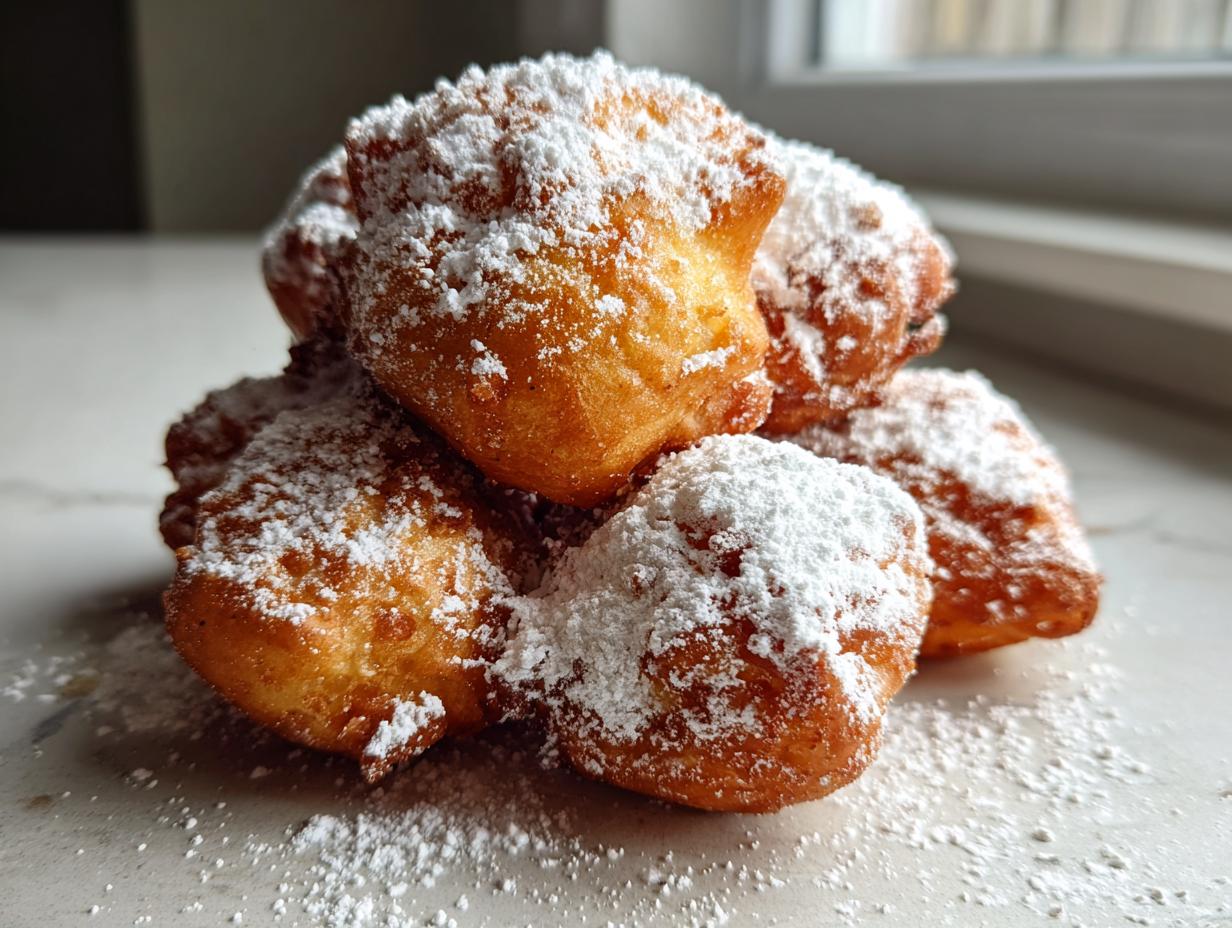

When the air gets crisp and the holidays start winding down, I always look for a way to stretch that festive feeling just a bit longer. For me, that means diving into world traditions, and nothing says winter celebration quite like deep-frying something spectacular! Honestly, mastering these incredible Oliebollen—those beautiful Dutch New Year fritters—has become my favorite way to welcome January.

Forget those heavy, dense raisin doughnuts you might be thinking of. My recipe brings you the real deal: light, fluffy clouds of fried dough, studded with fruit, and just begging for a massive dusting of powdered sugar. I learned early on from my grandmother that bringing global food traditions right into your own kitchen is one of the best forms of connection. Trust me, once you get the hang of this yeast dough, you’ll want to make these oliebollen every chance you get!
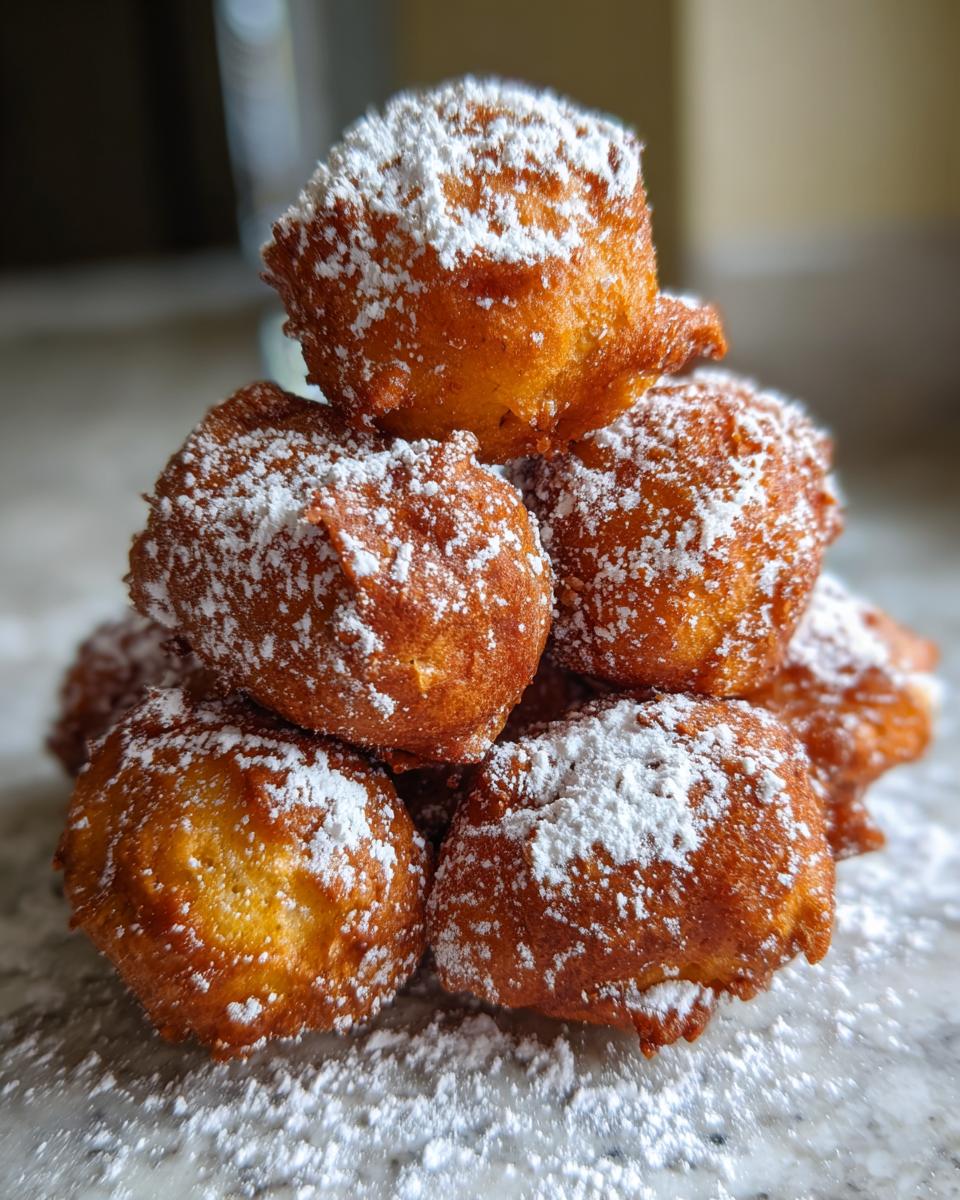
I’ve spent ages perfecting the rise and the oil temperature because the last thing we want is an oil-logged, sad lump. We are aiming for crispy outside, pillowy soft inside. It’s an act of love, really, and it brings a little taste of the Netherlands right to my Ohio dining room table. I think you’re going to love them!
If you want to hear more about my journey bringing these comforting, soul-satisfying traditions home from a hectic marketing job, you can always check out my story over on my About Page.
- Why You Need This Authentic Oliebollen Recipe
- Essential Ingredients for Perfect Homemade Oliebollen
- Equipment Needed to Make Delicious Oliebollen
- Step-by-Step Instructions for Traditional Oliebollen Recipe
- Tips for Achieving the Best Oliebollen Texture
- Serving and Storing Your Homemade Oliebollen
- Frequently Asked Questions About Oliebollen Recipe
- Nutritional Estimates for Traditional Oliebollen
- Share Your Homemade Oliebollen Experience
Why You Need This Authentic Oliebollen Recipe
I know, the idea of deep-frying can feel intimidating—especially when you’re aiming for a light and airy result rather than a dense brick. But I promise you, this oliebollen recipe is my tested best friend for New Year’s Eve. When you follow these steps, you aren’t just making a snack; you’re creating a tradition!
Here’s why this version turns out better than anything you buy from a street vendor:
- We nail that perfect crunch-to-fluff ratio. That means a super crispy exterior thanks to just the right oil temperature, protecting that soft, cloud-like interior.
- We keep it traditional! My recipe insists on including those lovely bursts of raisins (or currants!) and optional apple pieces that make these Dutch New Year fritters truly special.
- It’s surprisingly forgiving! While the yeast needs time, the actual mixing process is very fast, which is great for my busy life. It’s a quick win for a big holiday payoff.
Essential Ingredients for Perfect Homemade Oliebollen
Okay, let’s talk supplies. Making these traditional holiday donuts relies on simple pantry staples, but their prep is everything. When you’re working with yeast dough, trusting your ingredients is just like trusting your gut—and I trust yeast!
My method requires the following—make sure your milk is just lukewarm; too hot and we kill the yeast, too cool and it takes forever!
- 1 cup whole milk, lukewarm
- 2 1/4 teaspoons active dry yeast
- 1/4 cup granulated sugar, plus 1 teaspoon for yeast
- 2 1/2 cups all-purpose flour
- 1/2 teaspoon salt
- 2 large eggs, lightly beaten
- 1/2 cup raisins or currants
- 1/2 cup chopped apple (optional, but I love it!)
- Vegetable oil, for deep frying (Please, use enough!)
- Powdered sugar, for dusting (Don’t spare it!)
If your yeast isn’t fresh, your dough won’t rise properly. I learned that lesson the hard way when I was rushing for a party! That foamy top right after activating the yeast is my personal signal that the base for these light little fried treats is ready to go. If you want deeply reliable results, you have to pay attention to that first step—it’s where the magic starts. Knowing how to troubleshoot simple yeast issues is key to making any good bread or dough, and checking out my reliable challah recipe offers similar foundational tips!
Ingredient Notes and Substitutions for Your Oliebollen
You might wonder about those fruit choices. The raisins or currants are non-negotiable for that authentic flavor punch, but that chopped apple? Totally optional! I like the tartness it adds, but leave it out if your apples aren’t cooperating. The most crucial thing to remember about using dried fruit here is that it has to be dried. Wet fruit releases too much moisture into the batter, which messes up the rise and makes for a heavy fritter.
Equipment Needed to Make Delicious Oliebollen
You don’t need a fancy deep fryer for these traditional holiday donuts, but you do need a couple of specific items if you want that perfect non-soggy result. Trust me on this one—the temperature control is everything!
Here are the must-haves in my kitchen when making these Dutch New Year fritters:
- A deep, heavy-bottomed pot or Dutch oven. This holds the heat wonderfully.
- A reliable kitchen thermometer. This is non-negotiable! We need to hit 375°F and keep it steady.
- Two spoons for dropping the batter.
- A slotted spoon or spider for retrieving the fritters.
- A wire rack lined with paper towels for draining.
Having that thermometer handy means you completely remove the guesswork. We want them crisp, not greasy, and temperature is the secret handshake to making that happen!
Step-by-Step Instructions for Traditional Oliebollen Recipe
Alright, let’s get cooking! This is where the magic happens, but you need to move with a little intention. We’re building structure in this yeast dough, so patience during the rise is everything. First, you need that milk warm—not hot, just pleasantly warm to the touch. Take your yeast, a tiny spoon of sugar, and that lukewarm milk, mix gently, and let it foam up on the counter for about ten minutes. That foamy top tells me the yeast is alive and ready to work its magic on the batter! If you’re interested in other dough-based treats we make around here, like my recipe for Hanukkah jelly donuts, you can see how important that initial yeast proofing step is!
While that’s going, grab your big bowl and whisk your flour and salt together. Then you pour in the foamy yeast mixture and the rest of your sugar. Mix it just until it comes together—I mean it, stop mixing early! Then beat in those two lovely eggs until the batter looks smooth and thick. This is critical: once the fruit goes in—the raisins and those optional apples—you fold them in gently. Resist the urge to beat it like crazy. We want air in there, not tough gluten strings! Cover it up and let this batter rest for a good hour to an hour and a half in a warm spot until it’s doubled. This rising time is what guarantees you get those famous light and fluffy Dutch New Year fritters, not sad, dense lumps.
Now for the frying setup! Get about three inches of vegetable oil into that heavy pot and hang a thermometer on the side. You absolutely must bring the oil up to 375 degrees Fahrenheit (190 Celsius). I cannot stress this enough—temperature management controls the texture of these raisin doughnuts. Too low, and they soak up oil; too high, and they burn outside before cooking inside.
Frying Technique for Light and Puffy Oliebollen
Once that oil is locked in at 375°F, we start dropping the batter. I use two small spoons to scoop out rounded tablespoons and gently drop them into the hot oil. Don’t put too many in at once! If you crowd the pot, the oil temperature drops immediately, and boom—you’re back to square one with oily treats. Work in batches! You’ll see them puff up almost instantly, which is so satisfying! Let them fry for about three or four minutes until they are deeply golden brown on the bottom.
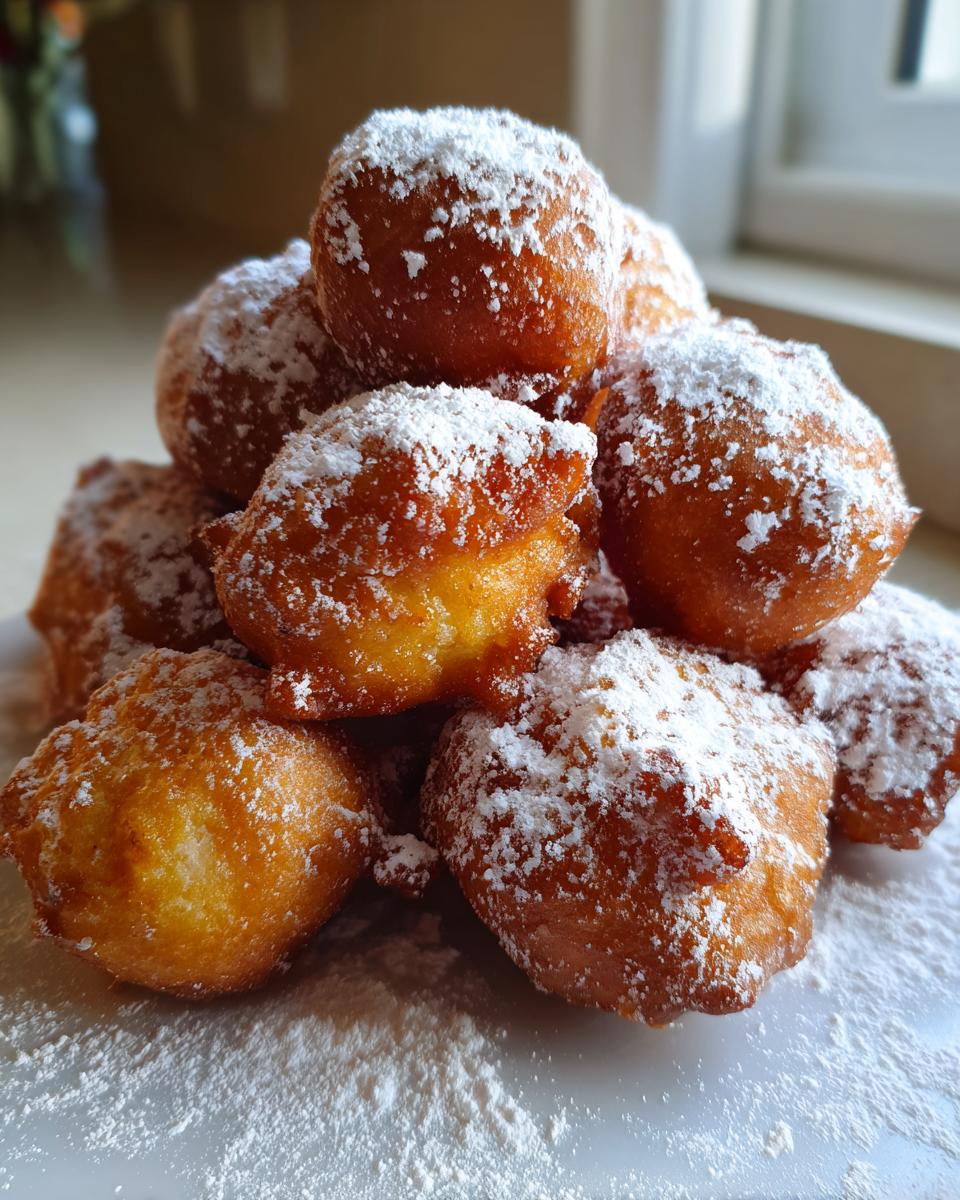
Use your slotted spoon to flip them and let the other side cook until it’s golden, too. This usually takes another three to four minutes. When they are fully puffed and golden all around, quickly fish them out and set them immediately onto that wire rack lined with paper towels. You want that excess oil dripping right off. For more tips on managing frying temperatures, you can always browse my general cooking blog archives for technique refreshers!
When you’re done frying, just before serving, take a big sieve and dust those hot traditional holiday donuts liberally with powdered sugar. Enjoy them while they’re warm!
Tips for Achieving the Best Oliebollen Texture
Getting that perfect bite—crispy shell giving way to a soft, sweet interior—is all about tiny details after the batter is done. I’ve learned that the frying time is where most people lose the battle against grease.
My main tip for guaranteeing that signature texture concentrates on the draining process. When you pull those beautiful little fried dough balls out of the oil, you need to get them onto a wire rack immediately, not just settling them onto a stack of paper towels. Paper towels look convenient, sure, but they trap steam and sit right in the oil runoff, making the bottom of your Oliebollen go soft instantly. A wire rack lets the air circulate underneath them as they cool just slightly, letting that excess oil drip away cleanly.
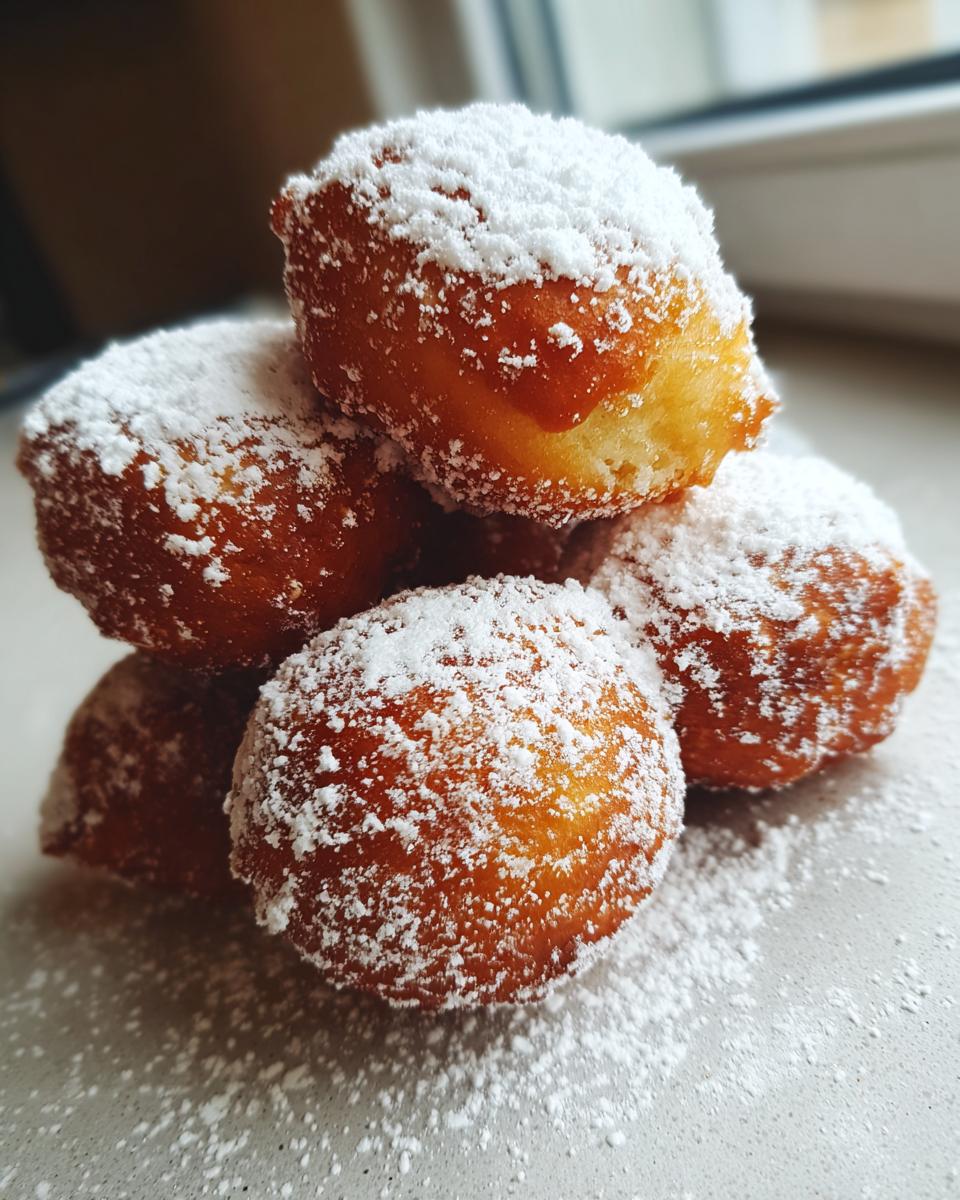
Also, remember what I said about not overmixing early on? That matters here too! A slightly lumpy but well-rested batter will always yield a lighter, fluffier interior than one you beat down until it looked perfectly smooth and uniform. Stick to the folding method, let the yeast do the heavy lifting during the rise, and you’ll have the crispiest exterior possible!
Serving and Storing Your Homemade Oliebollen
The moment they come out of the oil, you have to act fast! This next step is mandatory if you want the full experience. While the fritters are still very warm—ideally within five minutes of hitting the rack—take a large sieve and absolutely shower them with powdered sugar. The heat helps that sugar melt just a little bit, clinging perfectly to the crispy surface. It’s truly an amazing smell!
Now, if you happen to have leftovers (which is rare at my house!), you need to store them correctly. Pop any remaining fried dough into an airtight container once they are totally cool. But here’s the truth: these are best eaten the same day you fry them. Reheating them rarely gives you that perfect light texture back. If you love warm, comforting holiday sweets, you should also check out my fun recipe for my holiday hot chocolate bombs!
Frequently Asked Questions About Oliebollen Recipe
It’s normal to have a few questions when diving into a new tradition, especially something fried! Before you start scooping batter, let me clear up a few things people often ask me about making these traditional holiday donuts.
Can I use bread flour instead of all-purpose flour for Oliebollen?
That’s a great question about the flour! I stick to all-purpose flour for my standard oliebollen recipe. If you switch to bread flour, you’ll get a chewier texture because that flour has more protein. Honestly, we are aiming for that traditional, lighter, almost cake-like crumb in these Dutch New Year fritters, and all-purpose flour achieves that soft lift perfectly!
How do I prevent my Oliebollen from tasting greasy?
This is my number one concern for every person making these! The secret to avoiding greasy raisin doughnuts isn’t the batter; it’s the heat. You absolutely must maintain your oil temperature at 375°F (190°C). If your oil drops too low when you add the batter, the dough sits there soaking up oil and getting heavy before it has a chance to puff up and set. Keep that thermometer handy, and don’t overcrowd the pot!
If you love yeast-raised fried dough, you might also want to try my apple cider donut recipe sometime; it uses a slightly different process but shares that important frying lesson!
Nutritional Estimates for Traditional Oliebollen
I always like to share what I know about nutrition, though I have to be honest—when I’m making these rich, sugary treats, I’m really not looking at the labels! These traditional holiday donuts are definitely an indulgence, and the counts can shift based on how much oil they absorb or how heavily you dust them with sugar, but here is what the generic recipe breakdown shows me.
When I run the numbers for a standard serving size—which I call one delicious fritter that you probably shouldn’t eat more than two of—this is what we’re looking at:
- Serving Size: 1 fritter
- Calories: 180
- Fat: 8g (with 2g coming from Saturated Fat)
- Carbohydrates: 24g
- Protein: 4g
- Sugar: 12g
- Cholesterol: 45mg
Now, a little disclaimer from my kitchen to yours: I’m a home cook, not a registered dietitian! These numbers are calculated estimates based on the core ingredients listed in my oliebollen recipe. If you use a different type of oil, add molasses, or use extra-large eggs, those counts will change. I always tell people when estimating macros, it’s best to treat this information as a general guideline rather than a precise scientific breakdown. What I can guarantee is that they are made with real ingredients and honest effort!
Share Your Homemade Oliebollen Experience
Well, that’s it! You’ve successfully created a beautiful, traditional plate of homemade oliebollen that smell absolutely heavenly right now, I’m sure of it. Seeing those puffed, golden fritters dusted with sugar is one of my favorite moments of the entire holiday season.
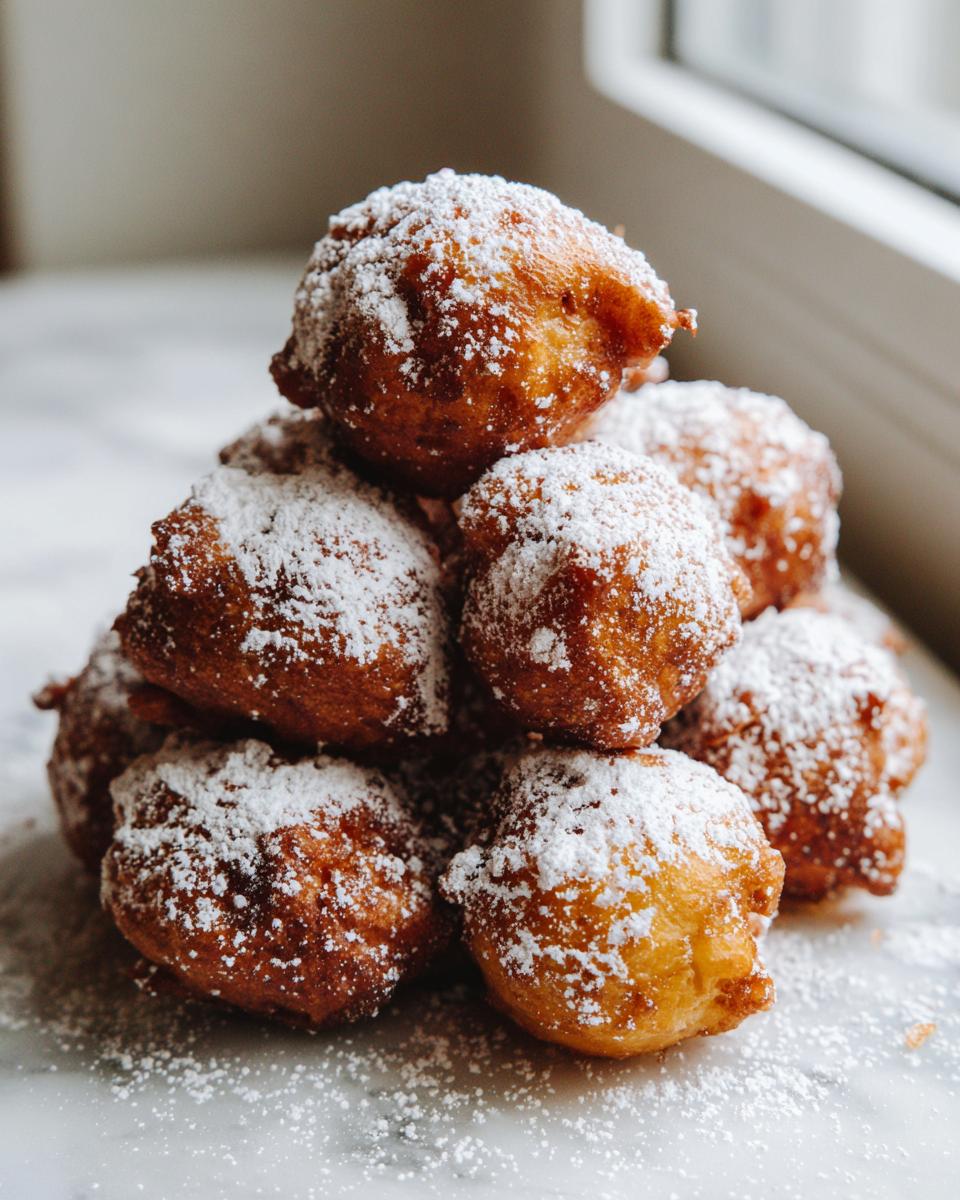
Now that you’ve brought a little piece of Dutch tradition into your kitchen, I’d absolutely love to hear about it! Did you use currants or raisins? Did the apple add the tartness I was hoping for? Please, take a moment to leave a rating and a comment down below. Hearing your feedback helps me know that my tried-and-true methods are working for your family, too—it really builds the trust in our little cooking community here.
And if you snapped a picture of your perfect batch of traditional holiday donuts, please share it on social media! Tag me so I can see your spectacular results. If you have any complicated questions that the FAQ didn’t cover, you can always reach out directly through my contact page. Happy New Year, and happy frying!
PrintHomemade Oliebollen: Traditional Dutch New Year Fritters
Make light, fluffy Oliebollen, the classic Dutch raisin doughnuts, perfect for ringing in the New Year with a warm, sweet, fried treat.
- Prep Time: 20 min
- Cook Time: 20 min
- Total Time: 1 hour 40 min
- Yield: About 18 fritters 1x
- Category: Dessert
- Method: Deep Frying
- Cuisine: Dutch
- Diet: Vegetarian
Ingredients
- 1 cup whole milk, lukewarm
- 2 1/4 teaspoons active dry yeast
- 1/4 cup granulated sugar, plus 1 teaspoon for yeast
- 2 1/2 cups all-purpose flour
- 1/2 teaspoon salt
- 2 large eggs, lightly beaten
- 1/2 cup raisins or currants
- 1/2 cup chopped apple (optional)
- Vegetable oil, for deep frying
- Powdered sugar, for dusting
Instructions
- Warm the milk until lukewarm. In a small bowl, dissolve 1 teaspoon of sugar and the yeast in the milk. Let stand for 5 to 10 minutes until foamy.
- In a large bowl, whisk together the flour and salt.
- Pour the yeast mixture and the remaining 1/4 cup of sugar into the flour mixture. Mix until just combined.
- Stir in the beaten eggs. Mix until you have a smooth, thick batter.
- Gently fold in the raisins and chopped apple, if using.
- Cover the bowl with plastic wrap and let the batter rise in a warm place for 1 to 1.5 hours, or until doubled in size. This rising time is key for light fritters.
- Pour vegetable oil into a deep, heavy-bottomed pot or Dutch oven to a depth of about 3 inches. Heat the oil to 375 degrees Fahrenheit (190 degrees Celsius). Use a thermometer to check the temperature; proper heat prevents soggy results.
- Using two spoons, drop rounded tablespoons of batter into the hot oil, being careful not to overcrowd the pot.
- Fry the Oliebollen for 3 to 4 minutes per side, turning them until they are puffed and golden brown all over.
- Remove the fritters with a slotted spoon and place them on a wire rack lined with paper towels to drain excess oil.
- While still warm, generously dust the Oliebollen with powdered sugar before serving.
Notes
- For the best texture, do not overmix the batter after adding the flour. A few small lumps are fine.
- If you are planning your weekly meals, making these on a weekend can save time during a busy week, unlike relying on meal planning services.
- If you prefer not to use raisins, you can substitute dried cranberries or omit the fruit entirely.
Nutrition
- Serving Size: 1 fritter
- Calories: 180
- Sugar: 12
- Sodium: 110
- Fat: 8
- Saturated Fat: 2
- Unsaturated Fat: 6
- Trans Fat: 0
- Carbohydrates: 24
- Fiber: 1
- Protein: 4
- Cholesterol: 45