 Skip to content
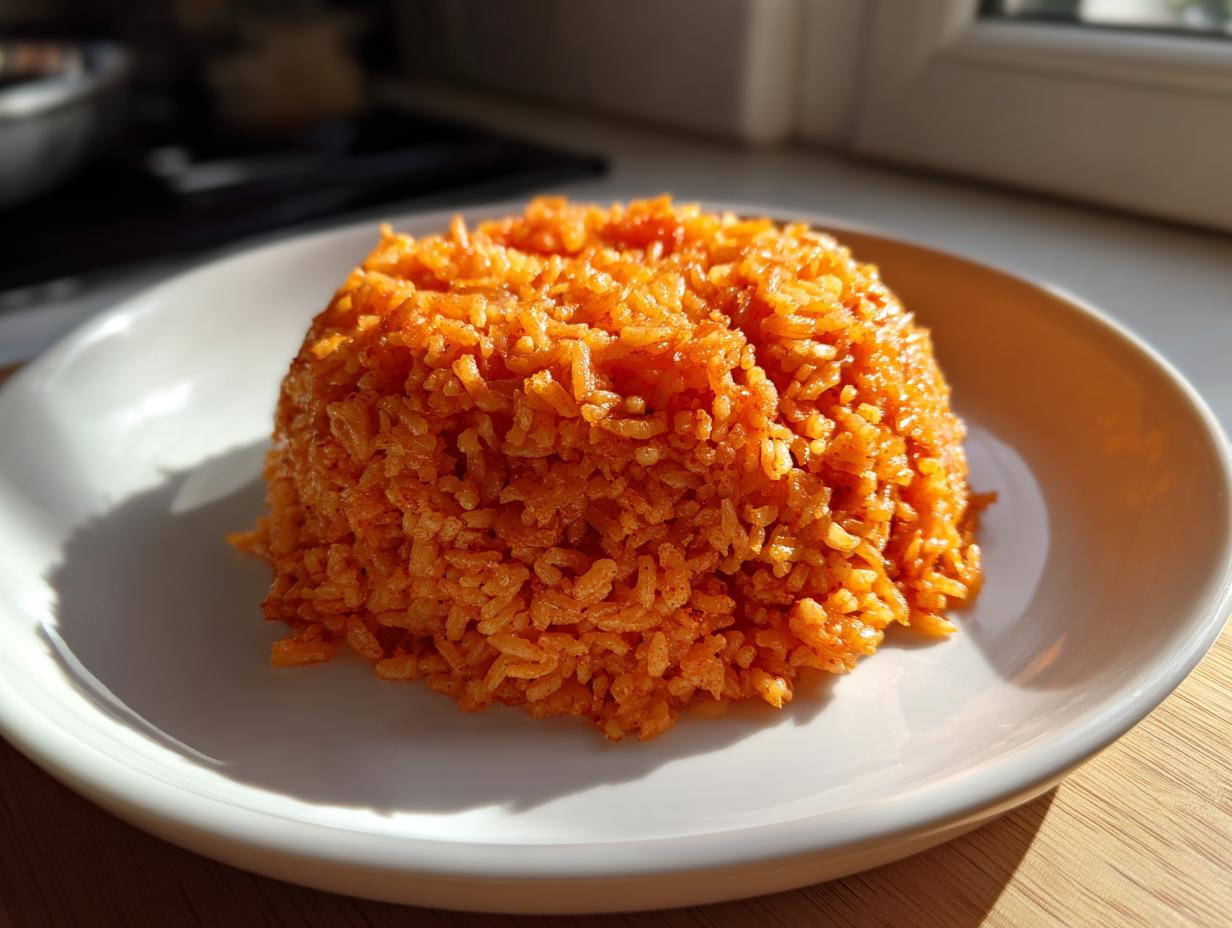

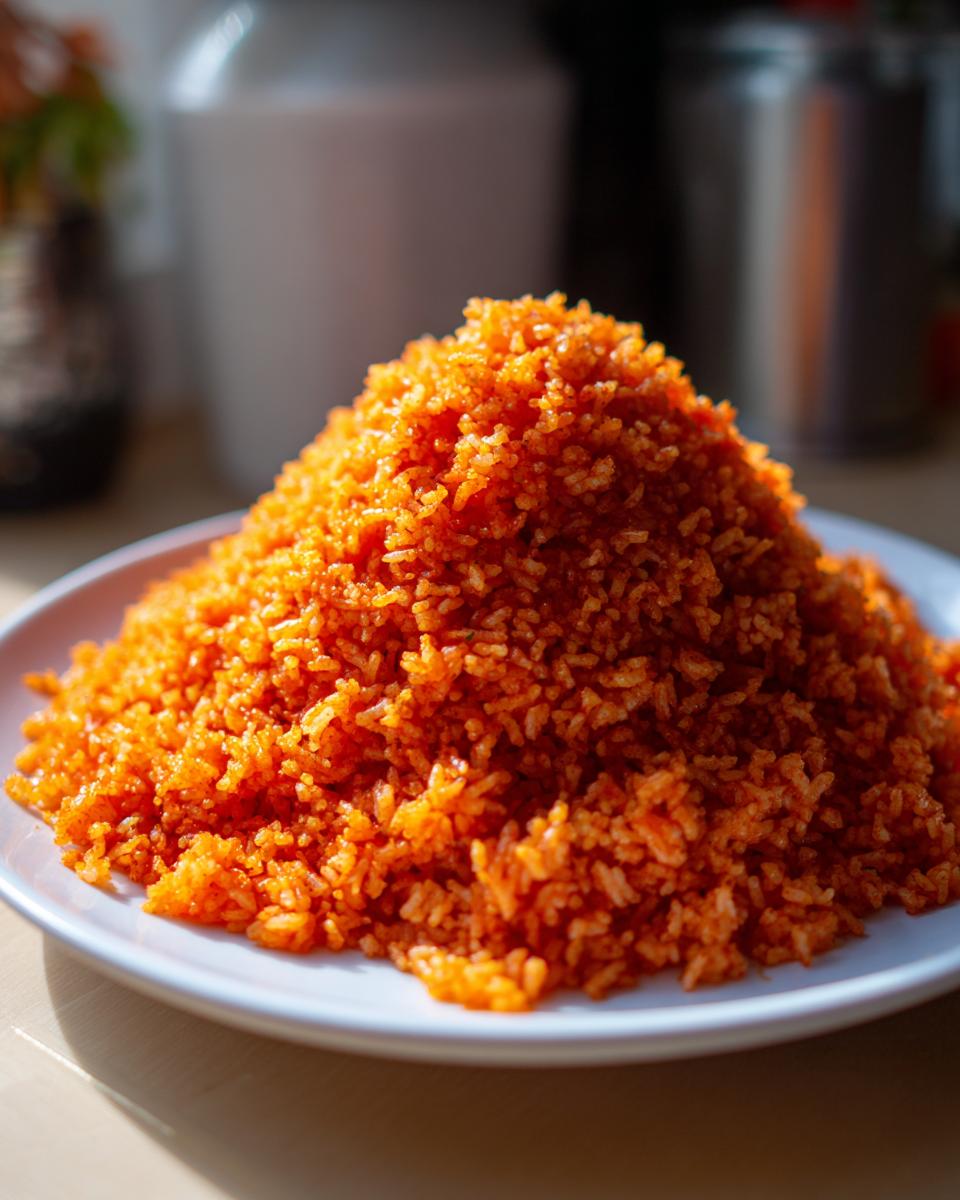
Kwanzaa is such a beautiful time for focus—unity, celebration, and remembering where we come from. And honestly, you can’t have a proper family gathering without some incredible food that truly speaks to the spirit of the occasion! That’s why I’m so excited to share my version of Kwanzaa Jollof rice. This isn’t just a side dish; it’s a vibrant centerpiece that ties right into Kuumba (creativity) and Umoja (unity) by bringing that unmistakable taste of West African celebration straight to your table.

Like my family’s traditions, this rice recipe is built on love and many hours spent tasting and testing. As someone who learned cooking at my grandmother’s knee—you can read more about my journey right here—I know that real flavor takes patience. This tomato rice dish is rich, slightly spicy, and fragrant, exactly how African holiday meals should taste. Get ready to impress everyone!
- Why This Kwanzaa Jollof Rice Recipe Honors Tradition
- Ingredients for the Perfect Kwanzaa Jollof Rice
- Step-by-Step Instructions for Kwanzaa Jollof Rice
- Tips for Success with Your Fragrant, Spicy Jollof Rice
- Serving Suggestions for Your Kwanzaa African Recipe
- Storage and Reheating Instructions for Kwanzaa Jollof Rice
- Frequently Asked Questions About Jollof Rice Recipe
- Estimated Nutritional Data for This Kwanzaa Jollof Rice
- Share Your Kwanzaa Culinary Creations
Why This Kwanzaa Jollof Rice Recipe Honors Tradition
When I look at the principles of Kwanzaa, especially Umoja, or unity, I think about sharing food that connects us all. This Jollof rice recipe is central to many West African celebrations, making it the perfect anchor for our table. The authenticity comes from building flavor slowly—that deep, savory tomato base seasoned just right with thyme and curry powder.
It’s all about that signature texture, too! The steaming technique is non-negotiable for true West African party rice. If you don’t get that slightly firm grain structure, you’ve missed the mark. I love seeing this vibrant red dish become the star of the show.
Bringing West African Party Rice to Your Kwanzaa Table
Jollof rice is meant for sharing, community, and friendly debates about who got the recipe right! This dish brings that communal joy right into the celebration. We achieve that deep, smoky essence—the thing everyone raves about—by using that little piece of aluminum foil over the pot before putting the lid on.
Trust me, that trick traps the steam just right to give you those slightly caramelized, smoky bits at the bottom that everyone fights over. It’s simple, but wow, does it make a difference in this Kwanzaa Jollof rice!
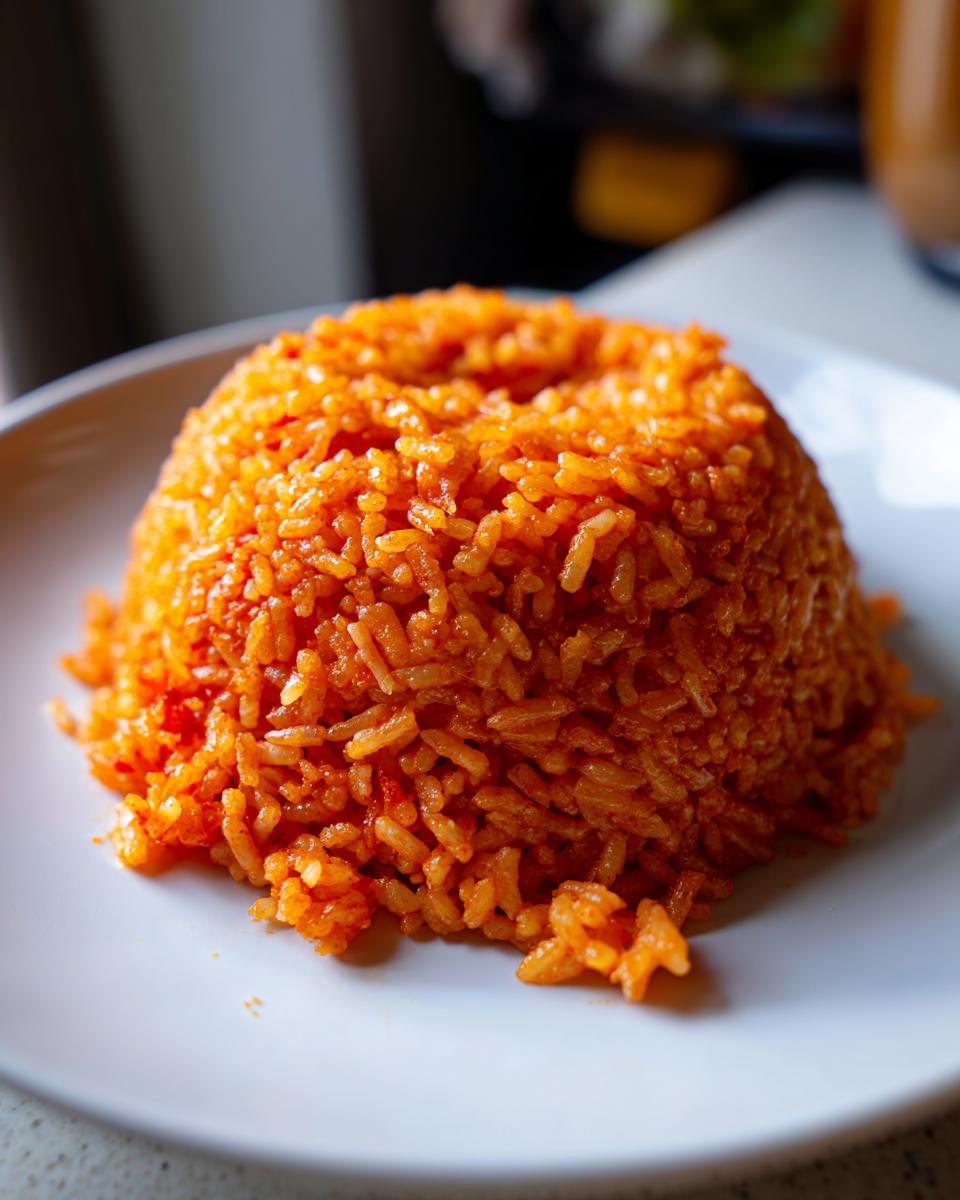
Ingredients for the Perfect Kwanzaa Jollof Rice
Getting the ingredients right is half the battle with any great tomato rice dish, and Jollof is no exception! You need fresh components for that bright, authentic flavor. I’ve listed exactly what you need below. Please read the preparation notes carefully; we’re blending some things and chopping others, and rinsing the rice right at the start is super important!
- 2 cups long-grain parboiled rice
- 1 large onion, chopped
- 4 medium ripe tomatoes
- 2 red bell peppers
- 1-3 Scotch bonnet peppers (adjust to your heat preference)
- 1/4 cup tomato paste
- 4 cups chicken or vegetable stock
- 1/2 cup vegetable oil
- 2 teaspoons dried thyme
- 1 teaspoon curry powder
- 2 bay leaves
- Salt to taste
- 1 teaspoon ground white pepper
- 1 small piece of aluminum foil
Ingredient Notes and Substitutions for Your Tomato Rice Dish
Listen, the type of rice matters here. I always use long-grain parboiled rice because it holds its shape beautifully during that long simmer and steaming process without turning to mush. If you can’t find it, use any long-grain, but rinse it like your life depends on it!
Now, about the Scotch bonnets—please start small! You can always add heat later, but you can’t take it out. If you are sensitive to spice, use just one or even skip it and add cayenne pepper to your portion instead. For the stock, if you need a vegan option, vegetable stock works perfectly fine here, as the flavor foundation is built in the pepper sauce, not just the stock.
Step-by-Step Instructions for Kwanzaa Jollof Rice
Okay, let’s get cooking! This is where the magic happens, and I promise, if you follow these steps closely, you’ll have the best West African party rice you’ve ever made. The process is simple, but timing is key for that incredible color and aroma. If you’re looking for more weeknight inspiration after Kwanzaa, you can peek at my weeknight collection!
Building the Flavor Base: The Pepper Sauce
First things first: rinse that rice thoroughly until the water looks totally clear. That helps keep the grains separate later! Now, we tackle the sauce. Blend your tomatoes, bell peppers, onion, and those hot Scotch bonnets until you have a beautiful, smooth puree. Next, grab your heavy pot or Dutch oven and heat that vegetable oil over medium heat. This next step is crucial: add your tomato paste and fry it for about 5 minutes. You want it to darken slightly—this deepens the tomato flavor so much! Then, pour in your blended pepper mixture. Add the thyme, curry powder, bay leaves, pepper, and salt. Bring this whole beautiful mess to a simmer and let it cook down for a solid 15 to 20 minutes. Keep stirring now and then until you see the oil start floating up on top. That means the water has cooked out!
Cooking the Kwanzaa Jollof Rice Perfectly
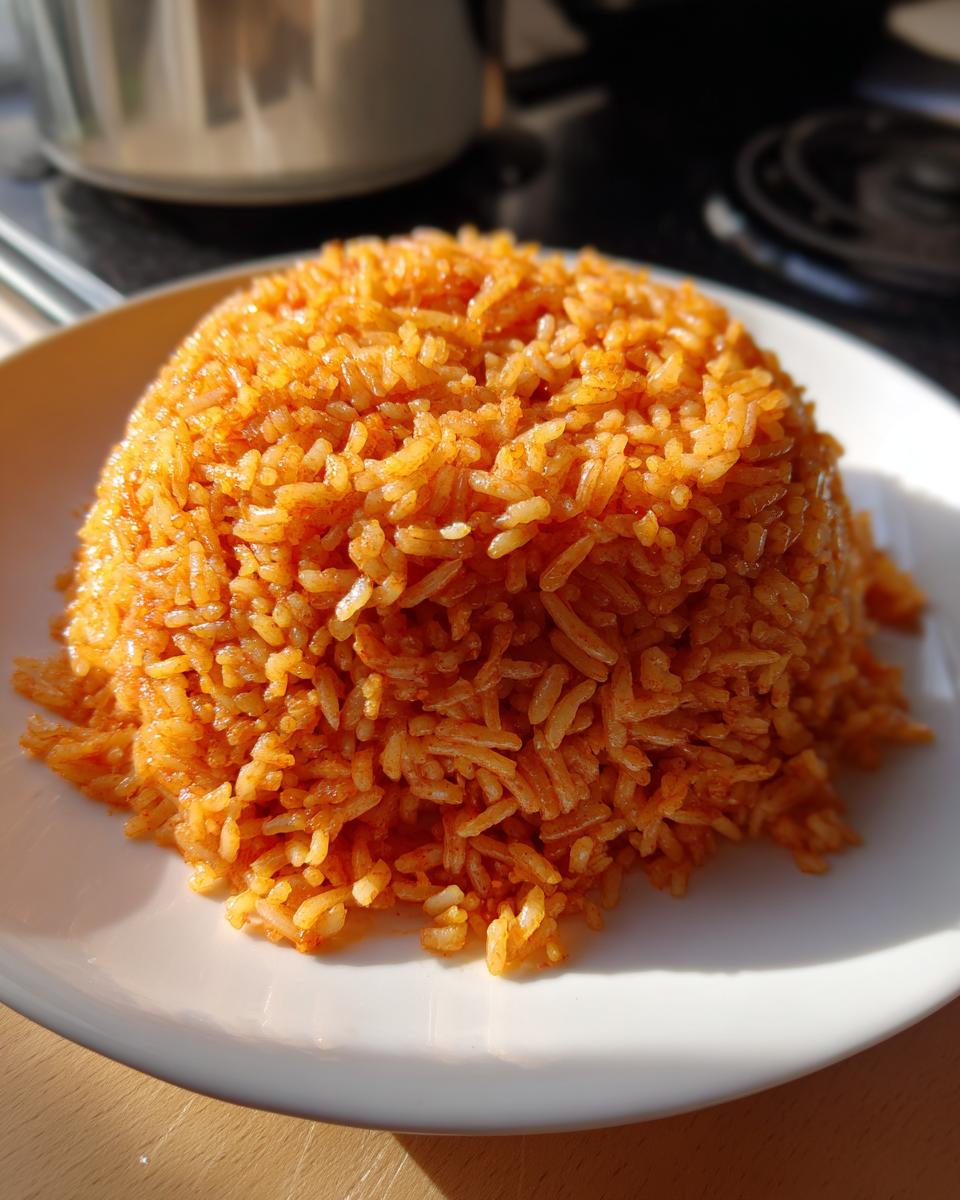
Once your sauce is rich and reduced, pour in your 4 cups of stock and bring it all up to a boil. Now, stir in your rinsed rice, making sure it’s totally submerged. The liquid should cover the rice just barely—if it looks too dry, add a splash more stock or water. Reduce your heat way down to low. This is my favorite part: cover the pot tightly with a lid, but place a small piece of aluminum foil between the sauce and the lid first. That trick gives us that signature smoky taste! Let it steam completely undisturbed for 25 to 35 minutes. Do NOT stir it! After that time, check a few grains. If it’s tender, turn off the heat and let it rest, covered, for 5 more minutes. Fluff gently with a fork to finish, and pull out those bay leaves!
Tips for Success with Your Fragrant, Spicy Jollof Rice
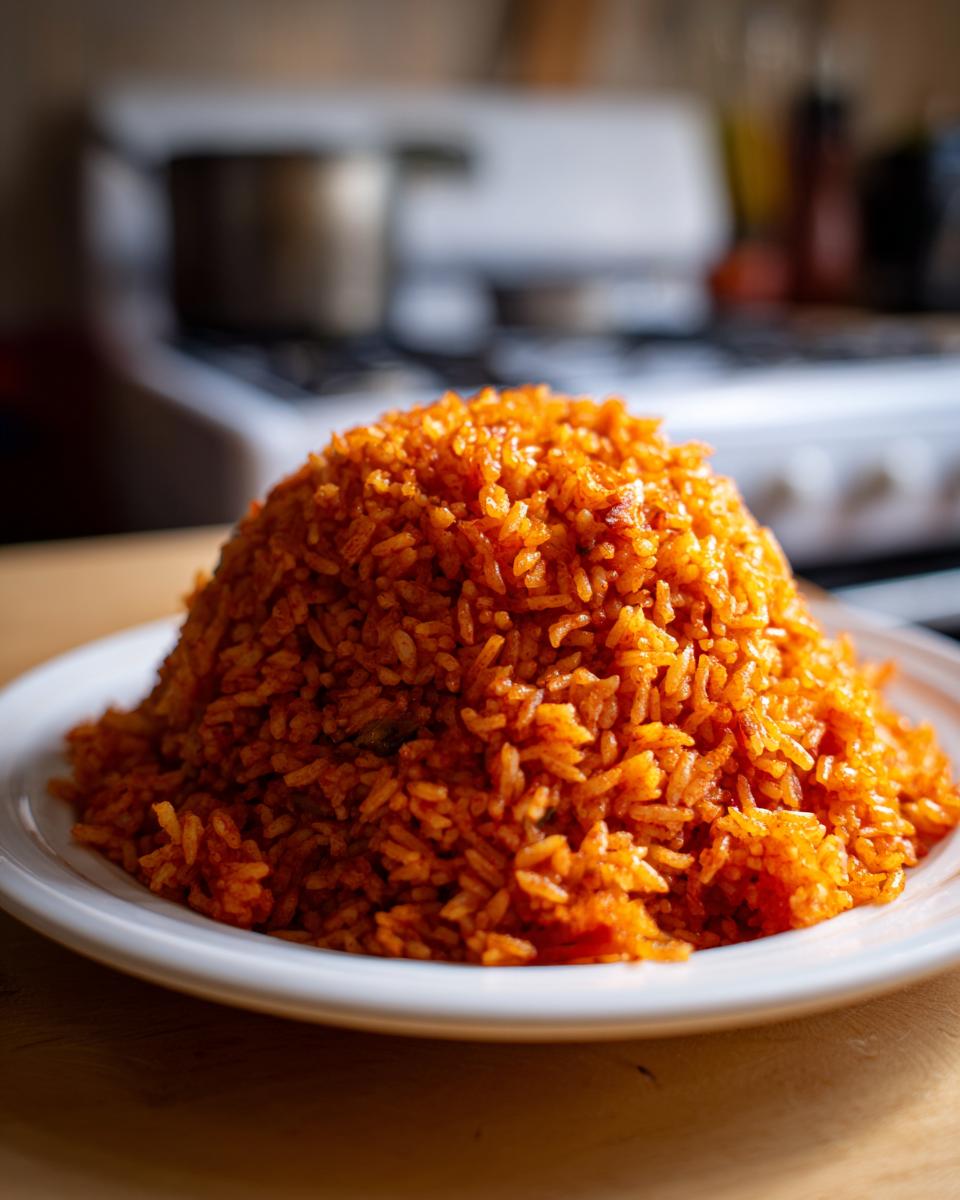
Honestly, when making Jollof rice, the biggest fear everyone has is ending up with mushy rice or, worse, burnt rice stuck firmly to the bottom of the pan! We want perfect, separate grains that soak up that amazing tomato flavor. I’ve run this kitchen long enough to know exactly where things can go wrong, and I’ve got some easy fixes ready for you.
The single best way to avoid that soggy texture is all about the liquid ratio and patience. Once you add the rice and bring the liquid up to a boil, you must resist the urge to stir it while it steams. Stirring releases the starch and that’s what turns your beautiful rice into porridge. We’re aiming for firm grains, remember?
Another thing: temperature control! After you cover it with the foil and the lid, that heat needs to stay low—*low*. Too high, and the bottom scalds while the top stays hard. If it looks like it’s cooking too fast, lift the lid briefly (handle it quickly!) to check. If you feel like you’re struggling to find balance, it might be time to look at some kitchen tools that help with heat management, or maybe look into my story about finding joy in the kitchen instead of stressing over timing!
If you are worried about burning while steaming, try my little secret: when you check the rice near the end, if it’s mostly done but not quite tender, only add water near the edges of the pot, not directly onto the rice. This creates little pockets of steam without stirring up the rice at the bottom. It’s these little tweaks that take a good Kwanzaa Jollof rice and make it absolutely unforgettable.
Serving Suggestions for Your Kwanzaa African Recipe
This vibrant Kwanzaa Jollof rice is definitely a star on its own, but every great dish deserves a few friends on the plate, especially for a celebration focused on community and abundance! We’re talking about hearty sides that soak up any extra tomato sauce left clinging to the rice.
When planning my Kwanzaa menu, I always try to balance the richness of the Jollof with something fresh or protein-heavy. If you’re looking for ideas for other recipes that can round out this main dish, I have a whole section dedicated to simple side dishes that won’t take up all your oven space!
Here are a few pairings I always come back to when serving my spicy tomato rice dish:
- Fried Plantains (Dodo): You absolutely cannot host a West African party without these! The sweetness of the caramelized plantains is the perfect counterpoint to the heat in the Jollof. Just slice them thick and fry until golden brown. Simple perfection.
- Kachumbari Salad: This is a fresh, vibrant tomato and onion salad, usually seasoned simply with lime juice and a little seasoning. It cuts through the richness of the rice beautifully and adds color to the plate. It’s bright and cleansing!
- Roasted Chicken or Fish: If you’re looking to add protein, I often roast a whole chicken seasoned heavily with ginger, garlic, and maybe a little smoked paprika to echo the Jollof’s profile. Keep the seasoning simple so it doesn’t compete with the main dish.
- Steamed Greens: Think collard greens or kale, lightly seasoned with just a bit of salt and maybe a dash of vinegar or lemon. It adds a needed earthy green element to ensure the plate isn’t just shades of red and gold!
No matter what you serve alongside this Kwanzaa Jollof rice, the main goal is abundance and flavor. Make sure you serve it hot, scoop generously, and enjoy the conversation!
Storage and Reheating Instructions for Kwanzaa Jollof Rice
We all know that leftover Jollof rice is often even better the next day—the flavors have time to really sink into those grains. But we have to store it correctly so that Kwanzaa treat doesn’t go bad!
First, don’t leave those leftovers sitting on the counter for too long. Food safety is important, even when it comes to the best West African party rice. Once the rice has cooled down a bit after dinner, you want to get it into the fridge within two hours. Divide it into smaller, airtight containers. This helps it chill faster, which is better for preventing bacteria growth. Stored properly in the refrigerator, this spicy tomato rice dish should be great for about three to four days.
Now for reheating—this is where some people mess up and turn their amazing Jollof back into mush! Since this tomato rice dish cooks by steaming, you need to reintroduce a little steam when you warm it up. If you’re reheating a big batch, the stovetop is always my go-to choice.
Grab your pot again, add the leftover rice, and put maybe one or two tablespoons of water or stock for every cup of rice you’re heating. You just need enough moisture to create steam. Cover it tightly—you might want to use that aluminum foil trick again here!—and set the heat to low. Let it warm up slowly without stirring until it’s steaming hot all the way through. If you’re just nuking a single serving in the microwave, still toss in just a tiny splash of water before covering it with a damp paper towel. It keeps that fragrant, spicy Jollof rice from drying out in the microwave.
If you happen to make a huge batch and think you won’t finish it in four days, freezing is a great option! Make sure the rice is completely cool first, pack it into freezer-safe bags or containers, and this Kwanzaa Jollof rice will keep its flavor for about three months. Thaw it overnight in the fridge before following the stovetop reheating method. That way, you get that wonderful holiday taste anytime you want!
Frequently Asked Questions About Jollof Rice Recipe
Because this Kwanzaa Jollof rice recipe means so much to me, I get asked lots of questions about technique and tradition. It’s natural because Jollof rice is such a passionate topic across West Africa! I want to make sure your experience creating this wonderful **tomato rice dish** is perfect, so let’s cover the basics.
Can I make this Kwanzaa Jollof rice completely vegan?
Oh, absolutely you can! That’s one of the joys of making this at home—you control everything. Since the recipe already lists chicken or vegetable stock as an option, swapping them out for vegetable stock takes care of the main liquid component. If you are avoiding all dairy and eggs in other dishes, this rice recipe is naturally free of those things. The depth of flavor actually comes from frying the tomato paste until it darkens, so you don’t lose that richness just by skipping meat stock. It turns into a fantastic, hearty **Kwanzaa African recipe** that everyone can enjoy.
What makes this tomato rice dish smoky?
That smoky flavor in authentic **Jollof rice recipe** is legendary, right? People often think you need a wood fire to get it, but you don’t! In my instructions, you’ll see I tell you to place a small piece of aluminum foil over the pot opening right before you put the lid on to steam the rice. That foil traps steam while allowing a tiny, tiny bit of moisture to escape, which concentrates the heat and flavor on the bottom layer of rice—that is where the magic happens!
When that rice touches the hot base of the pot, it lightly toasts and caramelizes just enough to give you that authentic, slightly fire-kissed taste without burning the whole pot. It’s a trick I learned from a sweet friend in Accra years ago, and I swear by it every time I make my **West African party rice**!
How do I avoid soggy rice like I’ve had before?
Soggy rice is the cardinal sin of Jollof! It usually happens for two reasons: too much liquid or too much stirring. You must use long-grain parboiled rice—it’s structured to withstand the cooking process better than basmati or regular long-grain. Also, once you add the rinsed rice to the boiling sauce, you bring it to a boil, then IMMEDIATELY reduce the heat to low and DO NOT TOUCH IT for 25 minutes. That undisturbed steaming cooks the rice evenly. If you stir while it’s cooking, you’re activating the starch, and that’s what turns it into mush. Be patient, and you’ll get those perfect, separated grains we all want!
If you have any other burning questions as you get ready for your Kwanzaa celebration, please don’t hesitate to reach out through my contact page. Happy cooking!
Estimated Nutritional Data for This Kwanzaa Jollof Rice
I know that when we are cooking for celebrations like Kwanzaa, we are focused on culture and celebration, but it’s still smart to know what you’re serving your family! Providing nutritional estimates helps you plan the rest of your feast, especially if you are trying to balance out a big meal.
I always say cooking from scratch gives you full control, but recipes with this many wonderful ingredients can swing a bit depending on your exact stock or how much oil you use. Please take these numbers below as a very good estimate, based on how I prepare my **Kwanzaa Jollof rice** with the ingredients listed. This transparency is just part of how I try to share reliable recipes!
- Serving Size: 1 cup cooked
- Calories: 350
- Fat: 10g
- Saturated Fat: 1.5g
- Trans Fat: 0g
- Cholesterol: 0mg
- Sodium: 450mg
- Carbohydrates: 58g
- Fiber: 3g
- Sugar: 6g
- Protein: 8g
The great news is this **West African party rice** is naturally cholesterol-free since it contains no animal products if you use vegetable stock, which I highly recommend for an everyday Kwanzaa setting! It offers a solid base of carbohydrates for energy to keep the celebration going, and a decent boost of protein for a rice dish. Since we are focusing on Kuumba (creativity), feel free to adjust the oil slightly down if you need to watch the fat content, but remember, that oil is key to helping that tomato paste ripen and deepen in flavor!
Share Your Kwanzaa Culinary Creations
Wow, we made it! I truly hope this recipe brings that fragrant, festive spirit of West Africa to your Kwanzaa table. Cooking culturally rich food like this *Kwanzaa Jollof rice* is one of the best ways to celebrate Umoja—unity—and connection.
I pour my heart into testing these recipes so you don’t have to stress in the kitchen. Now that you’ve made this incredible tomato rice dish, I’d absolutely love to hear what you think! Did you adjust the heat? How did your family enjoy this West African party rice?
Please leave a rating below and share your experience in the comments. Your feedback helps me keep providing reliable recipes for everyday meals. If you took a gorgeous photo of your finished Kwanzaa Jollof rice, please tag me on social media! I always love seeing my recipes come to life in your homes. And just so you know, I take your privacy as seriously as I take my spice levels; you can always read my full policy here.
Thank you for letting me share a piece of my kitchen tradition with yours this season. Happy Kwanzaa!
PrintKwanzaa Jollof Rice

Make this fragrant, spicy West African Jollof rice dish for your Kwanzaa celebration. This tomato-based rice recipe honors African heritage and brings bold flavor to your table.
- Prep Time: 20 min
- Cook Time: 50 min
- Total Time: 70 min
- Yield: 6 servings 1x
- Category: Main Dish
- Method: Stovetop Simmering
- Cuisine: West African
- Diet: Vegetarian
Ingredients
- 2 cups long-grain parboiled rice
- 1 large onion, chopped
- 4 medium ripe tomatoes
- 2 red bell peppers
- 1–3 Scotch bonnet peppers (adjust to your heat preference)
- 1/4 cup tomato paste
- 4 cups chicken or vegetable stock
- 1/2 cup vegetable oil
- 2 teaspoons dried thyme
- 1 teaspoon curry powder
- 2 bay leaves
- Salt to taste
- 1 teaspoon ground white pepper
- 1 small piece of aluminum foil
Instructions
- Rinse the rice under cold water until the water runs clear. Set the rice aside.
- Prepare the pepper base: Blend the tomatoes, bell peppers, onion, and Scotch bonnet peppers until smooth.
- Heat the vegetable oil in a large, heavy-bottomed pot or Dutch oven over medium heat. Add the tomato paste and fry for about 5 minutes, stirring constantly, until it darkens slightly. This deepens the flavor.
- Pour the blended pepper mixture into the pot. Add the thyme, curry powder, bay leaves, white pepper, and salt. Stir well.
- Bring the sauce to a simmer and cook for 15 to 20 minutes, stirring occasionally, until the sauce has reduced and the oil starts to float to the top. This step builds the flavor foundation.
- Add the chicken or vegetable stock to the sauce and bring it to a boil.
- Stir in the rinsed rice, making sure it is evenly distributed in the liquid. The liquid should just cover the rice; if it does not, add a little more stock or water.
- Reduce the heat to low. Cover the pot tightly with a lid. For a slightly smoky flavor, place a small piece of aluminum foil over the pot opening before placing the lid on top.
- Allow the rice to steam and cook undisturbed for 25 to 35 minutes. Do not stir during this time.
- After 30 minutes, check the rice. If it is tender, turn off the heat. If it is still hard, add a few tablespoons of water, cover tightly again, and cook for another 5 to 10 minutes.
- Once cooked, remove the lid and foil. Use a fork to fluff the rice gently. Let it rest, covered, for 5 minutes before serving. Discard the bay leaves.
Notes
- For a richer flavor, you can use smoked paprika along with the curry powder.
- If you are looking for simple recipes for everyday meals, this dish fits well into a busy schedule if you prep the sauce ahead of time.
- This recipe is a great way to practice Kuumba (creativity) by adjusting the heat level to your liking.
Nutrition
- Serving Size: 1 cup cooked
- Calories: 350
- Sugar: 6
- Sodium: 450
- Fat: 10
- Saturated Fat: 1.5
- Unsaturated Fat: 8.5
- Trans Fat: 0
- Carbohydrates: 58
- Fiber: 3
- Protein: 8
- Cholesterol: 0