 Skip to content


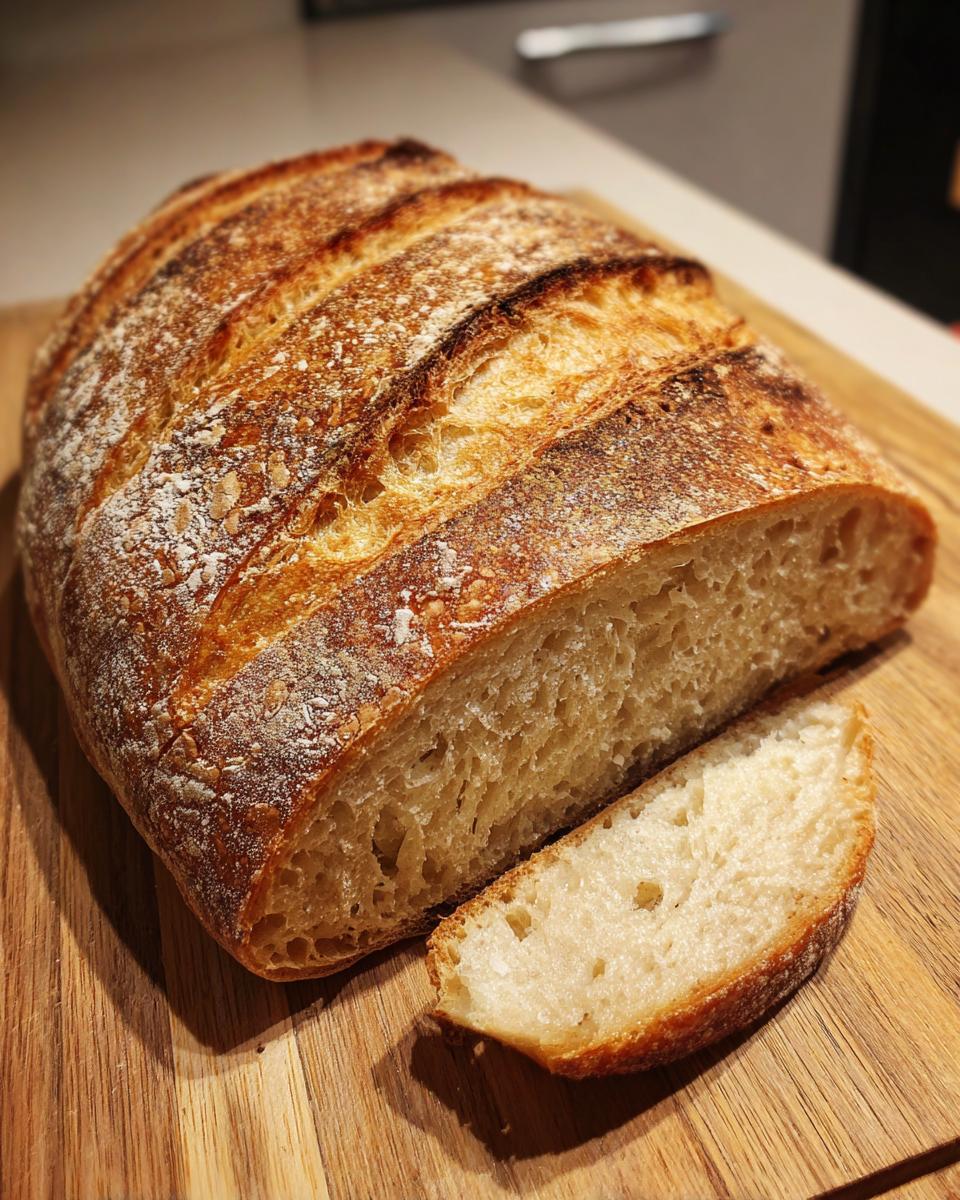
Oh, friends, let me tell you—there is nothing, absolutely nothing, that beats the smell of bread baking in your own kitchen. It’s instant coziness, right? If you’ve been scrolling through endless complicated recipes wishing you could achieve that perfect bakery-style loaf without spending all day wrestling the dough, I hear you! That’s why I’m sharing what I think is the best italian bread recipe out there. This isn’t some complicated artisan bake that needs a whole philosophy degree to understand. This is my tried-and-true method for achieving that glorious, deep golden, wonderfully crusty exterior wrapping around a soft, airy crumb. Believe me, I’ve spent years perfecting these easy, reliable home recipes, and this loaf is pure comfort! I hope you enjoy this and check out more of my favorites over at the Carla’s Cooking recipe index!

- Why You Will Love This Easy Italian Bread Recipe
- Ingredients for Your Homemade Crusty Italian Bread Recipe
- How to Make Italian Bread: Step-by-Step Instructions
- Tips for Success When Baking Italian Bread
- Italian Herb Cheese Bread Variations
- Serving Suggestions: The Best Bread for Italian Meals
- Storage and Reheating Instructions for Your Italian Bread
- Frequently Asked Questions About Homemade Italian Bread
- Baking Italian Bread for Family Comfort Food Baking
Why You Will Love This Easy Italian Bread Recipe
I know what you’re looking for: a simple approach that delivers show-stopping results. This recipe proves you don’t need fancy equipment or a weekend just to get one amazing loaf of italian bread on your table. It’s the perfect weeknight side dish!
- It delivers that satisfying crackle when you tap the bottom.
- The inside is light, airy, and perfect for soaking up sauce.
- It uses common pantry staples, so you can whip it up anytime.
Achieving the Perfect Crusty Italian Bread Texture
This is my favorite part! We are aiming for that beautiful, sturdy crust that shatters just a little when you slice it. But don’t worry, even with that crunchy outside, the interior crumb stays wonderfully soft and almost fluffy. It’s truly the best texture for dinner bread.

Simple Steps for Baking Italian Bread at Home
If you are new to baking, listen up! This recipe is designed to be incredibly straightforward. It falls into that wonderful category of easy artisan bread. You mix it up, let it rest, and then bake it. You’ll be amazed at how easy it is to bake italian bread successfully, even as a beginner!
Ingredients for Your Homemade Crusty Italian Bread Recipe
When making italian bread, the ingredients are simple, which means the quality really matters! Don’t feel intimidated; these are just pantry staples, but make sure you measure them right. We’re using flour, yeast, salt, sugar, and, of course, some good olive oil to give this loaf flavor richness.
Ingredient Notes and Substitutions
The water temperature is critical here for activating that yeast! It needs to be warm—think bath water, around 105 to 115°F. If it’s too hot, you’ll kill your yeast, and we won’t get that beautiful rise. Also, feel free to be creative! If you want to follow my notes and make that amazing version, just mix 1 tablespoon of dried Italian herbs and about 1/2 cup of shredded mozzarella into the dough right before the first rest. Trust me, it makes the whole kitchen smell incredible!
How to Make Italian Bread: Step-by-Step Instructions
Okay, this is where the magic happens! Don’t panic about the rising times; just set a timer and trust the process. Baking this italian bread is mostly hands-off, but those few active minutes are important. Active voice is key here—you are in charge of this dough!
Activating the Yeast and Mixing the Italian Bread Dough
First things first, we wake up that yeast! Mix your warm water, sugar, and yeast together in a small bowl. Seriously, wait that full 5 to 10 minutes until it looks foamy and bubbly on top. That foam means your yeast is alive and ready to work its magic. If it’s flat, you have to start fresh with hotter water. Once it’s foamy, whisk your flour and salt in a big bowl, then pour in the yeast mix and the olive oil. Just stir it with a wooden spoon until it barely comes together into a sticky, messy ball. Don’t even think about kneading it yet!
Proofing and Shaping Your No Knead Italian Loaf
We need two big rests here. Slap that shaggy dough into an oiled bowl, cover it up tight, and let it sit somewhere cozy for about an hour and a half, or until it’s doubled. Once it’s puffed up, gently punch the air out—be gentle! Turn the dough onto a lightly floured counter and gently coax it into the shape you want, maybe a long oval for a classic look. Pop it on your prepared baking sheet, cover it loosely again, and let it take a nap for 30 minutes for its second rise. This is key for a beautiful no knead Italian loaf!
Baking Italian Bread for a Perfect Crusty Loaf Tutorial
Time to crank up that heat! Preheat your oven to 425°F about 20 minutes before that second rise finishes. Now, for the authority-building secret: steam! Put a pan on the bottom rack while it preheats. Right before the italian bread goes in, score the top a few times with a sharp knife—those slashes help it expand evenly. Carefully pour a cup of hot water into that bottom pan—watch out for the steam!—and rush the loaf into the oven. That burst of steam keeps the crust soft enough to expand fully before hardening into that beautiful crackly shell you crave. Bake until deep golden brown, usually 25 to 35 minutes. You can check out how Yana gets her crusty Italian bread recipe just right too!

Tips for Success When Baking Italian Bread
Honestly, baking bread is mostly about patience and paying attention to a few simple cues. You don’t need magic, you just need a little know-how! Since this recipe relies on yeast and steam to get that amazing texture, following these few tips will make sure your loaf comes out fantastic, every single time.
If you’ve already tried my guide on easy artisan bread recipes, you know I love a good Dutch oven, and it’s a complete game-changer for crust! If you have one, use it! Pop that empty Dutch oven into the oven while it preheats. When your dough is ready for baking, carefully drop it right into the hot pot, cover it, and bake for 20 minutes. Removing the lid after that traps all that steam inside, giving you that professional-level crispiness.
Another thing I learned over the years is cooling—it’s just as important as baking! When your italian bread comes out of the oven golden brown, you absolutely must move it immediately to a wire cooling rack. Don’t just leave it on the counter or a cutting board. If you do, the escaping steam gets trapped underneath, and you’ll end up with a soggy bottom crust, and nobody wants that sad ending!
Finally, a big word on scoring: those diagonal slashes aren’t just for looks, though they certainly make the loaf gorgeous. They are release valves! Make them about a quarter-inch deep, and make sure your knife or razor blade is sharp. If you try to score with a dull knife, you’ll just smoosh the dough down instead of guiding its expansion. Make those cuts quickly and confidently just before it hits the oven steam!
Italian Herb Cheese Bread Variations
Now, while I absolutely adore the classic, simple charm of a plain, crusty italian bread—perfect for dipping into good quality olive oil, by the way—I know sometimes you want to jazz things up a little! My notes hinted at an optional upgrade that is just divine, especially if you’re planning on eating this bread alongside something like pasta or a soup. We’re talking about transforming this simple yeast bread into an Italian Herb Cheese Bread. It takes maybe two extra minutes, but the payoff in flavor is huge!
This modification fits right into the easy baking category, so don’t think this version requires more kneading or extra rising time. Absolutely not! You simply incorporate these extra bits of flavor right after the first rise is done. Once your dough has doubled in size and you’ve gently punched the air out, that’s your signal. Turn that dough onto a lightly floured surface, just like in the main recipe, but now we add goodies.
Make sure you mix 1 tablespoon of dried Italian herbs—oregano, basil, marjoram, the works—and about 1/2 cup of shredded mozzarella cheese right into the dough mass. Use your hands for this part; squish it around until everything looks pretty evenly distributed. Don’t worry if it looks a little deflated; it will come back up slightly during the second rest. Then, you shape it as normal, move it to your baking sheet, and proceed with the steam method for that perfect crust!
If you want to see how I use these same cheesy, herby vibes on a different canvas, you should check out my recipe for the best homemade white pizza recipe—it uses similar flavor profiles! And if you want another fantastic inspiration for this savory loaf, check out the recipe from Foodieaty. Either way, this herbed cheese version is a total winner when you want your homemade italian bread to feel a little more special!
Serving Suggestions: The Best Bread for Italian Meals
Alright, now that you have the most incredible loaf of homemade bread imaginable, what are you going to do with it? The best part about a sturdy, crusty loaf like this is how versatile it is! This isn’t just a bread to eat plain; it’s the essential side dish that elevates any Italian meal you’re putting on the table. Forget those sad, floppy dinner rolls—this is what you want when you’re serving something rich!
I always think of this as my ultimate yeast bread for dinner solution. It’s sturdy enough to stand up to heavy sauces, but tender enough to melt in your mouth when dipped.
- The Dipper: You simply cannot beat tearing off a warm chunk and dipping it deep into really good, fruity olive oil—maybe with a little salt and pepper mixed in. It’s simple perfection!
- The Sauce Companion: If you’re having spaghetti, lasagna, or any dish with a robust marinara or meat sauce, this bread is mandatory. It’s the perfect tool for cleaning every last bit off your plate. That crust just holds up so well!
- Soup Season MVP: Think of hearty minestrone or a creamy tomato basil. This bread gives you that amazing textural contrast. You can even toast thick slices lightly and rub them with a raw garlic clove while they are warm for instant flavor—wow!
If you are looking for another easy appetizer that uses similar Italian flavors, you have to check out my recipe for bruschetta. It uses the same fresh, simple approach but turns it into a perfect starter course!
Storage and Reheating Instructions for Your Italian Bread
This is probably the toughest part about baking amazing italian bread at home because, let’s be real, it never lasts long! But when you do have leftovers—maybe you actually managed to save half a loaf—you want to make sure that crust stays crackly and the inside stays soft, not chewy and stale. The key is how you wrap it up immediately after it cools down completely.
You absolutely must let the bread cool totally on a wire rack first. If you wrap it up hot, all that yummy steam gets trapped and turns your beautiful crust instantly soggy. I learned that the hard way! Once it’s stone cold to the touch (which takes maybe an hour or two), you want to wrap it snugly—but not airtight—in aluminum foil or a paper bag. Never a plastic bag, because plastic traps moisture and makes the crust go soft fast.
If you wrap it tightly in foil, it should keep reasonably well at room temperature for about two days. It’s best eaten the day it’s baked, though! For longer storage, I highly recommend slicing the italian bread first, then wrapping the slices tightly in plastic wrap, and popping that whole bundle into a freezer bag. Bread freezes like a dream, honestly.
To bring that freshness back, reheating is essential. If you’re just reviving a day-old loaf, remove the foil or bag so the moisture can escape. Place the loaf directly on the oven rack at about 350°F (175°C) for about 5 to 8 minutes. You want the heat to gently seep in and refresh the crumb without burning the outside. If you reheated frozen slices, you can often skip the plastic wrap and go straight to the oven for about 10 minutes until they are toasty warm. That steamy-toasty finish brings back almost all that fresh-from-the-oven glorious crust!

Frequently Asked Questions About Homemade Italian Bread
It’s natural to have a few tweaks or questions when you venture into baking your own bread for the first time. Don’t you worry about it! When I first started bringing these rustic loaves home, I had so many questions about why my crust wasn’t cooperating or why my rise took forever. Here are the things I get asked most often about achieving that perfect loaf of italian bread.
Can I make this Italian Bread Recipe without a stand mixer?
Oh, absolutely, yes! That’s one of the things I love about this recipe—it truly is an easy artisan bread recipe that works wonders with just your hands and a sturdy wooden spoon. Remember in the mixing steps I talked about using that spoon to make a shaggy dough? That’s all the machinery you need for the initial mix. If you want to do a little bit of hand kneading after the first rise, go for it, but honestly, the minimal handling this dough requires means that having a stand mixer isn’t really necessary for success here!
My crust didn’t get crispy. What went wrong?
If you’re seeking that perfect crackle, this usually boils down to one thing: steam! When you pull that beautiful loaf out, if the crust is soft or leathery instead of golden and crisp, it means you didn’t create enough steam at the beginning of the bake, or you let the loaf cool directly on the counter. Steam essentially keeps the outer layer moist during the first phase of baking, allowing the bread to expand fully before the crust sets hard. Try pouring that hot water into that hot pan underneath your bread for the first 15 or 20 minutes—that’s my best trick for creating that crunchy exterior you’re looking for!
How long does this homemade Italian bread stay fresh?
The truth? This italian bread is at its absolute peak freshness on the day you bake it. That’s when the crust is singing, and the inside is softly steamy. If you store it correctly, wrapped in foil or a paper bag at room temperature, it’s generally very good for a full 24 hours. Day two, it will be a bit softer, which is great if you’re using it for sandwiches or toasting! Beyond that, you definitely want to look into freezing it, as I mentioned in the storage section, but two days is my personal max for peak quality.
If you’re already getting into the rhythm of bread baking, you might want to check out my incredibly simple recipe for quick and easy English muffin pizzas for a fun lunch idea!
Baking Italian Bread for Family Comfort Food Baking
There is just something so comforting about pulling a fresh, crusty italian bread out of the oven—it just feels like home, doesn’t it? That’s exactly why I love sharing these simple, dependable recipes with you, because food made with love makes the best memories. This bread is pure Italian comfort food baking!
I’m so glad you stopped by my kitchen today! I hope this recipe makes your house smell amazing. If you bake a loaf, please come back and tell me how it turned out! You can also see more of my favorite soulful recipes over at my Italian Comfort Food Baking guide. For another fantastic baking inspiration, see what Amanda is up to over at Amanda’s Cookin’!
PrintEasy Crusty Italian Bread Recipe for Homemade Baking

Bake a perfect loaf of homemade Italian bread with a crisp, golden crust and a soft, airy interior. This simple recipe is ideal for beginners and pairs well with any Italian meal.
- Prep Time: 20 min
- Cook Time: 35 min
- Total Time: 2 hours 5 minutes
- Yield: 1 large loaf 1x
- Category: Bread
- Method: Baking
- Cuisine: Italian
- Diet: Vegetarian
Ingredients
- 3 cups All-Purpose Flour
- 1 1/2 cups Warm Water (about 105-115°F)
- 2 1/4 teaspoons Active Dry Yeast (one standard packet)
- 1 teaspoon Granulated Sugar
- 2 teaspoons Salt
- 2 tablespoons Olive Oil, plus more for the bowl
Instructions
- In a small bowl, combine the warm water, yeast, and sugar. Let this mixture sit for 5 to 10 minutes until it becomes foamy. This shows the yeast is active.
- In a large mixing bowl, whisk together the flour and salt.
- Pour the yeast mixture and the olive oil into the dry ingredients. Mix with a wooden spoon until a shaggy, sticky dough forms. Do not overmix.
- Lightly oil a clean bowl. Place the dough in the oiled bowl and turn it over once to coat. Cover the bowl tightly with plastic wrap or a clean kitchen towel.
- Let the dough rise in a warm place for 1 to 1.5 hours, or until it has doubled in size. This is the first proof.
- Gently punch down the risen dough to release the air. Turn the dough out onto a lightly floured surface. Shape the dough into a long, oval loaf or two smaller round loaves.
- Place the shaped loaf(ves) on a baking sheet lined with parchment paper or on a pizza stone. Cover loosely and let it rest for a second rise for about 30 minutes.
- Preheat your oven to 425°F (220°C) about 20 minutes before the second rise finishes. Place a shallow pan on the bottom rack to create steam later.
- Just before baking, lightly brush the top of the loaf with water. Using a sharp knife, make 3 to 4 shallow diagonal slashes across the top of the bread.
- Carefully pour about 1 cup of hot water into the preheated shallow pan on the bottom rack to create steam. Immediately place the bread in the oven.
- Bake for 25 to 35 minutes, or until the crust is deep golden brown and the internal temperature reaches 200-210°F.
- Remove the bread from the oven and transfer it to a wire rack to cool completely before slicing. Enjoy this homemade crusty bread!
Notes
- For an extra crispy crust, you can bake the bread in a preheated Dutch oven with the lid on for the first 20 minutes, then remove the lid for the remaining time.
- If you want Italian Herb and Cheese Bread, mix 1 tablespoon of dried Italian herbs and 1/2 cup of shredded mozzarella cheese into the dough just before the first rise ends.
- This bread is best eaten the day it is baked, perfect for dipping in olive oil.
Nutrition
- Serving Size: 1 slice
- Calories: 180
- Sugar: 1
- Sodium: 250
- Fat: 3
- Saturated Fat: 0.5
- Unsaturated Fat: 2.5
- Trans Fat: 0
- Carbohydrates: 34
- Fiber: 1.5
- Protein: 6
- Cholesterol: 0