 Skip to content


Oh, that sound! You know, the sound when you gently tap the outside of a loaf of bread and it answers back with a satisfying, hollow *thunk*? That’s the sound of success, my friends, and it’s the sound you’ll get making this **french bread** right in your own kitchen. Forget those days of thinking bread baking was only for professional bakers!

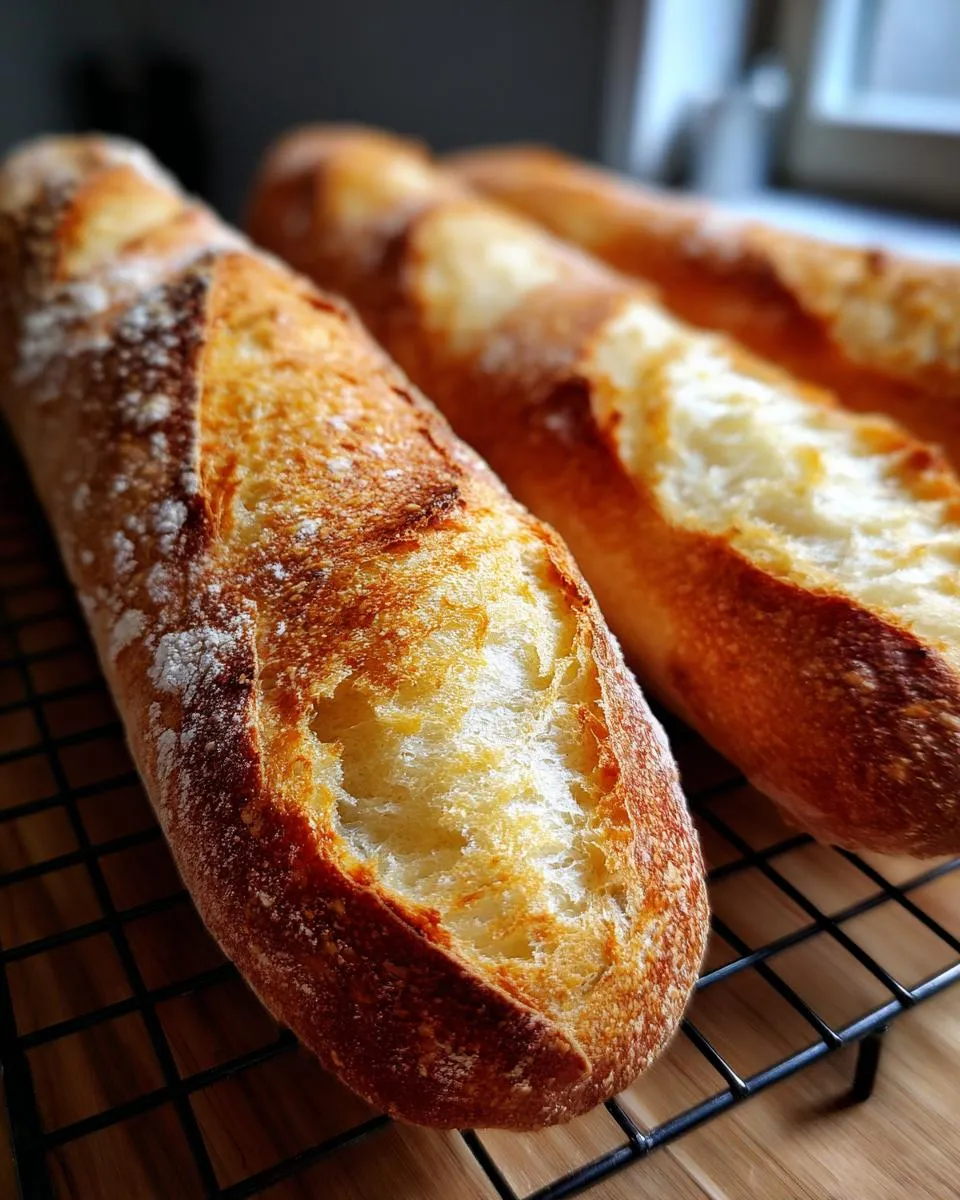
I’m Carla Davis, and I promise you that this recipe delivers absolutely bakery style bread results reliably. This is a quick, easy, and completely beginner-friendly recipe that gets you that incredible crackly crust and super soft, fluffy interior in under two hours total. I’ve tested this dozens of times, just for you, so you can skip the stress and jump straight to the delicious part!
- Why This Is the Best Quick and Easy french bread Recipe
- Ingredients for Perfect Homemade french bread Recipe
- Essential Equipment for Crusty french bread
- How to Make french bread: Step-by-Step Instructions
- Tips for Success: Achieving Artisan Bread at Home
- Storage and Reheating Instructions for your french bread
- Serving Suggestions for this Simple Yeast Bread
- Frequently Asked Questions about Homemade french bread
- Recipe Nutrition Estimate
Why This Is the Best Quick and Easy french bread Recipe
I know what you’re thinking: “Real French bread takes hours and complicated steps.” Nope! Not around here. I developed this recipe specifically because I needed that warm, crusty goodness without dedicating my entire Saturday to the oven. This process is streamlined, I promise it is!
- It gives you that textbook crumb—super soft fluffy bread inside that practically melts when you slice it.
- You get two beautiful loaves ready to eat in less than two hours! Hello, 90 minute french bread accomplishment!
- It uses simple pantry ingredients, so no specialty store trips are required.
If you love baking fresh loaves but don’t have the patience for multi-day fermentation projects, this recipe is your new best friend. You can find the details for my Cinnamon Swirl Apple Bread right here on the blog if you need another quick fix!
Bakery Style Bread Achieved Fast
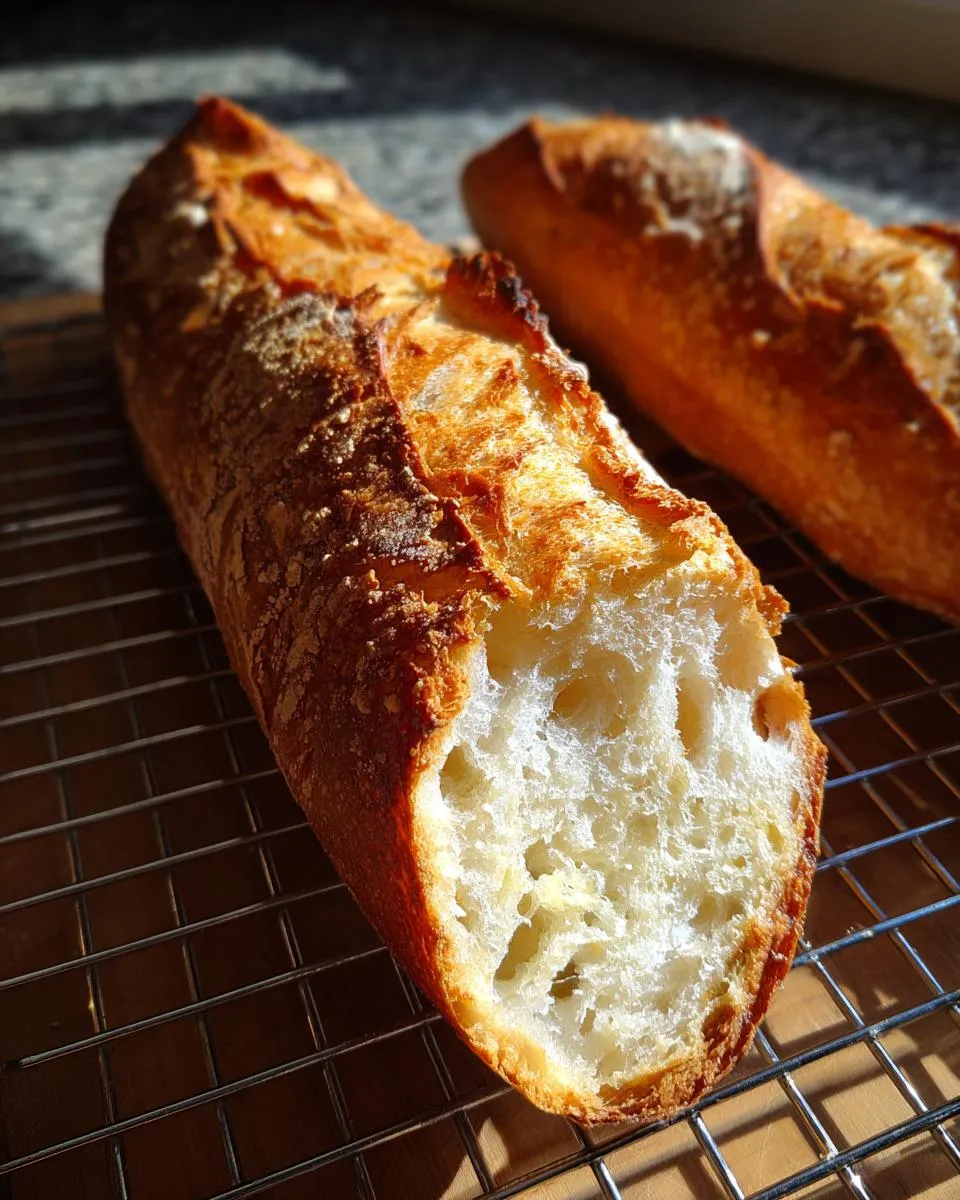
Who doesn’t want that perfect shattering crust? That’s the hallmark of great artisan bread, and we get it here without the long wait. The secret is our intense oven temperature combined with that quick burst of steam we add right at the beginning of baking. You get professional, crackly results in about 25 minutes of oven time, making this a fantastic quick bread recipe for any night of the week.
Perfect for the Beginner Bread Making Enthusiast
If you’ve never worked with yeast before, start right here. I’ve laid out every step so there’s no guesswork. There’s no fancy pre-ferment or awkward shaping techniques needed. This is a forgiving, straightforward dough mixing process. It’s truly my go-to simple yeast bread recipe for welcoming new bakers into the fold because failure just isn’t an option with these measurements!
Ingredients for Perfect Homemade french bread Recipe
Okay, let’s talk about what you need to pull these beautiful loaves together. The best part about this recipe is that you probably have most of this stuff sitting in your pantry already! I always keep a fresh supply of quality all-purpose flour because it works so wonderfully for this style of bread. Don’t skimp on the yeast; using fresh, active dry yeast is super important here, as it’s key to our quick rise time.
You’ll need these exact components to make two amazing loaves:
- 1 1/2 cups warm water (Make sure it’s between 105-115°F—not too hot, or it kills the yeast!)
- 2 1/4 teaspoons active dry yeast
- 1 teaspoon granulated sugar
- 3 1/2 cups all-purpose flour, plus more for dusting
- 1 1/2 teaspoons salt
- 1 tablespoon olive oil, plus more for greasing
If you’re planning a party later, check out my recipe for Frozen Strawberry Daiquiris—it’s way easier than it looks!
Essential Equipment for Crusty french bread
While I love that this recipe sticks to simple ingredients, having the right tools makes the process feel so much smoother. You don’t need a stand mixer, but having a sturdy bowl for mixing the initial dough is a must. Since we are aiming for that authentic bakery look and texture, a few specific things will really help you succeed.
Here is what you’ll want ready before you start mixing:
- A large mixing bowl, maybe even a stand mixer if you have one!
- A good quality baking sheet.
- Parchment paper—this is a lifesaver for easy cleanup and transfer!
- A sharp knife or, even better for those perfect cuts, a razor blade (often called a lame) for scoring the loaves before baking. Trust me, a sharp blade gives you that beautiful ear on the crust.
- A small, shallow metal pan that can safely go on the bottom rack of your oven for making steam.
Speaking of crispy things, you absolutely have to try my recipe for Crispy Sweet Potato Chips when you have extra potatoes lying around!
How to Make french bread: Step-by-Step Instructions
Now for the fun part—turning those simple ingredients into real, honest-to-goodness loaves! Learning how to make french bread at home is easier than you think when you follow these steps precisely. The timing here is really important, especially for that fluffy middle. Don’t worry, I’ll walk you through every stage from the initial shaggy mix to the final scoring.
Activating the Yeast and Mixing the french bread Dough
First things first: we wake up the yeast. Pour your warm water into a bowl—and listen to me, it must be warm, but not hot! If it’s too hot, you’ll kill the yeast, and your bread won’t rise. Sprinkle the sugar and then the yeast on top and let it sit for about 5 to 10 minutes. If it gets foamy, you’re golden! That means your yeast is happy and ready to work its magic. Next, just stir in the flour, salt, and oil until you get a messy, shaggy dough. See? That was simple!
Kneading and First Rise for Soft Fluffy Bread
This is where we build structure for that beautiful, soft fluffy bread texture. Turn that shaggy mess onto your lightly floured counter and knead it for a good 5 to 7 minutes. You’re looking for it to feel smooth and elastic—it should feel slightly tacky when you touch it, but your fingers shouldn’t get gloppy with dough. Once it’s smooth, pop it into an oiled bowl, cover it up, and leave it be for a full 60 minutes to rise. You must let it double in size!
Shaping and Steaming for Crackly french bread Crust
Gently punch that dough down after the first hour and divide it into two equal pieces. Roll each piece into a long, narrow shape—think baguette style, but maybe a little thicker for home baking. Place those shaped loaves on your prepared baking sheet and let them rest for just 20 minutes. While they rest, make sure your oven and that bottom steam pan are preheated to 425°F. Right before it goes in, use a sharp blade to slash three diagonal cuts across the top. Immediately pour hot water into that bottom pan and shut the door fast! That steam is the key to that legendary, crusty french bread exterior.

If you want more easy baking tutorials, you can always check out my main blog page right here!
Tips for Success: Achieving Artisan Bread at Home
Making bread feel professional doesn’t mean you need a brick oven, honestly! It just means paying attention to a couple of subtle details during the bake. I’ve learned these tricks over years of trying to recreate that perfect European bakery loaf, and they make a huge difference in the final product. Trust me when I say these little additions turn a good loaf into a *great* loaf.
My first big tip is all about the heat and the humidity. Preheat your oven really well—don’t rush that step! That full 425°F is necessary to shock the crust into becoming crisp right away. After you place your loaves in and pour that hot water in the bottom pan for steam, here’s what you’ve got to do:
Keep the steam active for the first little while. You can do this by carefully opening the oven door (watch out for that hot steam!) about 5 minutes in and spraying the inside walls of the oven with water from a clean spray bottle. Do this two, maybe three times in the first 10 minutes of baking. It builds incredible crust!
Another piece of advice centers around the scoring, which are those slits on top. If your blade isn’t super sharp, or if you don’t slash deep enough, the bread will tear open somewhere else weird—usually near the bottom. Don’t be timid! A deep, confident slash helps the bread expand exactly where you want it to. It really is all about control and timing when taking your baking to that next level.
And hey, if you need a simple, savory snack while that bread is cooling down (which is hard, I know!), you should absolutely try my recipe for Easy Crispy Homemade Cheese Crackers. They are addictive!
Storage and Reheating Instructions for your french bread
Once the loaves have cooled completely—and I know this is the hardest part—you need to treat your french bread right so that crust stays crackly! Never put fresh bread in the refrigerator; it just makes it sad and stale faster. You want to store these loaves at room temperature in a paper bag, or loosely wrapped in a clean kitchen towel, for up to two days. This keeps the inside soft while letting the crust breathe a little.
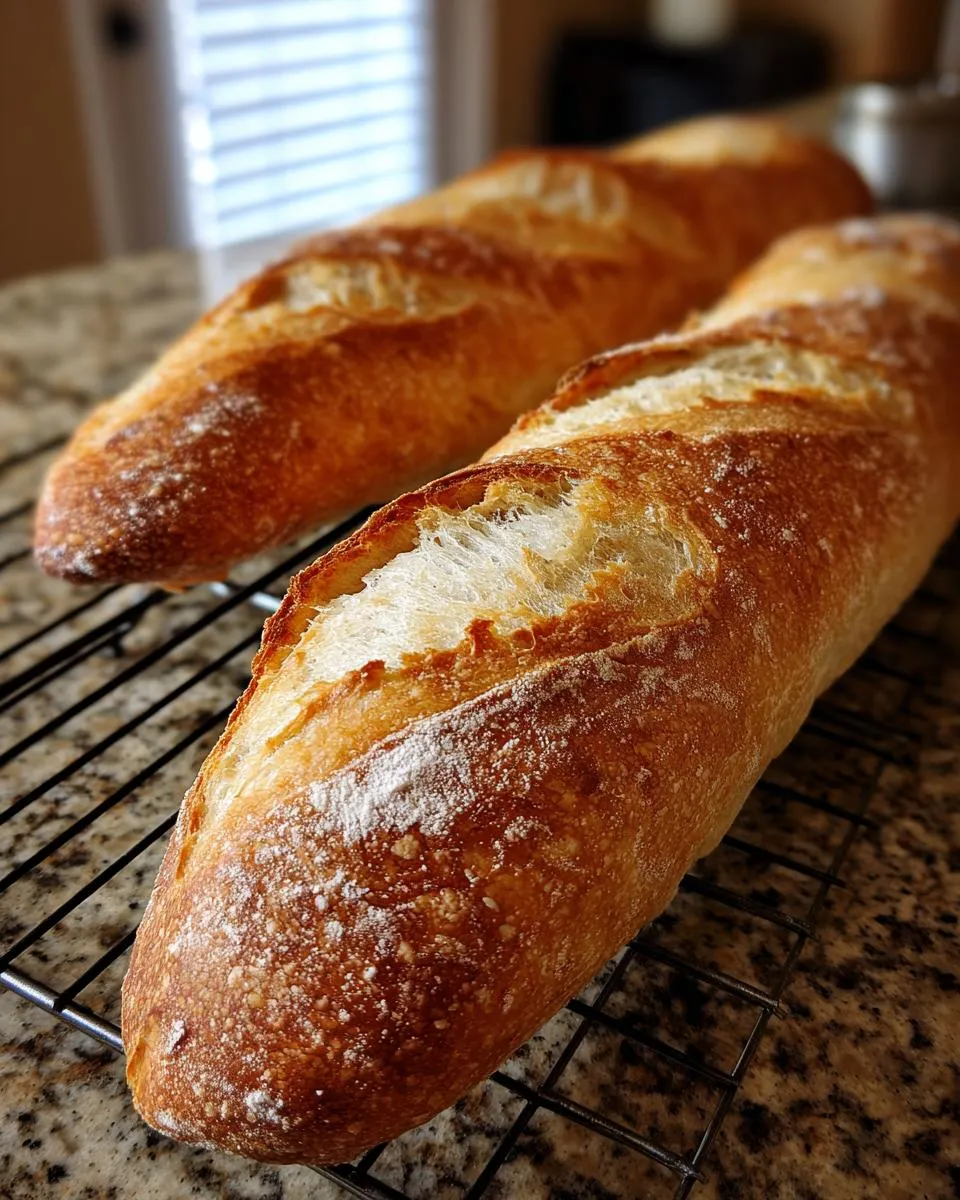
If you want to bring back that fresh-from-the-oven punch of gorgeous aroma, just pop the bread back into a 350°F oven for about five minutes. That brief blast of dry heat wakes up the crust nicely! Speaking of serving suggestions, this bread is amazing served alongside my yummy Grape Salad for a picnic!
Serving Suggestions for this Simple Yeast Bread
Honestly, making this bread means you have the perfect accompaniment for almost any meal you can think of! If you haven’t tried using this simple yeast bread to mop up every bit of broth from a hearty bowl of stew, you are missing out. It turns an ordinary weeknight dinner into something special, no fuss required.
But oh, the sandwiches! Forget those floppy store-bought slices. Slicing this loaf horizontally makes the most incredible foundation for everything from deli meats to fresh garden tomatoes. Imagine a quick BLT on this—that crust makes all the difference! I love serving it alongside my Avgolemono Soup for dinner.
Frequently Asked Questions about Homemade french bread
I get so many emails about this recipe, which just proves how much people love making their own bread! Don’t sweat it if you have questions—that just means you’re paying attention, which is the first step to becoming a great baker. It’s all about mastering the little details to get that beautiful texture.
Can I use Bread Flour instead of All-Purpose Flour in this french bread recipe?
Yes, you absolutely can! Bread flour has a higher protein content, which means it develops more gluten. If you use bread flour, you might end up with a slightly chewier loaf, which some people prefer, especially if you plan to use it for hearty sandwiches. However, this recipe was designed around all-purpose flour for that classic, lighter, soft fluffy bread texture, so stick to AP flour if you want the exact result shown here.
What is the best way to get that authentic crackly crust on my homemade french bread?
The crust is all about humidity versus heat! The number one secret is the oven steam, which we create by pouring hot water into a pan on the bottom rack just as the bread goes in. You also need a ripping hot oven—preheat to 425°F and don’t cheat it! Another thing that really helps is that optional spray I mentioned; spraying the inside walls a couple of times during the first few minutes of baking locks in the moisture externally, forcing that surface to crisp up beautifully. That’s how you get that signature crusty French bread!
If you are looking for other simple snacks, I really prefer my recipe for Crispy Oven Roasted Sweet Potatoes when I need a savory side dish!
Recipe Nutrition Estimate
I always get asked about the nutrition, especially since this is such a satisfying thing to bake right at home! Now, I’m Carla, not a certified nutritionist, so please take these numbers with a grain of salt—or maybe a grain of flour, in this case! These values are rough estimates based on the ingredients list for one serving size (which we assume is 1/10th of a loaf).
I put this together using standard online calculators, so if you make substitutions (like using whole wheat flour), the numbers will change, of course. But for those who like to keep track, here’s what the basic recipe serves up:
- Serving Size: 1/10 loaf
- Calories: 220
- Sugar: 1g
- Sodium: 300mg
- Fat: 1.5g
- Saturated Fat: 0.2g
- Unsaturated Fat: 1.3g
- Trans Fat: 0g
- Carbohydrates: 45g
- Fiber: 2g
- Protein: 7g
- Cholesterol: 0mg
It’s amazing how few calories are in a big slice of homemade bread, right? If you have any questions about the recipe technique—maybe you need help kneading or figuring out that steam pan—don’t hesitate to reach out on my contact page! I love hearing from you all.
PrintQuick and Easy Crusty Homemade French Bread Recipe

Make bakery-style French bread at home with this simple recipe. You get a crackling crust and a soft, fluffy interior in under two hours, perfect for beginners.
- Prep Time: 20 min
- Cook Time: 25 min
- Total Time: 1 hour 45 min
- Yield: 2 loaves 1x
- Category: Bread
- Method: Baking
- Cuisine: French
- Diet: Vegetarian
Ingredients
- 1 1/2 cups warm water (105-115°F)
- 2 1/4 teaspoons active dry yeast
- 1 teaspoon granulated sugar
- 3 1/2 cups all-purpose flour, plus more for dusting
- 1 1/2 teaspoons salt
- 1 tablespoon olive oil, plus more for greasing
Instructions
- In a large bowl, dissolve the sugar in the warm water. Sprinkle the yeast over the top and let it sit for 5 to 10 minutes until foamy. This shows the yeast is active.
- Add the flour, salt, and olive oil to the yeast mixture. Mix with a wooden spoon or stand mixer until a shaggy dough forms.
- Turn the dough out onto a lightly floured surface. Knead for 5 to 7 minutes until the dough is smooth and elastic. It should be slightly tacky but not sticky.
- Lightly grease a large bowl with olive oil. Place the dough in the bowl, turning to coat. Cover the bowl with plastic wrap or a clean kitchen towel. Let the dough rise in a warm place for 60 minutes, or until doubled in size.
- Gently punch down the risen dough. Divide it into two equal pieces. Shape each piece into a long, narrow loaf (a baguette shape).
- Place the shaped loaves on a baking sheet lined with parchment paper, leaving space between them. Cover loosely and let them rest for a second rise for 20 minutes.
- Preheat your oven to 425°F (220°C). Place a shallow pan on the bottom rack while the oven heats. This pan will hold water for steam.
- Just before baking, use a sharp knife or razor blade to make three diagonal slashes across the top of each loaf.
- Carefully pour 1 cup of hot water into the shallow pan on the bottom rack to create steam. Immediately place the baking sheet with the bread into the oven.
- Bake for 20 to 25 minutes, rotating the pans halfway through, until the crust is deep golden brown and the bread sounds hollow when tapped.
- Remove the bread from the oven and let it cool completely on a wire rack before slicing. Enjoy your fresh baked bread!
Notes
- For an extra crackly crust, spray the inside walls of the oven with water two or three times during the first 10 minutes of baking.
- If you do not have a stand mixer, kneading by hand for 7-10 minutes works well.
- This recipe yields two loaves, perfect for sandwiches or serving with soup.
Nutrition
- Serving Size: 1/10 loaf
- Calories: 220
- Sugar: 1
- Sodium: 300
- Fat: 1.5
- Saturated Fat: 0.2
- Unsaturated Fat: 1.3
- Trans Fat: 0
- Carbohydrates: 45
- Fiber: 2
- Protein: 7
- Cholesterol: 0