 Skip to content


Oh, friend, if you’ve ever stared sadly at a pie that was supposed to be flaky but turned out tough—I’ve been there! That’s the absolute worst, especially when you’re baking for Thanksgiving or a special celebration. Getting those stunning, tender layers just melts my heart every time. That’s why I’m sharing my secret for achieving pure pastry perfection: this ultimate, easy **butter pie crust** recipe. I’ve spent years learning from my grandmother and testing shortcuts in my own hectic kitchen, and I promise this four-ingredient base is foolproof. It’s the gold standard for homemade pie dough that flakes beautifully and tastes wonderfully rich! If you want to know more about my journey from marketing life to my happy kitchen, you can always check out my little story over on my About page.

- Why This Is the Best Butter Pie Crust Recipe You Will Ever Use
- Ingredients for Your Foolproof Butter Pie Crust
- How To Make Pie Crust with Butter: Step-by-Step Instructions
- Tips for Success with Your Tender Pie Crust
- Ingredient Notes and Substitutions for Butter Pie Crust
- Storage & Reheating Instructions for Buttery Pie Shell
- Serving Suggestions for Your Golden Pie Crust
- Frequently Asked Questions About Making a Butter Pie Crust
- Nutrition Estimate for This Baking Basics Pie Dough
Why This Is the Best Butter Pie Crust Recipe You Will Ever Use
If you’ve ever felt intimidated by pie making, stop right there! This is the best butter pie crust you’ll ever meet because it’s all about simplicity and pure flavor. We aren’t messing around with shortening or any other substitutes here. It’s just flour, salt, ice water, and glorious butter. That means your crust tastes intensely rich, making it perfect for those holiday pies everyone raves about. Honestly, if you can stir ingredients, you can master this dough!
The Secret to a Flaky Butter Pie Crust
The magic isn’t luck; it’s pure physics, learned through years of trial and error. You absolutely must keep your butter COLD—I mean fridge-cold, almost frozen! When you mix it into the flour, you want those little chunks of butter to stay intact. When that crust hits a hot oven, those butter pieces melt and create steam, which forces the layers apart. Presto! Instant flakiness! Those pea-sized pieces are the key to that tender pastry we all crave.
Versatility: Sweet Pie Crust Recipe or Savory Pie Crust Base
The best part about using only butter is how versatile this dough becomes. It’s sturdy enough to hold up a heavy apple filling or a dense quiche mixture, making it the perfect Savory Pie Crust Base. Don’t shy away from using it for a beautiful lattice top or making just one bottom shell for a classic custard pie. This recipe handles both your sweet pie crust recipe dreams and your savory needs wonderfully. It’s truly your go-to double crust pie dough.
Ingredients for Your Foolproof Butter Pie Crust
When I say this recipe is simple, I mean it! We are sticking to the basics because when you use high-quality ingredients, you don’t need fillers or crazy additions. This recipe is designed to give you that incredibly rich flavor you just can’t get from the store-bought tubs. Feel free to pin this list for later so you always have it handy for your next holiday pie crust adventure!
Remember, the quality here matters because there are only four things going into this dough:
- 2 1/2 cups all-purpose flour (Just the regular kind works great!)
- 1 teaspoon salt
- 1 cup (that’s two full sticks!) unsalted butter, which must be very cold and cubed
- 6 to 8 tablespoons ice water
That’s it! Flour, salt, cold butter, and water. Keep that butter chilly, and you are already halfway to the best flaky pie crust on the block. If you aren’t running out for a pie filling right now, know that this mixture easily yields one perfect 9-inch double crust. Perfect!
How To Make Pie Crust with Butter: Step-by-Step Instructions
Alright, let’s put this amazing butter pie crust theory into practice! This is where most folks get nervous, but trust me, keeping things cool and quick is your superpower. You’re building a foundation here, so don’t rush the process, but also don’t linger too long. We want that beautiful, flaky dough that screams homemade goodness when you pull your holiday pie out of the oven. If you’re looking for more pointers on general dough building, my section on Baking Basics Pie Dough should help you feel extra confident!
Mixing the Butter Pie Crust Dough
First up, combine your flour and salt in the bowl. Now, take those super-cold, cubed butter bits and toss them in. You need to work fast here! I prefer using a pastry blender—you can use your fingers if you’re quick and your hands aren’t too warm—to cut that butter in. Stop as soon as you see crumbs that range from sand texture to chunks the size of little peas. Those larger butter pieces are absolutely vital for flakiness! Next, slowly drizzle in 6 tablespoons of ice water while gently tossing everything with a fork. Stop mixing the second the dough starts clinging together. If it seems way too dry, add that last spoonful of water. Never, ever overmix, or you’ll end up with tough crust city—we are aiming for wonderfully tender pastry!
Chilling Your Homemade Pie Dough
Once it just comes together on the counter, quickly divide the dough in half. Gently form each half into a thick disk, wrap it tightly in plastic wrap—I mean, wrap it well!—and slide it into the fridge. This chilling time is non-negotiable. You need at least two hours, but honestly, overnight is even better for developing the structure you want in your tender pie crust. This resting period lets the gluten relax so it rolls out smoothly later on. Don’t skip this step, pinky promise!

Rolling Out the Easy Pie Pastry Recipe
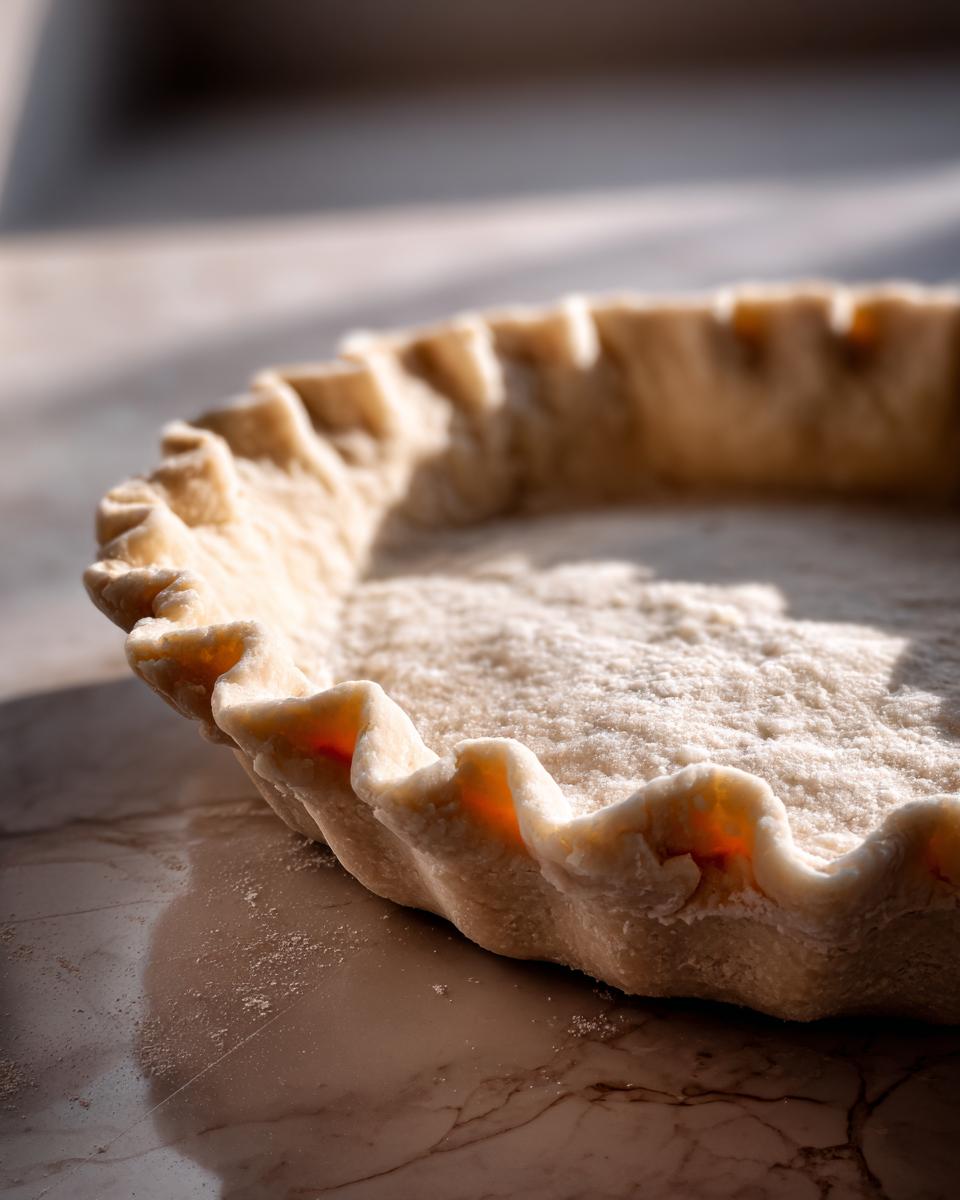
When you’re ready to roll, let the dough warm up on the counter for just 5 to 10 minutes—no longer! If it’s too stiff, it will crack when you try to move it. Dust your counter lightly with flour and get rolling! For a standard 9-inch pie, aim for about a 12-inch circle if placing it on the bottom, or a 13-inch circle if you are getting ready for a lovely top crust. Carefully drape that beautiful rolled-out dough into your pie plate. Once it’s nestled in, trim the edges and crimp them however your heart desires. Before you even think about adding filling, pop that assembled shell back into the fridge for at least 30 minutes. This final chill helps the crust keep its shape while baking. You can find some great tips on rolling techniques over at The Merchant Baker!
Tips for Success with Your Tender Pie Crust
Even with the best recipe, we sometimes need a little kitchen intervention, right? These pointers are what take my butter pie crust from good to absolutely unforgettable. First, if you are rolling out your dough and it looks like it might tear, don’t panic! Grab a tiny piece of scrap dough, smear it with a little cold water to make it sticky, and firmly press it right over the tear. It seals right up, and nobody will ever know!
When you are rolling out that second disk for a topping, rolling it between two sheets of parchment paper is my favorite hack. It prevents the dough from sticking to the counter or the rolling pin, which means you don’t have to add extra flour. Less flour means a more tender pie crust! If you want a truly golden pie crust, make sure your butter is unsalted and you chill the assembled shell right before baking. Check out Baker by Nature for more foolproof tips; their method is fantastic!

Ingredient Notes and Substitutions for Butter Pie Crust
Okay, let’s talk details, because when you have just four ingredients in your butter pie crust, those ingredients have to be the best they can be, right? This isn’t the time to use things that are ‘good enough.’ My grandmother always told me that shortcuts in foundational recipes always show up in the final taste!
The biggest rule for this specific recipe? You absolutely must use unsalted butter. Why? Because salt levels in butter vary wildly between brands, and since we are adding the salt separately (one teaspoon for flavor balance), we need total control over the sodium. Using salted butter throws off that perfect flavor profile of the homemade pie dough. Plus, we want that pure, creamy flavor shining through!
And listen to me on the water: It must be ICE water. Truly icy, maybe with a couple of ice chips floating in it. The colder the water, the colder the butter stays during mixing, and the colder the butter stays, the flakier your final product will be. It’s a hard and fast rule in my kitchen to get that tender pie crust!
Now, some people swear by using buttermilk for their pastry—and that’s totally fine if that’s your jam. A Buttermilk Pie Crust alternative can give you a lovely tang. But for that classic, rich, melt-in-your-mouth experience that sets this all butter pie crust tutorial apart, stick to the cold water and butter. Trust me, you won’t regret the buttery payoff!
Storage & Reheating Instructions for Buttery Pie Shell
Okay, so maybe you’re super smart and made a double batch of this amazing butter pie crust dough, or maybe you just didn’t have time to roll it out today. That’s totally fine! This dough keeps beautifully, which is such a great bonus when you’re trying to stay ahead of holiday baking chaos.
The best way to store your dough is right away. Once you’ve made those two disks and wrapped them tightly in plastic wrap, tuck them into the refrigerator. They can hang out in there happily for up to two days. This is perfect for prepping ahead for a weekend pie project! Don’t let it sit out on the counter for more than 15 minutes before wrapping, or the butter starts to get too soft.
If you are planning way ahead—and who isn’t during the holidays?—you can definitely freeze this homemade pie dough! After you wrap the disks snugly in plastic, wrap them again lightly in foil or put them into a freezer bag. They keep wonderfully for up to three months. Just make sure you use the same slow thawing process: move that wrapped dough from the freezer straight into the fridge overnight. Never try to rush thawing it on the counter, or you’ll melt those beautiful butter pockets before rolling!
When you’re ready to roll the chilled dough (whether it rested for two hours or overnight), treat it exactly as the recipe says: let it sit on the counter for just 5 to 10 minutes until it’s pliable enough to roll. This flexibility is key to keeping your buttery pie shell intact.
Serving Suggestions for Your Golden Pie Crust
Now that you have this beautiful, from scratch pie crust, the real fun begins—deciding what amazing thing to bake in it! Because this butter pie crust has such a rich, pure flavor profile, it honestly elevates almost any filling you can dream up. It’s the perfect canvas, whether you’re going sweet or savory!
For all my sweet bakers out there, this crust gives you the most incredible texture when paired with fillings that bake slightly wet, like a classic apple crumble or a deep pecan filling. The buttery bottom stays crisp while the heat gets the fruit underneath tender. It’s just divine. If you need a fantastic, classic filling recipe to test out your new skills, you have to try my Classic Old-Fashioned Custard Pie—it sets perfectly in this shell!

Savory Applications: The Perfect Quiche Base
Don’t forget how well this works for dinner! If you’re making a quiche or a savory galette, the all-butter nature provides just the right amount of richness without smelling overly sweet. This Savory Pie Crust Base is sturdy enough to handle eggs, cheese, and heavy vegetables. Since this dough doesn’t rely on shortening, the flavor stays clean and complements sharp cheeses beautifully. It really shines in pot pies too, offering a flaky, almost shortbread-like texture on top that crisps up wonderfully.
For the Single Crust Pie Recipe Lover
If you are only using this for a bottom shell—maybe for a no-bake filling that sets up in the fridge, like a lemon icebox pie—I highly recommend blind baking it first. You want that beautiful golden pie crust color before you add your delicate filling. Just prick the bottom all over with a fork, line it with parchment, fill it with pie weights or dried beans, and bake it until it’s just lightly golden. That final baked shell is always so flaky and tender!
Frequently Asked Questions About Making a Butter Pie Crust
I totally get it; sometimes baking just brings up questions! I’ve gathered the most common things folks ask me when they are trying to master their butter pie crust for the first time. Don’t worry if you run into a little snag—we can usually fix it together, or at least learn something for next time! If you’re looking for some small bites to snack on while you bake, check out some appetizer ideas over on my Appetizers & Snacks page!
Can I use shortening instead of butter for this Easy Pie Pastry Recipe?
Listen, if you’re just looking for *a* crust, shortening works fine—it gives you that crumbly texture. But if you want the *best* crust, one that tastes rich and melts in your mouth, you have to stick with butter. This entire Easy Pie Pastry Recipe is built around the clean, unparalleled flavor of all butter. Shortening is flavorless fat, designed just for flakiness, but butter brings that gorgeous, golden flavor we are aiming for. For this recipe specifically, keep the butter! It’s the star!
My butter pie crust dough is tough. What went wrong?
Ugh, tough dough is the pits! Usually, that happens for one of two reasons: either you overworked it on the counter, or the butter melted before it hit the oven. If it’s tough *before* you roll it, stick it back in the fridge for another hour. Seriously, cold is your friend. If you’ve already rolled it out but it’s resisting and cracking everywhere—that means it’s too cold, not tough yet! Let it sit on the counter for 10 more minutes. If it’s tough *after* it bakes, meaning it’s chewy instead of flaky, then yes, sadly, the gluten developed too much during mixing. Next time, work faster and keep that butter colder! For troubleshooting ideas on crusts, I always look at what others are doing, like the great troubleshooting tips over at Hostess at Heart.
Does this recipe work for a blind-baked shell? Absolutely! It browns up beautifully, giving you a wonderful Golden Pie Crust that’s ready for any filling. Just make sure to poke it with a fork all over before you bake it blind!
Nutrition Estimate for This Baking Basics Pie Dough
I always try to keep things clear in the kitchen, and that certainly goes for what we’re feeding our families! While I bake with love and intuition, I rely on standard calculations for the nutritional breakdown of this **Butter Pie Crust**. Remember, these numbers are just an estimate based on the standard ingredients listed, and your final macros will shift depending on exactly what brand of butter or flour you use on any given day.
This estimate breaks down the entire double crust into eight normal slices. If you’re making a single crust pie or cutting it into more (or fewer!) slices, you’ll need to adjust the math yourself. It’s a good baseline for a rich, homemade **Baking Basics Pie Dough**!
- Serving Size: 1/8 of crust (This is for one half of the double batch)
- Calories: 250
- Fat: 16g (That’s the butter doing some heavy lifting, as it should!)
- Saturated Fat: 10g
- Trans Fat: 0.3g
- Cholesterol: 50mg
- Carbohydrates: 23g
- Sugar: 0.1g (See? Naturally low!)
- Protein: 4g
- Sodium: 150mg
Because we use unsalted butter and only a little salt, the sodium stays low, which is great news when you’re pairing this with a salty ham and cheese quiche filling! Enjoy that rich, **Buttery Pie Shell** knowing you controlled every single ingredient that went into it. That’s the joy of baking from scratch, right?
PrintThe Ultimate Flaky All-Butter Pie Crust: Easy 4-Ingredient Recipe for Perfect Sweet & Savory Pies

Learn how to make a consistently flaky and tender all-butter pie crust from scratch. This simple recipe uses only four ingredients and is perfect for beginners making any sweet or savory pie.
- Prep Time: 20 min
- Cook Time: 0 min (baking time depends on the pie filling)
- Total Time: 2 hours 20 min (includes chilling)
- Yield: One 9-inch double crust 1x
- Category: Baking Base
- Method: Pastry Making
- Cuisine: American
- Diet: Vegetarian
Ingredients
- 2 1/2 cups all-purpose flour
- 1 teaspoon salt
- 1 cup (2 sticks) unsalted butter, very cold and cubed
- 6 to 8 tablespoons ice water
Instructions
- In a large bowl, whisk together the flour and salt.
- Add the very cold, cubed butter to the flour mixture. Use a pastry blender or your fingers to cut the butter into the flour until the mixture resembles coarse crumbs with some pea-sized pieces of butter remaining. Keep the butter cold.
- Sprinkle 6 tablespoons of ice water over the mixture. Gently mix with a fork until the dough just begins to come together. If the dough is too dry, add the remaining water one tablespoon at a time. Do not overmix.
- Turn the dough out onto a lightly floured surface. Quickly gather the dough into a ball. Divide the dough in half, flatten each half into a disk about 1 inch thick, wrap tightly in plastic wrap, and chill in the refrigerator for at least 2 hours, or up to 2 days.
- When ready to use, let the chilled dough sit at room temperature for 5 to 10 minutes to soften slightly.
- On a lightly floured surface, roll out one disk into a 12-inch circle for a single crust or a 13-inch circle for a double crust.
- Carefully transfer the dough to your pie plate. Trim and crimp the edges as desired. If using for a double crust, place the filling in the bottom crust before topping with the second rolled-out circle.
- Chill the assembled pie shell for 30 minutes before baking to help maintain flakiness.
Notes
- For the flakiest results, keep your butter and water as cold as possible throughout the mixing process.
- If you are making a double crust, place the second disk of dough between two sheets of parchment paper to roll it out easily.
- This dough works well for both sweet pies (like apple or pumpkin) and savory pies (like quiche).
- If the dough tears while transferring, patch it immediately with a small piece of scrap dough.
Nutrition
- Serving Size: 1/8 of crust
- Calories: 250
- Sugar: 0.1
- Sodium: 150
- Fat: 16
- Saturated Fat: 10
- Unsaturated Fat: 6
- Trans Fat: 0.3
- Carbohydrates: 23
- Fiber: 1
- Protein: 4
- Cholesterol: 50