 Skip to content


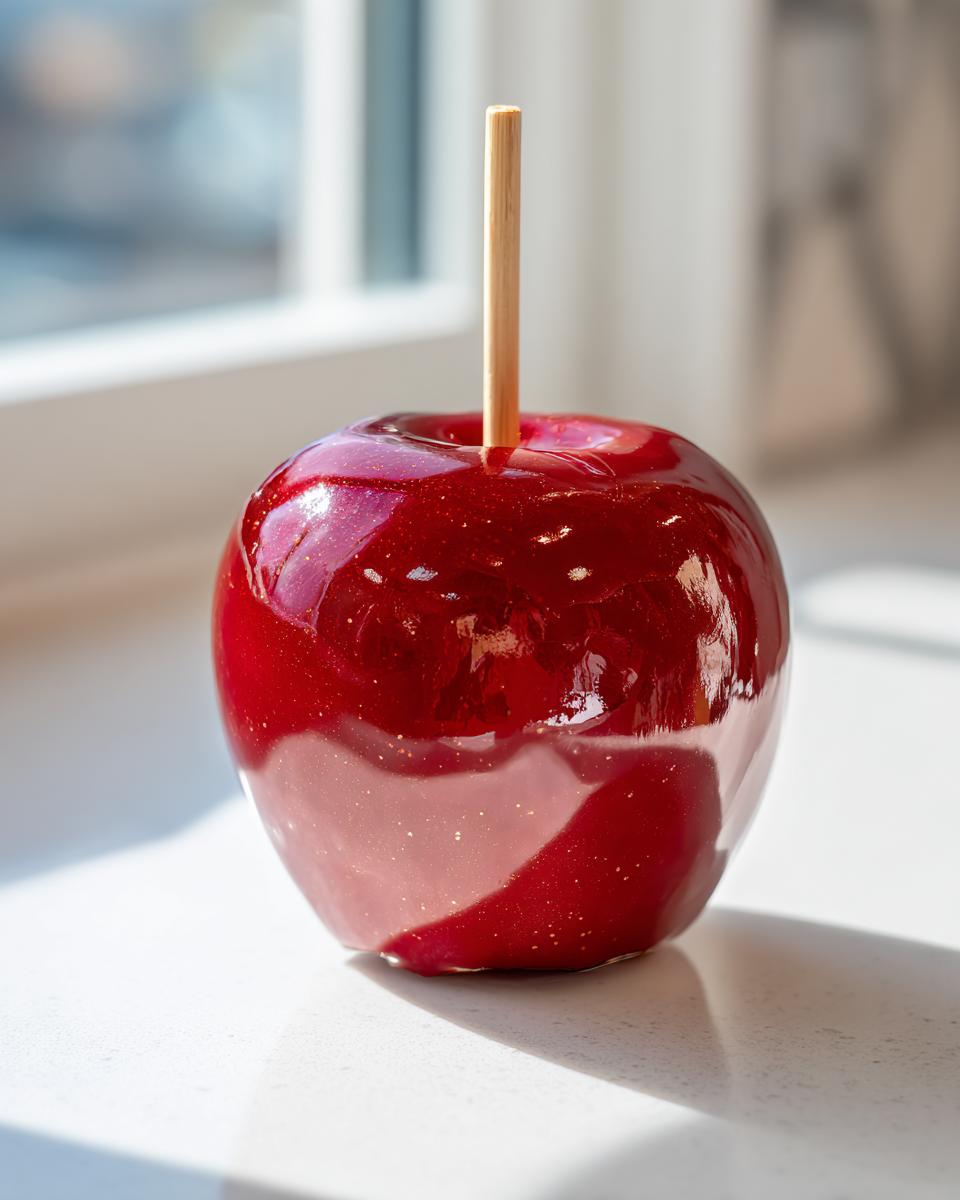
Oh, those gorgeous, glossy red treats! Walking through a carnival or seeing a display of homemade candy apples instantly takes me right back to my grandmother’s kitchen during the autumn rush. There’s just something so magical about that perfectly crackly, shimmering shell hugging a tart Granny Smith apple. But you know what’s not magical? When your beautiful candy coating turns sticky or, worse, fills up with tiny little bubbles! That’s why I spent ages perfecting this formula. I’m calling it ‘The Best Shiny Classic Red Candy Apples’ recipe, and trust me when I say, we nailed the no-bubble finish. These are the showstoppers I bring to every family gathering because they look professional but use such simple ingredients. Get your thermometer ready; we’re making the perfect batch today!

- Why This Easy Candy Apple Recipe Works Every Time
- Gathering Your Ingredients for Perfect Candy Apples
- Step-by-Step Instructions for Homemade Candy Apples
- Tips for Perfect Candy Apples: Avoiding Common Pitfalls
- Making Colored Candy Apples Tutorial and Variations
- Serving Suggestions for Party Apple Treats
- Storage and Reheating Instructions for Candy Apples
- Frequently Asked Questions About Making Candy Apples
- Share Your Classic Red Candy Apples Creations
Why This Easy Candy Apple Recipe Works Every Time
When it comes to making stunning candy apples, people often get scared off thinking they need a commercial setup, but this recipe is designed to be foolproof for home cooks! We focus on getting that high-gloss finish without any crystallization or those annoying tiny air pockets that plague beginners.
My secret weapon, besides patience, is sticking to Granny Smith apples. Their sharp tartness cuts right through the extreme sweetness of the candy, giving you that perfect sweet-and-sour bite every time. You absolutely need a reliable candy thermometer, but if you follow these measurements, you’ll have a no-fail batch ready for dipping.
The Secret to a Shiny Candy Apple Coating
The reason this coating stays so wonderfully glossy, almost like polished glass, is the light corn syrup, folks. Sugar, when cooked alone, loves to crystallize and get grainy fast. But when you add corn syrup to the sugar and water mix, it acts like a stabilizer. It keeps those sugar molecules in line, making sure the candy stays perfectly smooth and non-grainy, even after it cools down completely.
Gathering Your Ingredients for Perfect Candy Apples
Before we get to the hot syrup stage, gathering everything beforehand is key—we call this setting up your station! Remember, speed is everything when the candy is ready, so don’t try to chop anything while the pot is on the heat. We need six medium Granny Smith apples, and they must be bone dry before they see the sugar bath. For the coating itself, we’re using two cups of plain granulated sugar and a cup of light corn syrup. That syrup is crucial, by the way!
For that classic bright red look, you’ll need one teaspoon of red food coloring—and please, use gel coloring if you have it! It gives such a deep, vibrant color without thinning out your beautiful syrup. I also sneak in half a teaspoon of cinnamon extract because it just smells like fall when it simmers. These simple ingredients create the best candy apples!
Ingredient Notes and Substitutions
Okay, let’s talk apples. You really can’t substitute Granny Smiths here. Their firmness and tartness hold up perfectly against the extremely sweet candy coating. If you use something softer, you end up with a mushy core, and that’s just sad.
Also, a quick word on the color: liquid food coloring can sometimes throw off the delicate balance needed to reach that perfect Hard Crack stage. Gel coloring dissolves beautifully and gives you that deep, intense red that screams ‘carnival treat.’ If you don’t like cinnamon flavor, feel free to skip the extract, but I promise you, that little hint of spice elevates the whole snack!
Step-by-Step Instructions for Homemade Candy Apples
This is where the magic happens, but you need to be quick and focused! Once the candy hits the right temperature, you only have a minute or two to coat all your apples before the syrup gets too thick. Lay out your parchment paper right now, and make sure your sticks are firmly in the apples because timing is everything when making these gorgeous candy apples.
First, we mix our sugar, corn syrup, and water in that heavy saucepan. Stir it gently over medium heat until everything is totally dissolved—you shouldn’t feel any grit on the bottom of the pan when you tilt it. Then, you stop stirring! I mean it—take your hands off the spoon! Insert that candy thermometer, turn up the heat, and let it climb its way to 300 degrees Fahrenheit. That’s the Hard Crack Stage, and it’s non-negotiable for that shatteringly crisp coating we want.
Once you pull it off the heat, wait one minute for the big bubbles to calm down, then gently mix in your color and optional cinnamon extract. Remember, gentle stirring prevents bubbles! You absolutely need a reliable thermometer, but knowing when and how to add color is just as important as the temperature—it’s almost as delicate as handling royal icing if you aren’t careful!
Apple Preparation: The Crucial Drying Step
Listen up, because this tiny step is maybe the most important part of the whole process. Do not skip washing and drying your apples until they are absolutely, completely dry. I mean, pat them down with paper towels until your knuckles are practically raw! If there is even one single drop of water left on the skin, that moisture will hit the hot sugar syrup and cause separation or make the coating sticky and soft.
You need to remove the waxy stem entirely first, and then shove your wooden stick right into the middle until it feels completely stable. It should feel secure enough that you can lift the apple just by holding the stick—that’s how you know the apple is ready for its candy bath!
Reaching Hard Crack Stage for Candy Apples
Once the syrup is boiling, you must stop stirring it. Seriously, don’t touch it! Stirring at this point introduces air, which creates those awful bubbles, and we are striving for supreme smoothness here. You are just waiting for that candy thermometer to hit 300 degrees F. This might take 15 to 20 minutes, depending on your stove, so just watch it carefully.
When that little needle hits the 300 mark, immediately yank the pot off the heat! Let it sit for about 60 seconds so the rowdy, big bubbles settle down. This small rest prevents huge air pockets from freezing into your coating. Then, and only then, can you gently stir in your red coloring and extract if you are using it. We want no streaks and no bubbles; just smooth, hot, vibrant candy!

Tips for Perfect Candy Apples: Avoiding Common Pitfalls
Even with the very best recipe in hand, sometimes things happen when you’re working with boiling sugar. Don’t panic if your beautiful candy apples aren’t perfect right out of the pot! Troubleshooting is part of the fun of learning any new technique. I’ve learned these tricks over years of trial and error, so you don’t have to mess up as many batches as I did when I first started making these appetizers and snacks!
Here are the things I always check if my coating isn’t behaving:
- If the candy starts to feel thick and gloppy while you’re dipping but hasn’t cooled down yet, just return the pan to very low heat for sixty seconds. You’re just warming it enough to thin it out slightly—do *not* let it boil again!
- If you see those awful little bubbles forming on the surface while the syrup is cooking, don’t stir! Instead, grab a clean metal spoon and gently skim them right off the top. This is much safer than whipping air into the batch.
- Remember that stickiness usually means you didn’t quite hit the 300-degree mark. If the coating won’t harden when cooled, the sugar molecules didn’t link up correctly. Keep that thermometer handy next time!
Making Colored Candy Apples Tutorial and Variations
Now that you’ve mastered the classic bright red look for your candy apples, you might be thinking about making a whole rainbow! It’s super fun to switch up the colors for different parties or holidays. You can absolutely make blue ones for a summer bash or even green ones for Halloween.
The trick here is using those deeply pigmented gel colors. When the syrup is off the heat and resting for that minute, gently stir in your new color until it’s uniform. Don’t aggressively mix! Just fold it in carefully so you don’t beat air back into that beautiful, smooth coating. If you want flavor variations, like that fun Jolly Rancher taste, you can look into recipes that crush hard candies into the mix, or simply find extracts that mimic those fruity flavors, like the cinnamon extract we used here. You can find some really creative options out there, like this neat idea for making glittery versions!

If you’re looking for more sweet ideas to go right alongside these wonderful treats, you might want to check out my recipe for chocolate cinnamon rolls—talk about an indulgent pairing! Don’t forget that after you dip, you can sprinkle on some edible glitter or crushed sprinkles before the candy sets. It makes everything look instantly gourmet, but remember, you have to apply those decorations before they hit the wax paper!
Serving Suggestions for Party Apple Treats
Once you’ve achieved that perfect glossy coat on your candy apples, figuring out how to show them off is half the fun! Because they look so striking, they actually serve as fantastic centerpieces for a fall dessert table. Imagine a platter full of these deep red beauties next to a slice of my sour cream coffee cake—talk about tempting!
For Halloween or birthday parties, don’t be shy with the decorations! While they are cooling, a quick roll in some edible gold glitter or rainbow sprinkles makes them instantly festive. They are perfect little grab-and-go party favors, too. Honestly, these simple candied apples disappear almost immediately at any gathering I bring them to!

Storage and Reheating Instructions for Candy Apples
Okay, you’ve made these gorgeous, shatteringly crisp treats, and now you’re wondering how to keep them perfect until the party starts—or maybe you have leftovers (lucky you!). The biggest mistake people make when storing these is thinking they should go into the refrigerator. Don’t do it! Seriously, resist that urge.
Refrigeration causes major condensation when you take them out, and condensation is what turns your perfect shiny coating soft and gooey. Instead, you want to keep your finished apples at cool room temperature—somewhere protected from direct sunlight in your pantry or on the counter.
If you’ve followed the instructions and reached that true Hard Crack Stage, these simple candied apples will last beautifully for two to three days. If you wrapped them individually in cellophane bags *right* after they cooled completely, they stay protected from the air and hold that crunch wonderfully. If you need to reheat them, which I rarely do since they are best served cool or room temp, you can briefly warm the pan back up to about 260 degrees F, but generally, just let them sit out for a few minutes if they feel slightly stiff.
Frequently Asked Questions About Making Candy Apples
When readers try making these delightful candy apples at home, they usually have a few quick questions about temperature or texture, and that’s totally normal! Sugar work involves some definite chemistry, but once you know the rules, it’s so forgiving. I’ve gathered the most frequent concerns from folks who have used this recipe before so you can feel confident walking into the kitchen. If you’re worried about timing, remember that most of my favorite weeknight dinners rely on simple timing, too!
Why are my homemade candy apples turning sticky?
This is usually a temperature issue, hands down. If your coating is sticky, it means the sugar didn’t quite reach the Hard Crack Stage, which is 300 degrees F. If it cools just below that point, it stays soft and tacky instead of hardening quickly. High humidity in your kitchen can also be a culprit or letting the apples sit out too long before the candy has cooled completely. Make sure your thermometer is accurate!
Can I use caramel instead of hard candy for these candy apples?
That’s a great question! You absolutely can make caramel apples, but they use a completely different process. This recipe is for the classic, glossy, shatteringly brittle coating that cracks when you bite it—that’s the hard candy. Caramel uses higher amounts of dairy (like cream or butter) cooked only to the Soft Ball stage, which keeps it chewy. They are both delicious, but they aren’t interchangeable in this setup!
What’s the best way to get the stickiness off my pan?
Don’t try scrubbing that hardened sugar—you’ll scratch your pan! The best way to clean up after making your classic red candy apples is to just put the saucepan back on the stove with a few inches of water and bring it to a boil. The sugar will dissolve right away. Super easy cleanup, I promise!
Do I have to use Granny Smith apples for the best result?
While you could technically use any firm apple, if you are asking for the *best* homemade candy apples, I insist on Granny Smiths. Their sharpness is essential to balance that immense sweetness. If you use a sweeter apple, the whole thing can become cloyingly sweet very fast. You want that tart snap!
Share Your Classic Red Candy Apples Creations
Now it’s your turn! I truly hope this guide helps you achieve the shiniest, crackliest candy apples you’ve ever made at home. When you try this recipe, please hop down below and let me know how your dipping went! Did you manage to keep it bubble-free? I’d love to see your gorgeous results—you can send pics my way via my contact page. Happy baking!
PrintThe Best Shiny Classic Red Candy Apples: No Bubble Recipe

Learn how to make classic red candy apples with a perfectly smooth, shiny coating. This easy homemade candy apple recipe is perfect for fall, Halloween, or any party treat.
- Prep Time: 15 min
- Cook Time: 20 min
- Total Time: 35 min
- Yield: 6 servings 1x
- Category: Dessert
- Method: Stovetop Cooking
- Cuisine: American
- Diet: Vegetarian
Ingredients
- 6 medium Granny Smith apples, washed and dried thoroughly
- 6 wooden or paper lollipop sticks
- 2 cups granulated sugar
- 1 cup light corn syrup
- 1/2 cup water
- 1 teaspoon red food coloring (gel preferred for deep color)
- 1/2 teaspoon cinnamon extract (optional, for flavor)
Instructions
- Prepare the apples: Remove the stems from the apples. Insert a wooden stick firmly into the center of each apple, pushing it about halfway through. Set the apples aside on a parchment-lined baking sheet.
- Combine sugar, corn syrup, and water in a medium, heavy-bottomed saucepan. Stir the mixture over medium heat until the sugar dissolves completely. Do not let the mixture boil yet.
- Stop stirring once the mixture begins to boil. Insert a candy thermometer into the side of the pan, making sure it does not touch the bottom.
- Cook the syrup without stirring until it reaches 300 degrees Fahrenheit (Hard Crack Stage). This usually takes about 15 to 20 minutes. Watch the temperature closely.
- Remove the saucepan from the heat immediately when it reaches 300 degrees F. Wait about one minute for the large bubbles to subside.
- Carefully stir in the red food coloring and cinnamon extract, if using. Stir gently just until the color is uniform. Stirring too much causes bubbles.
- Working quickly, tilt the saucepan slightly. Dip each apple into the hot syrup, rotating it to coat completely. Lift the apple out and immediately turn it upright, allowing excess syrup to drip back into the pan.
- Place the coated apples back onto the parchment-lined baking sheet. Let the candy apples cool completely and harden, about 30 minutes, before serving.
Notes
- Drying the apples completely is the most important step to prevent the candy from becoming sticky or separating. Pat them dry several times.
- To prevent bubbles, avoid stirring the syrup once it starts boiling. If small bubbles form, you can gently skim them off the top with a metal spoon just before dipping.
- If the coating thickens too much while dipping, return the pan to low heat for a minute to thin it slightly, but do not let it boil again.
Nutrition
- Serving Size: 1 apple
- Calories: 350
- Sugar: 85
- Sodium: 1
- Fat: 0
- Saturated Fat: 0
- Unsaturated Fat: 0
- Trans Fat: 0
- Carbohydrates: 90
- Fiber: 1
- Protein: 0
- Cholesterol: 0